Russia deploys new drone with LTE connectivity and remote control capability
The UAV can be used as a reconnaissance or strike drone, as well as a decoy target to overload Ukrainian air defenses.


The UAV can be used as a reconnaissance or strike drone, as well as a decoy target to overload Ukrainian air defenses.
The UAV can be used as a reconnaissance or strike drone, as well as a decoy target to overload Ukrainian air defenses.
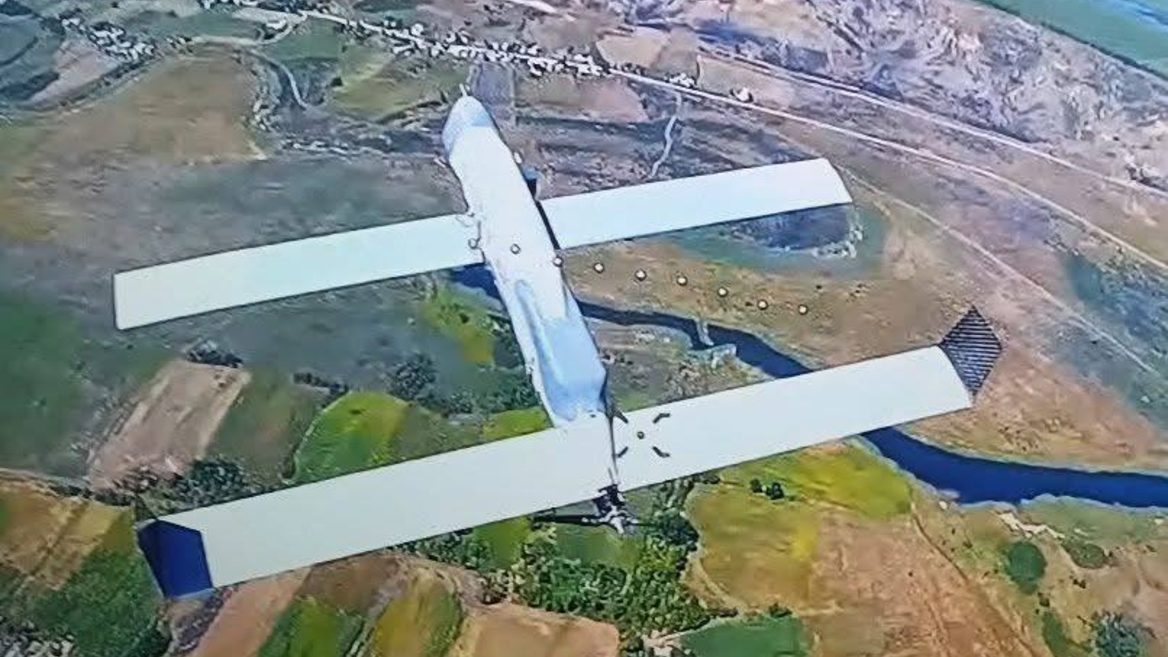
The Ministry of Defense of Ukraine published on the War&Sanctions portal a 3D model, components and parts of a new drone, which the aggressor country is actively using on various fronts.
The UAV has a camera and two LTE modems that allow it to transmit video in real time or in recording via mobile base stations, as well as receive commands for course correction.
In the strike version of the drone, the camera (subject to changing the viewing angle) and remote control can be used to guide the operator to the target using the FPV principle.
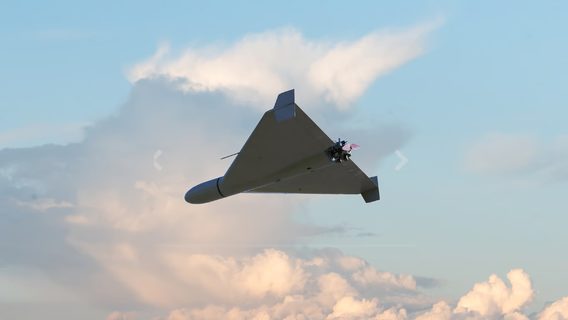
Structurally, the drone has a delta-wing fuselage similar to the Shahed-131, but slightly smaller. A jamming-resistant satellite positioning system with four patch antennas and Chinese Allystar modules is responsible for the navigation component.
Almost 50% of the drone’s components are manufactured in the People’s Republic of China, including: communication modules, minicomputer, power regulator, and quartz oscillator.
A DLE engine is installed in the nose of the fuselage, making the drone most similar to the Italmas loitering munition produced by the Russian Zala Group.
The GUR claims that the drone can be used as a reconnaissance or strike drone, as well as a false target to overload Ukrainian air defenses.
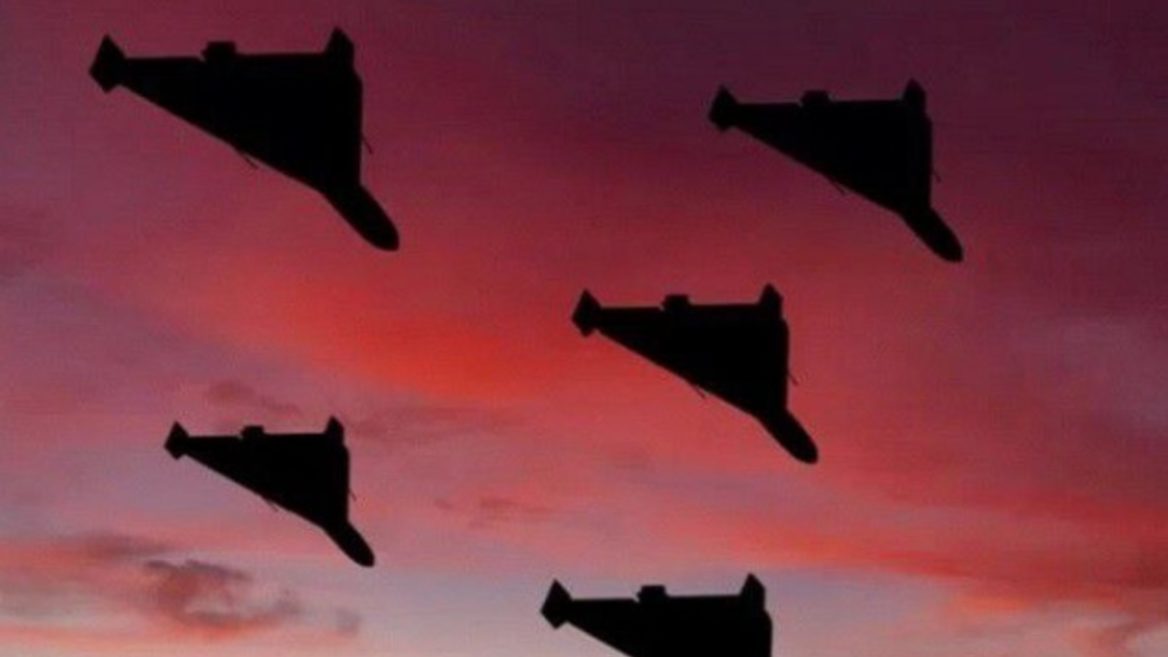
Earlier, Deputy Head of the Main Intelligence Directorate of the Ministry of Defense of Ukraine, Major General Vadim Skibitsky, reported that Russia plans to produce 79,000 Shahed UAVs by the end of this year.