Хочете будувати кар’єру в Data Science та AI? Vodafone Big Data Lab відкриває новий набір —>
Nataliia KhandusenkoHot News
17 November 2026, 11:00
2026-11-17
Zoom, Salesforce, IKEA, and dozens of other companies' websites hacked to steal cryptocurrency and attack iPhones
Several of the world's most visited websites — including Zoom, HSBC, Equifax, CNN, Salesforce, and IKEA — have been compromised to steal cryptocurrency and infect iPhones.
Several of the world's most visited websites — including Zoom, HSBC, Equifax, CNN, Salesforce, and IKEA — have been compromised to steal cryptocurrency and infect iPhones.
This was reported by cybersecurity researcher Scott Helm, Reuters reports .
According to the expert, malicious JavaScript code was distributed among website visitors of 178 organizations from various sectors through the website optimization platform Optimizely.
What were the viral scripts aimed at:
substitution of crypto wallet addresses for attackers' accounts during payment;
interception of bank card data (skimming) at the moment of their entry by users;
stealing cookies and screenshots;
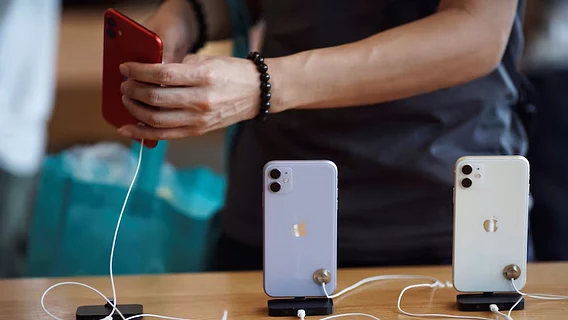
installing exploits on iOS devices.
Cybersecurity firm HudsonRock confirmed that it had also found evidence of malicious code being downloaded onto the devices of visitors to the sites, but Reuters said it was not yet possible to determine exactly how successful the attacks were or the extent of the possible breaches.
Reaction of companies
Some of the companies mentioned in the report have already responded to the incident. Salesforce announced an investigation into unauthorized changes to Optimizely scripts and said it had proactively disabled them. Equifax stopped using Optimizely and found no signs of compromise of its own systems. IKEA said it was investigating whether the incident could have affected its digital services and customers.
The Optimizely platform itself, as well as Apple, Zoom, HSBC, and CNN, did not provide immediate comments at the time of publication.
A vulnerability was found in Telegram that allowed third-party applications to be launched via messages. Could it have caused a wave of account hacks, even with two-factor authentication?
Hackers infected LiteLLM update with virus that steals passwords and other sensitive data. The breach may have occurred due to a key leak in Claude Code