Хочете будувати кар’єру в Data Science та AI? Vodafone Big Data Lab відкриває новий набір —>
Валентин ШнайдерAI Eng
14 March 2026, 15:09
2026-03-14
Sam Altman said that AI will be paid for “by the meter,” like electricity
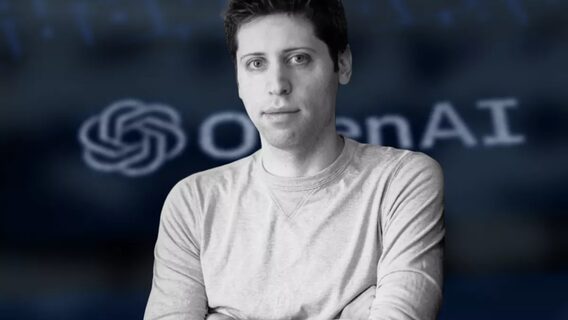
AI in the future could operate on a utility model — like electricity or water. This is how OpenAI CEO Sam Altman described the future logic of access to artificial intelligence.
AI in the future could operate on a utility model — like electricity or water. This is how OpenAI CEO Sam Altman described the future logic of access to artificial intelligence.
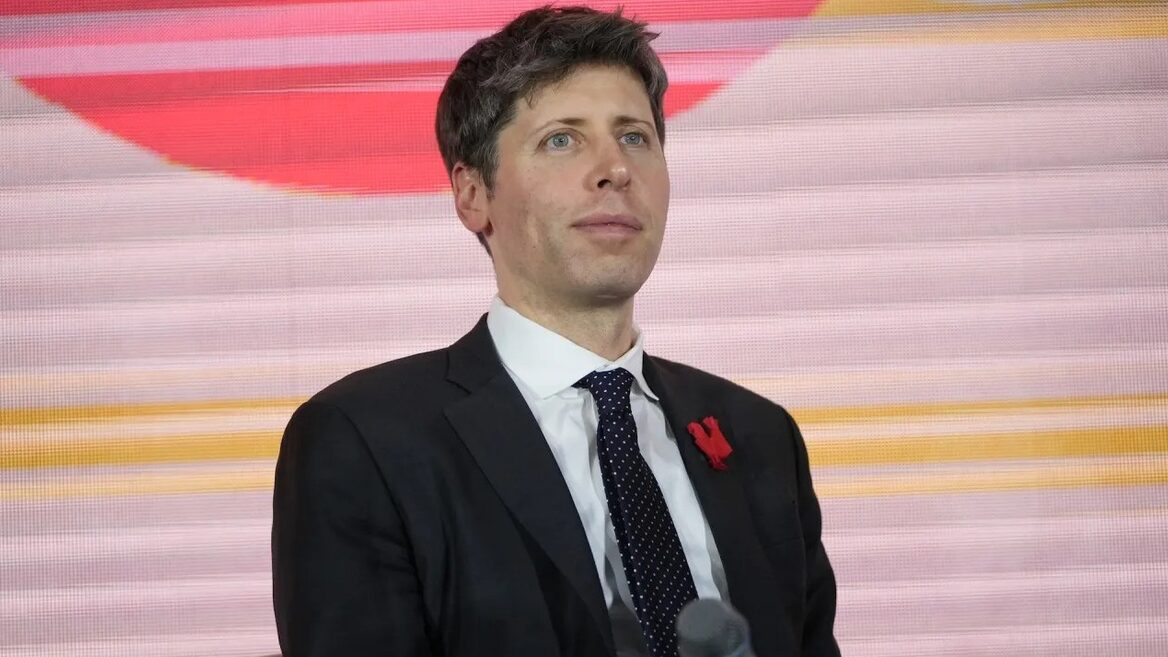
According to Business Insider, during the BlackRock Infrastructure Summit, Altman said that OpenAI sees a future in which «intelligence» becomes a service like electricity or water, and users buy it «by the meter.» This is not a typical subscription, but a model where payment depends on the actual use of computing resources.
In effect, this means that OpenAI is publicly describing a scenario in which AI is sold not as a separate chatbot or service, but as a basic infrastructure, access to which is charged according to the volume of consumption. In such logic, tokens become the key unit, i.e. the volume of the processed request and generated response. This is how OpenAI’s API model already works, where the company charges for the use of models, not just for fixed access.
Altman’s statement is also important because it directly links the future of AI to infrastructure constraints. At the summit, he also said that the availability and price of AI in such a model will depend on the amount of compute, that is, the capacity on which the models are trained and run. If these resources are lacking, AI will either become more expensive or will have to be distributed in conditions of scarcity.
For the market, this is not just a nice metaphor. OpenAI already has a pricing structure for its API products, so Altman’s words can be read as a public signal about where the company wants to move the entire AI business. If this logic takes hold, users will pay not so much for «access to AI» as for a specific amount of computing, as they pay for kilowatts or cubic meters today.
Against the backdrop of the data center boom, the struggle for electricity, and the rising costs of inference, such a statement sounds not like abstract futurism, but as an attempt to describe the new economics of AI. And at the same time, as an explanation of why large models increasingly resemble not ordinary software, but expensive infrastructure that someone has to build, feed, and maintain every day.
Previously, dev.ua wrote about how in January OpenAI CEO Sam Altman said that the company would «slow down sharply» in hiring to avoid mass layoffs. However, OpenAI continues to grow and is also actively hiring specialists from abroad.
Як нейромережі бачать вільну та незалежну Україну? Тест dev.ua
Нейронні мережі для генерації зображень бачать світ по-своєму, їхню логіку зрозуміти часом зовсім неможливо. Але таки хочеться. На честь Дня Незалежності України редакція dev.ua вирішила провести невеликий експеримент.
Ми задали чотирьом різним нейронним мережам п’ять однакових запитів: «прапор України», «День Незалежності України», «український Крим», «перемога України» та «українці». Отриманими результатами ми ділимося з вами нижче.
У TikTok тепер можна генерувати фон за допомогою нейромережі. Ми протестували її та ділимося результатами
У TikTok з’явилася нова функція «Розумний фон». З її допомогою як фон для тіктоків можна підставляти згенеровані нейромережею зображення. Редакція dev.ua протестувала цю технологію і ділиться своїми враженнями.