Наталя ХандусенкоAI Eng
2 July 2026, 13:00
2026-07-02
Ukrainian developer releases Claude Code memory pumping tool. How session-indexer differs from analogues
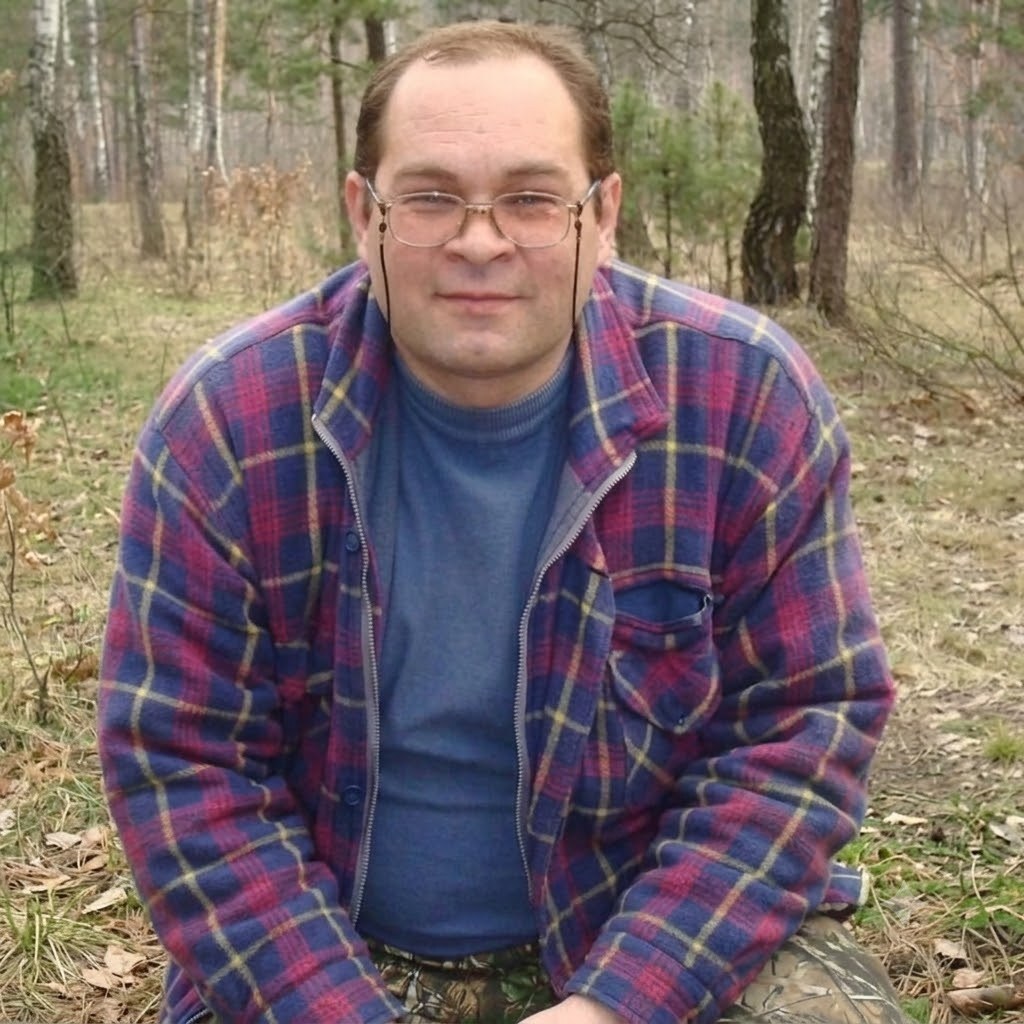
Software Engineer Valentyn Solomko developed session-indexer — an open-source tool in Go that solves the problem of lack of long-term memory between work sessions in Claude Code.
Software Engineer Valentyn Solomko developed session-indexer — an open-source tool in Go that solves the problem of lack of long-term memory between work sessions in Claude Code.
What problem does session-indexer solve?
Every developer knows the feeling: coming back to a project after a week of vacation or a weekend and trying to remember “what we decided about architecture or feature X” among dozens of old chats. A regular session log will only show where you left off yesterday, but it’s powerless when you need to remember details from three weeks ago.
Valentyn Solomko created a tool that automatically remembers everything discussed with Claude and can search by content, not just keywords.
A tool without a centralized repository, and here's why
Analogues (such as mempalace, agentmemory or MemMachine) keep data from all projects on one shared server. The main disadvantage of such an architecture is that if this single server "goes down", the memory will disappear immediately for all projects and clients, and its recovery will turn into a headache. In addition, the same MemMachine is designed for large cloud SaaS platforms (such as medical or financial AI assistants), while developers usually need a simple local tool for a specific project.
Software Engineer Valentyn Solomko
The session-indexer runs separately for each project and operates in append-only mode — the .claude/sessions.db database lives right inside the .claude/ directory of the project itself. The worst-case scenario is losing the database for a specific project. This is fully recoverable by re-running the indexer based on the existing JSONL files, as my tool is idempotent. Each project is isolated; nothing you do in one can break the other.”
How it works
Valentin set everything up so that the developer didn't have to make any unnecessary movements:
When the session ends: the tool automatically takes the entire conversation, breaks it into pieces and saves it to an SQLite database. If local Ollama is running, it converts the text into smart vectors (bge-m3 embeddings).
When a new session starts: the utility itself looks at your current Git branch, the latest commits, and automatically "throws" relevant context from the past into Claude. You don't even have to ask for anything.
Manual search: if you need to find something specific, Valentin added a convenient command right inside the interface — just enter /recall [your query].
In addition, the author insured the system against failures: if intelligent neural network search via Ollama is unavailable, the program instantly switches to classic full-text keyword search (FTS5 BM25). No hard dependencies.
Stack
Valentin wrote the project in the latest Go 1.26, used a lightweight SQLite database without cgo, Ollama for AI search, and the Cobra library for the CLI interface. The tool is distributed under the MIT license — so anyone can take it and use it.
Як нейромережі бачать вільну та незалежну Україну? Тест dev.ua
Нейронні мережі для генерації зображень бачать світ по-своєму, їхню логіку зрозуміти часом зовсім неможливо. Але таки хочеться. На честь Дня Незалежності України редакція dev.ua вирішила провести невеликий експеримент.
Ми задали чотирьом різним нейронним мережам п’ять однакових запитів: «прапор України», «День Незалежності України», «український Крим», «перемога України» та «українці». Отриманими результатами ми ділимося з вами нижче.
У TikTok тепер можна генерувати фон за допомогою нейромережі. Ми протестували її та ділимося результатами
У TikTok з’явилася нова функція «Розумний фон». З її допомогою як фон для тіктоків можна підставляти згенеровані нейромережею зображення. Редакція dev.ua протестувала цю технологію і ділиться своїми враженнями.