Хочете будувати кар’єру в Data Science та AI? Vodafone Big Data Lab відкриває новий набір —>
Олександр КузьменкоThat's Life
21 May 2026, 12:27
2026-05-21
More than half of blocked payment fraud attempts in Ukraine occur on mobile devices
About 55–65% of all blocked fraudulent transactions in Ukraine today are carried out through mobile payments. Payment fraudsters are massively transferring their activity to users' smartphones, adapting schemes for mobile banking and eSIM.
About 55–65% of all blocked fraudulent transactions in Ukraine today are carried out through mobile payments. Payment fraudsters are massively transferring their activity to users' smartphones, adapting schemes for mobile banking and eSIM.
This is evidenced by analytical data from the WayForPay payment service, as well as official reports from the National Bank of Ukraine.
They note that the amount of losses from illegal card transactions over the past year increased by 24% and reached UAH 1.4 billion. This occurred despite an overall decrease in the number of incidents by 5% (to 256,000). The main reason for this dynamics is the increase in the average check for one theft by 30%, which now amounts to UAH 5,536. Fraudulent attacks are becoming more targeted and financially more tangible, with 83% of losses falling on transactions on the Internet, where social engineering dominates (90% of the total losses).
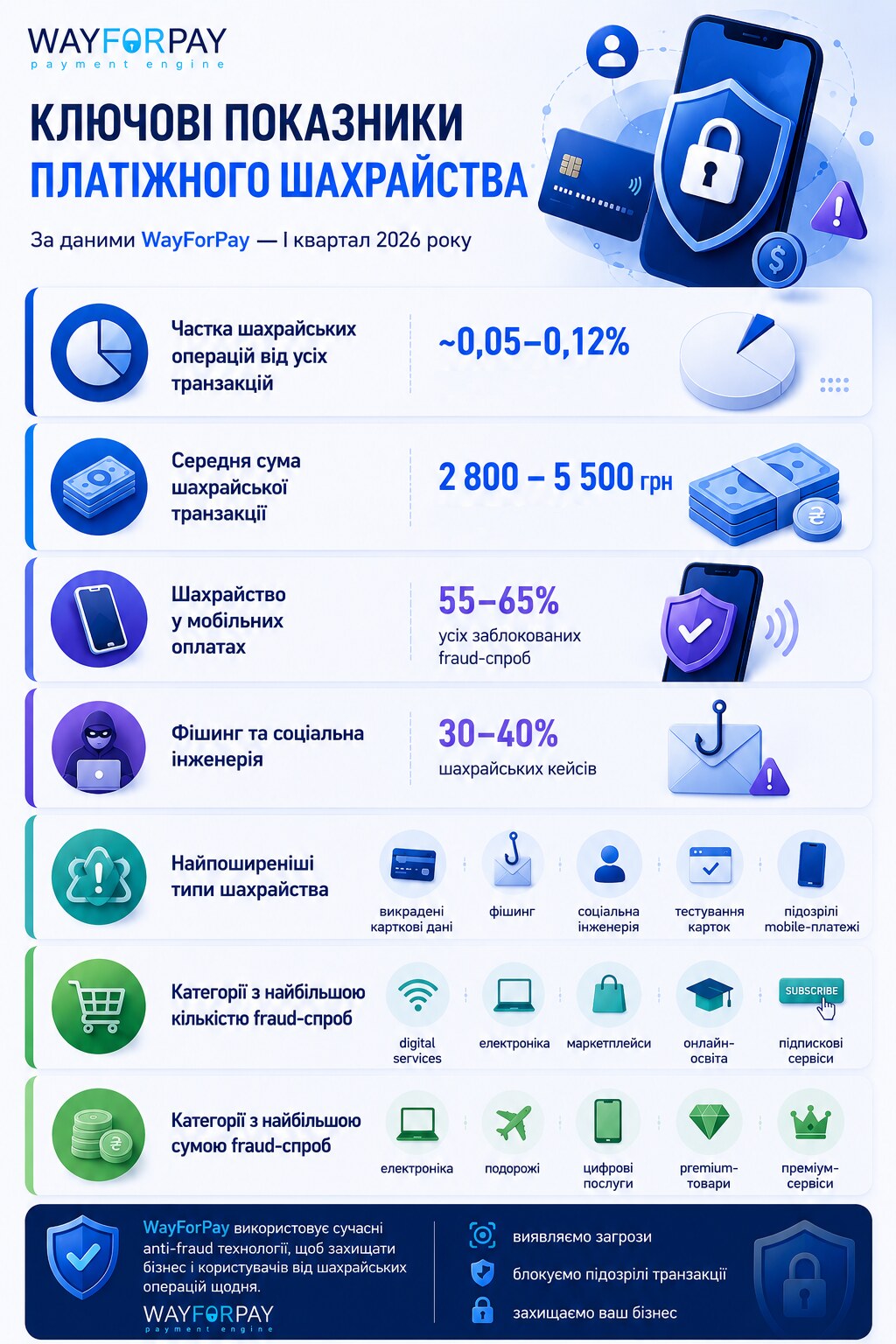
The report claims that WayForPay’s anti-fraud mechanisms blocked fraudulent attempts worth UAH 45 to 55 million in the first quarter of 2026 alone, stopping an average of 150 to 200 suspicious transactions daily.
WayForPay infographics and data
Experts say the main challenge of the year is the migration of attackers to smartphones. In addition to classic phishing, fraudsters are actively exploiting the vulnerabilities of mobile users.
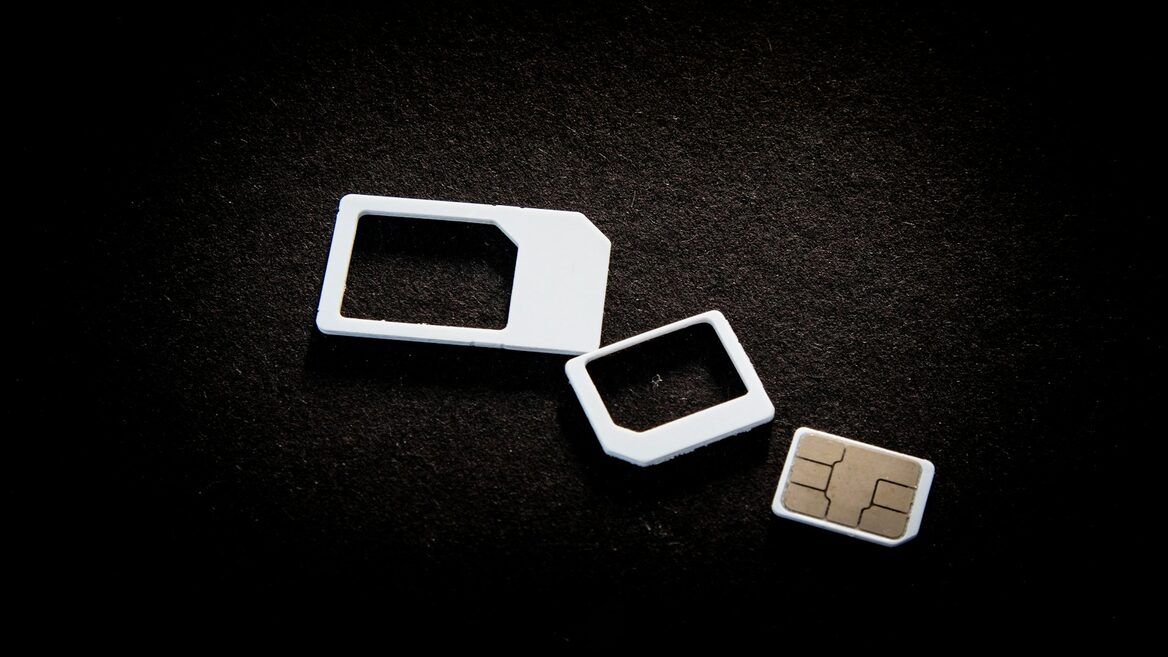
The problem has become particularly acute for Ukrainians abroad: due to prolonged non-use of domestic SIM cards, their financial numbers are canceled by mobile operators and transferred to new owners, which is used by attackers to access online banking. Schemes with unauthorized reissuance of virtual eSIMs are also rapidly spreading.