AI conflict in China. Huawei accused of stealing Alibaba's model
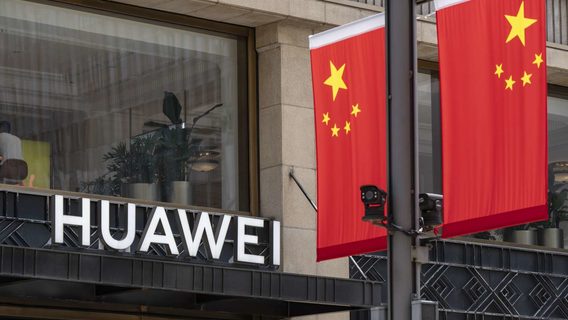
While the US is hunting for AI talent among its competitors, a scandal has erupted in China between two tech giants. Huawei has been accused of cloning Alibaba's Qwen model.


While the US is hunting for AI talent among its competitors, a scandal has erupted in China between two tech giants. Huawei has been accused of cloning Alibaba's Qwen model.
While the US is hunting for AI talent among its competitors, a scandal has erupted in China between two tech giants. Huawei has been accused of cloning Alibaba's Qwen model.
The whistleblower group HonestAGI published a technical analysis on GitHub claiming that Huawei's model — Pangu Pro Mixture of Experts (MoE) — showed "extraordinary correlation" with Alibaba's Qwen 2.5-14B, Interesting Engineering writes .
The indictment alleges that Huawei “repurposed” the Qwen model instead of creating its own from scratch.
While Alibaba's Qwen models focus on consumer use and chatbot applications, Huawei's Pangu suite targets the government, financial, and manufacturing sectors.
Huawei’s Noah Ark AI Lab was quick to respond. It said the model “is not based on incremental training of other manufacturers’ models” and that its team “made key innovations in architecture, design, and specifications.” It also claims that Pangu Pro is the first large-scale model built entirely on Huawei’s Ascend chips, and claims that open source license requirements were met.
The standoff signals a turning point in China’s AI race. Once a sector characterized by state-owned innovation, the sector is now facing open competition among leading players. Industry analysts say the dispute is undermining the country’s ability to compete with U.S. giants such as OpenAI and Google’s DeepMind.
Computerworld reported that the HonestAGI group used a fingerprinting method that found a correlation coefficient of 0.927 between the two models.
However, critics have questioned the reliability of the method, pointing out that it also shows correlations between unrelated models. Some have also pointed out fake references and non-existent studies in the HonestAGI report.
The situation escalated after an anonymous Huawei insider claiming to be part of the Pangu team published allegations of systematic cloning. The whistleblower claimed that Huawei “cloned Qwen-1.5 (110B), wrapped it in additional layers and modifications — creating a pseudo-135B “V2” model.”
The same publication alleged that this version was being sold to customers under a different name. The identity of the informant remains unknown, and the claims have not been independently verified.
Analysts say the dispute exposes flaws in open source collaboration and could damage global trust in Chinese AI products. The incident could force buyers in Southeast Asia and the Middle East to reconsider their partnerships.