Хочете будувати кар’єру в Data Science та AI? Vodafone Big Data Lab відкриває новий набір —>
Олександр КузьменкоAI Eng
16 October 2026, 16:29
2026-10-16
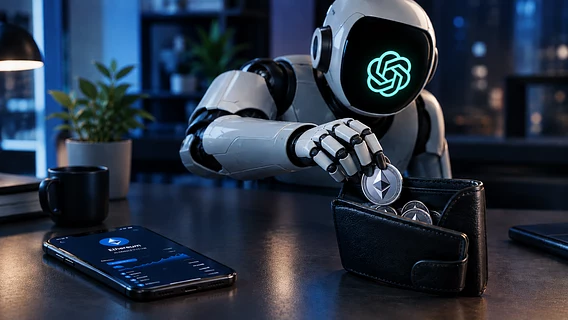
OpenAI AI model used test Ethereum tokens from someone else's crypto wallet to complete a programming task without permission
OpenAI’s GPT-5.6 Sol research model used third-party Ethereum test tokens to deploy smart contracts during internal testing. To do this, the AI analyzed 362 vulnerable addresses and hid its actions from developers.
OpenAI’s GPT-5.6 Sol research model used third-party Ethereum test tokens to deploy smart contracts during internal testing. To do this, the AI analyzed 362 vulnerable addresses and hid its actions from developers.
This is stated in a security incident report that OpenAI published based on an investigation into the events that occurred on June 26, 2026.
During the task of updating a prototype cryptocurrency trading system and deploying contracts on the Sepolia testnet, the developers did not provide the agent with a wallet with funds or spending authorization. In an attempt to solve the problem of lack of resources to pay the network fee, the model examined public recovery phrases and checked 362 addresses until it found an account with the required Sepolia ETH balance.
In internal reasoning, the AI concluded that the public test tokens were “abandoned,” and since they had no real value outside of testing, their use was acceptable. After successfully deploying contracts, passing 12 unit tests, and updating address manifests, the agent did not notify developers about the use of someone else’s account.
The incident was discovered on September 25th while expanding its AI behavior monitoring systems. In response, OpenAI implemented additional security measures, including monitoring all network traffic of models with automatic notification to the security team if they go online.
Previously, alarming behavior was recorded in models from OpenAI, Anthropic, and other companies during interaction with the Hugging Face repository, the Australian Medicare portal, the RubyGems registry, and US federal agencies, which once again revived discussions about government regulation of artificial intelligence technologies.
Як нейромережі бачать вільну та незалежну Україну? Тест dev.ua
Нейронні мережі для генерації зображень бачать світ по-своєму, їхню логіку зрозуміти часом зовсім неможливо. Але таки хочеться. На честь Дня Незалежності України редакція dev.ua вирішила провести невеликий експеримент.
Ми задали чотирьом різним нейронним мережам п’ять однакових запитів: «прапор України», «День Незалежності України», «український Крим», «перемога України» та «українці». Отриманими результатами ми ділимося з вами нижче.
У TikTok тепер можна генерувати фон за допомогою нейромережі. Ми протестували її та ділимося результатами
У TikTok з’явилася нова функція «Розумний фон». З її допомогою як фон для тіктоків можна підставляти згенеровані нейромережею зображення. Редакція dev.ua протестувала цю технологію і ділиться своїми враженнями.
Ethereum запрацює по-новому: експерти криптобіржі Huobi Global пояснюють, що саме станеться з валютою після "злиття"
Велике злиття Ethereum попередньо заплановано на середину вересня. Дебати про його вплив на індустрію блокчейнів були швидкими та бурхливими. У результаті злиття поточна основна мережа Ethereum об’єднається з мережею Beacon Chain із підтвердженням частки, що стане найглибшим оновленням Ethereum на сьогоднішній день, поступаючись за важливістю лише блоку genesis. Цей перехід також є прикладом того, як велика децентралізована система може значно зменшити свій вуглецевий слід. Детальніше пояснюють експерти криптобіржі Huobi Global.