Хочете будувати кар’єру в Data Science та AI? Vodafone Big Data Lab відкриває новий набір —>
Олег ОнопрієнкоScience Pop
10 April 2026, 09:00
2026-04-10
Space Plumbers, New Records, and the Best iPhone Ad. Artemis II Mission Results
It's been more than half a century since humanity last visited the Moon. It turns out that to conquer space in 2026, you need three things: a super-powerful rocket, a working toilet, and an iPhone in the astronaut's pocket. We tell you how 10 days in space went, where the most common phrase was: "Don't move your foot, I'll get something out of it right now."
It's been more than half a century since humanity last visited the Moon. It turns out that to conquer space in 2026, you need three things: a super-powerful rocket, a working toilet, and an iPhone in the astronaut's pocket. We tell you how 10 days in space went, where the most common phrase was: "Don't move your foot, I'll get something out of it right now."
The crew and the ship: Who led humanity to the moon?
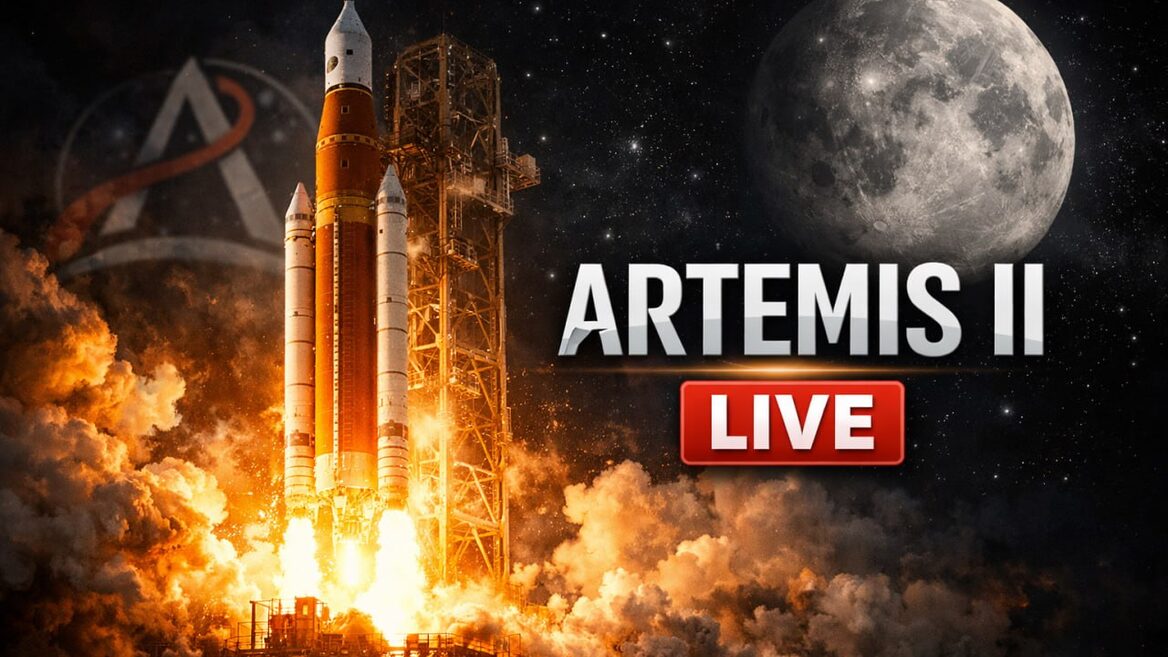
The Artemis II mission is the first manned mission of NASA's new lunar program. Unlike future missions, this mission did not involve a landing on the surface, but was a critical test of how the Orion spacecraft interacts with a crew in the real-world conditions of deep space. The crew consists of four professionals:
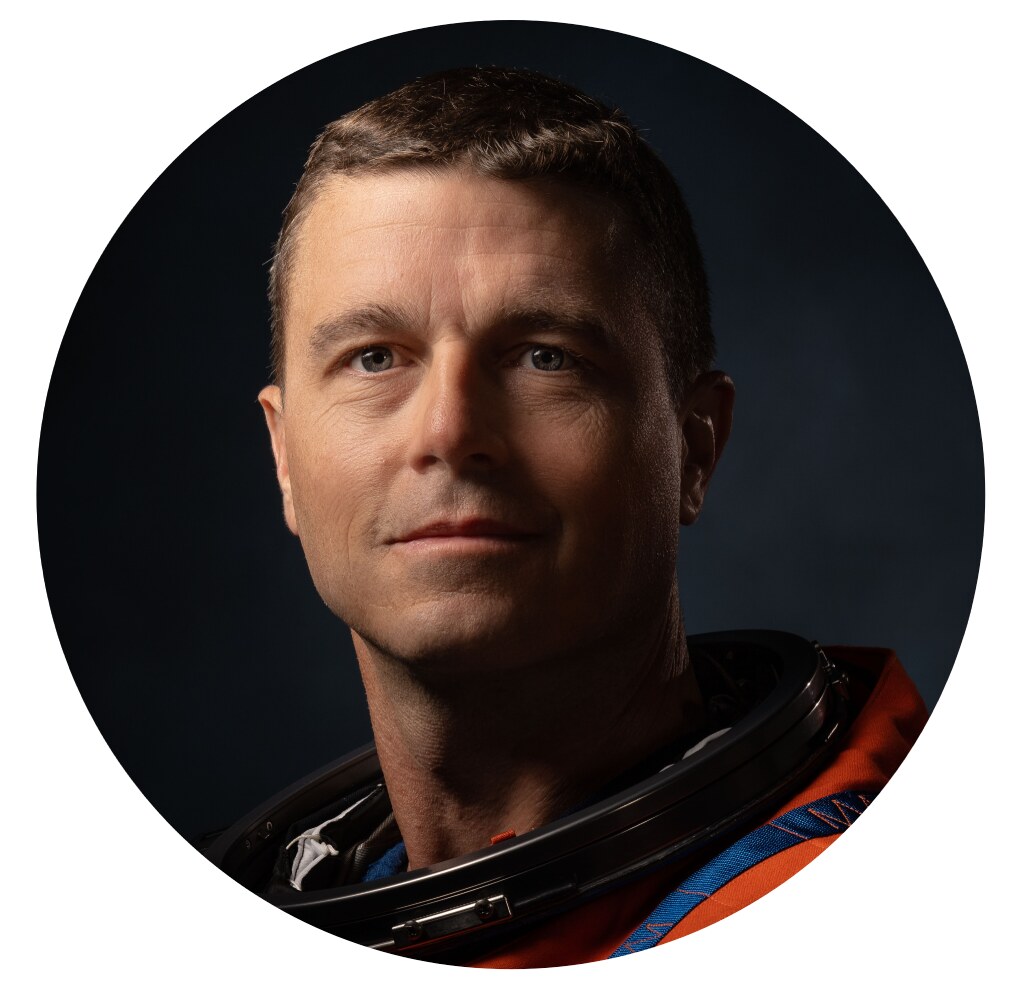
Reed Wiseman, Commander
A veteran NASA astronaut who led the preparation and execution of the mission, Wiseman is rumored to be afraid of heights.
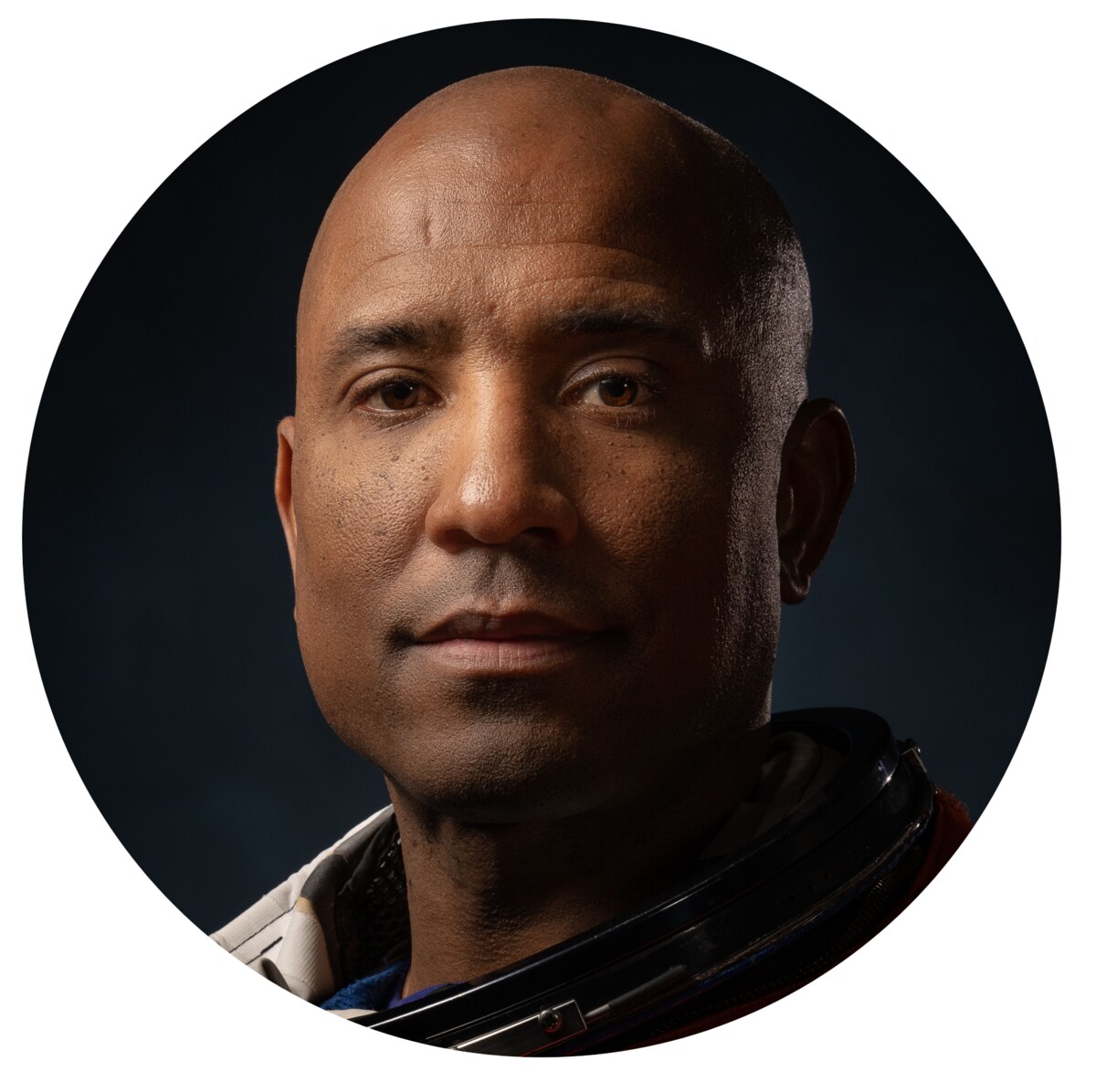
Victor Glover, pilot
The first black astronaut to go to the Moon.
Christina Koch, Mission Specialist
The first woman to leave Earth orbit. She holds the record for the longest stay in space by a woman — 11 months.
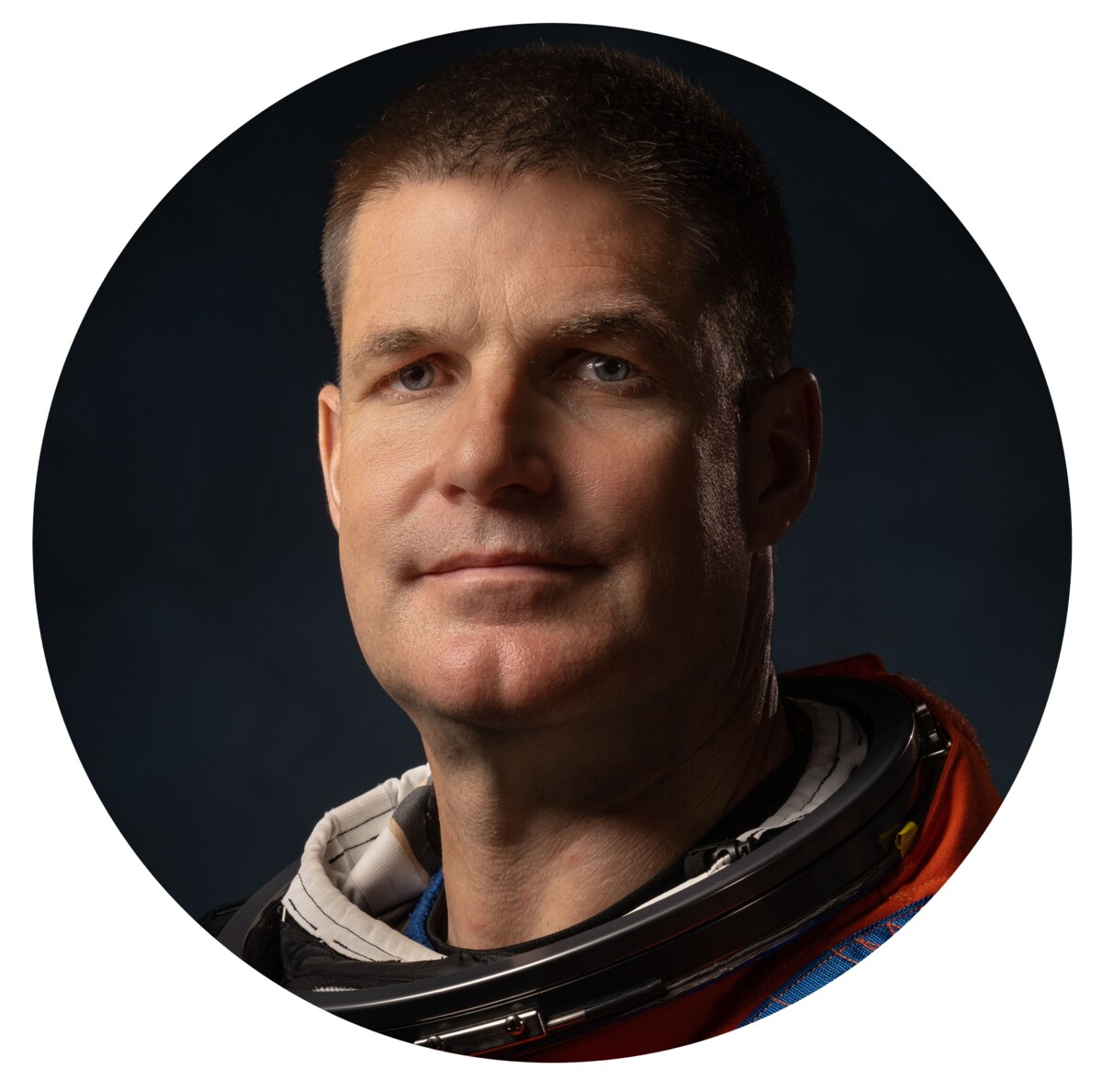
Jeremy Hansen, Mission Specialist
A representative of the Canadian Space Agency (CSA). The first non-US astronaut to fly to the Moon.
Their home for 10 days is the Orion capsule, attached to the European service module, which provides the ship with power, oxygen and water. According to Christina Koch, although the capsule seems cramped, in zero gravity, space is perceived differently: “We are in this little room that gives us everything we need, but we are literally bumping into each other 100% of the time.”
Space "plumbers": how the toilet broke twice
A trip to the Moon is not only about majestic landscapes, but also about very prosaic problems. The domestic drama with the toilet, which, by the way, cost NASA $26 million, became one of the most discussed topics of the mission.
The first time the system failed was on the first day of the flight. Christina Koch reported to the control center that the fan of the universal waste management system had jammed. This is a serious problem: without air traction (which replaces gravity), the liquid in microgravity simply flies around the cabin.
While engineers on Earth worked out instructions, the crew was forced to get backup urine collection bags—the same ones used by Apollo astronauts. Koch eventually managed to fix the controller, earning her the joking title of “space plumber.”
However, on the third day, a second “trouble” occurred. Jeremy Hansen smelled something burning from the sanitary compartment. This time the problem was different: the external waste discharge hole had frozen and become covered with ice. To thaw the “space sewer”, engineers ordered the entire ship to be turned so that sunlight would warm the desired side. Only then could the crew breathe a sigh of relief again.
New record: the most distant people in history
Artemis II has officially surpassed the achievements of the legendary Apollo 13 mission. In April 1970, James Lovell, Fred Hayes, and Jack Swigert traveled 250,000 miles (406,771 km) from Earth.
On April 6, 2026, the Integrity crew crossed this boundary. The ship continued to move away until it reached its maximum distance — approximately 406,771 km from our planet.
"We choose this moment to challenge our generation and the next: make sure this record doesn't last long," said Jeremy Hansen as they became the furthest people from home in history.
Moon flyby: snowmen, craters and a solar eclipse
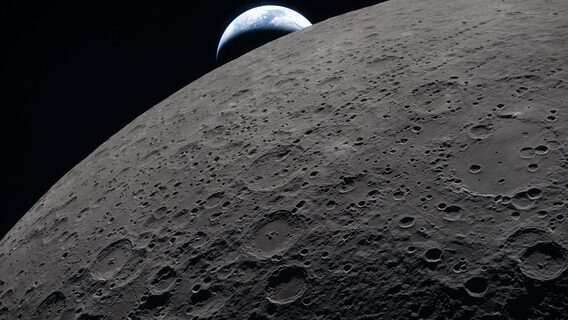
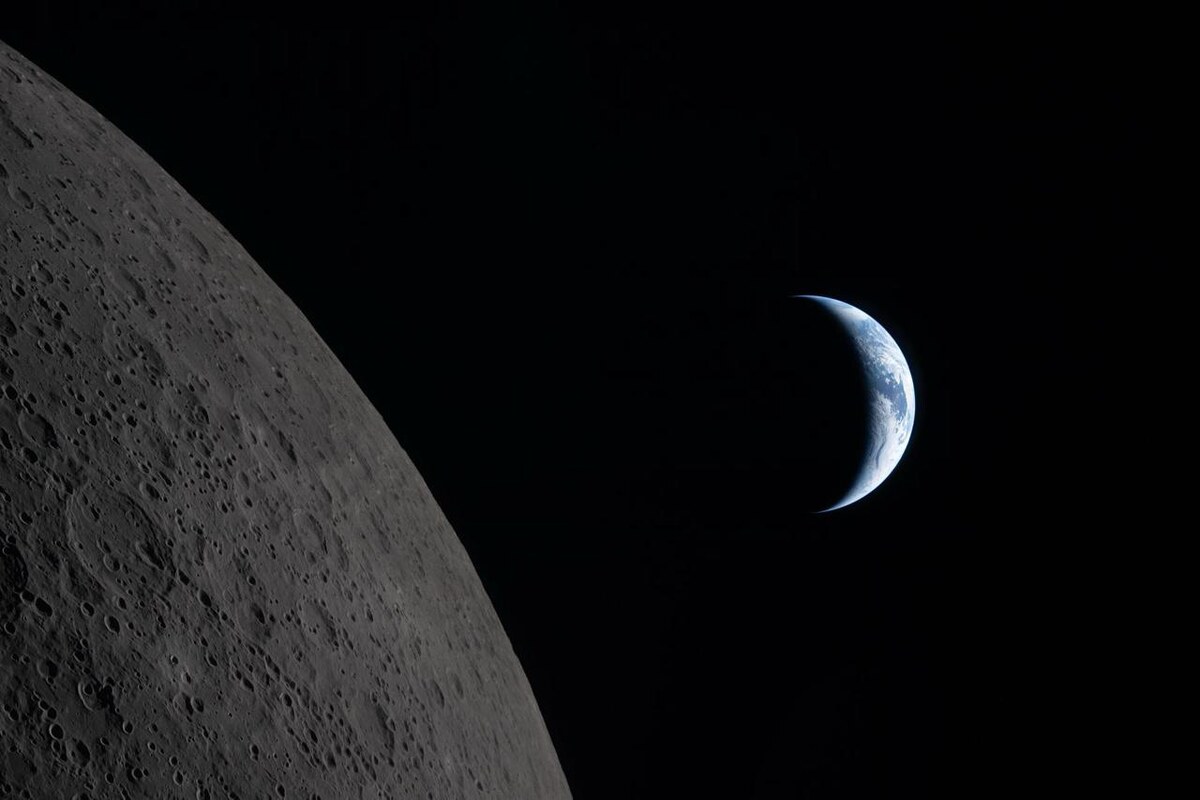
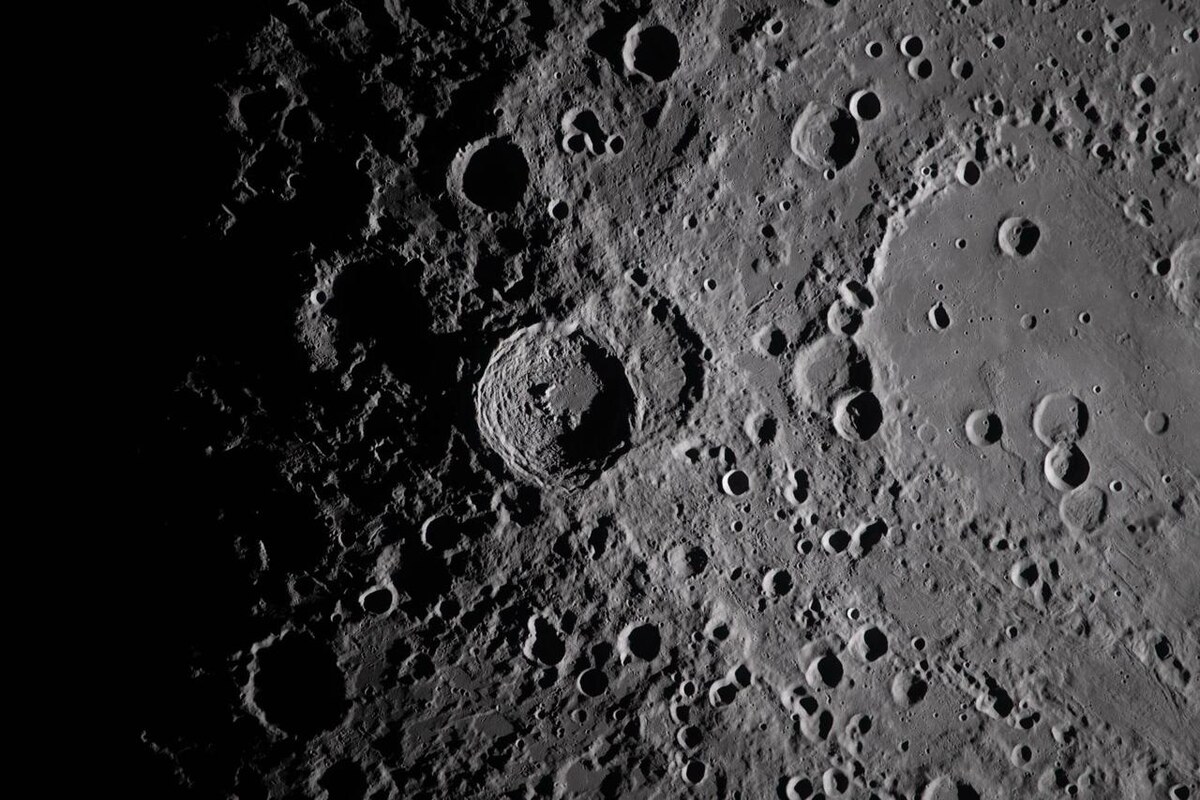
Flying over the far side of the Moon at a distance of about 6,500 km from the surface, the astronauts had a unique opportunity to see what is inaccessible to telescopes from Earth.
Victor Glover was delighted with the terrain: he described areas of extremely high albedo (reflectivity) that he called "snow-like." He also noticed a double crater in the north that reminded him of a "snowman." One of the main objects of study was the Orientale basin, a giant crater almost 1,000 km wide, which Reed Wiseman compared to "a pair of lips or a kiss" on the surface of the Moon.
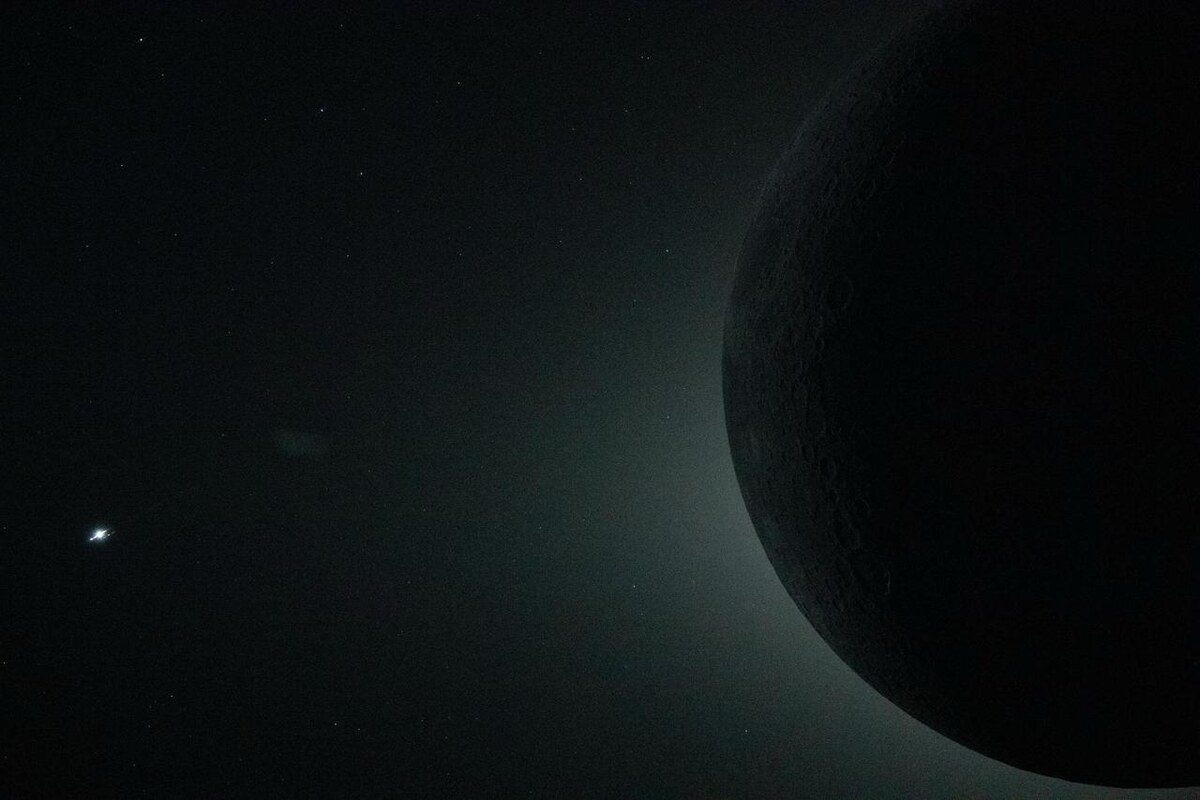
But the most fantastic sight was a total solar eclipse seen from deep space. Because the Moon was so large for the spacecraft, the Sun disappeared behind it for a full 53 minutes. Astronauts observed the solar corona through special goggles and saw Venus, Mercury, and Mars right next to the moon's dark disk. They also reported at least five flares from meteorites striking the lunar surface, which would have been impossible to see without such darkness.
Carroll Crater: The Mission's Brightest Moment
Despite all the technology, the mission found room for deep human emotion. As the crew reached the record distance, Jeremy Hansen turned to Mission Control with an unusual request.
They identified a bright, previously unnamed crater northwest of Glushko Crater. The crew suggested naming it “Carroll” in honor of Carroll Taylor Wiseman, the wife of Commander Reed Wiseman, who tragically died of cancer in 2020. Hansen called the crater “a bright spot” that could be seen even from Earth. At that moment, all four astronauts hugged, and Wiseman could not hold back tears. “For me, personally, it was the highlight of the mission,” he later admitted.
Marketing in Space: iPhone Selfies 17
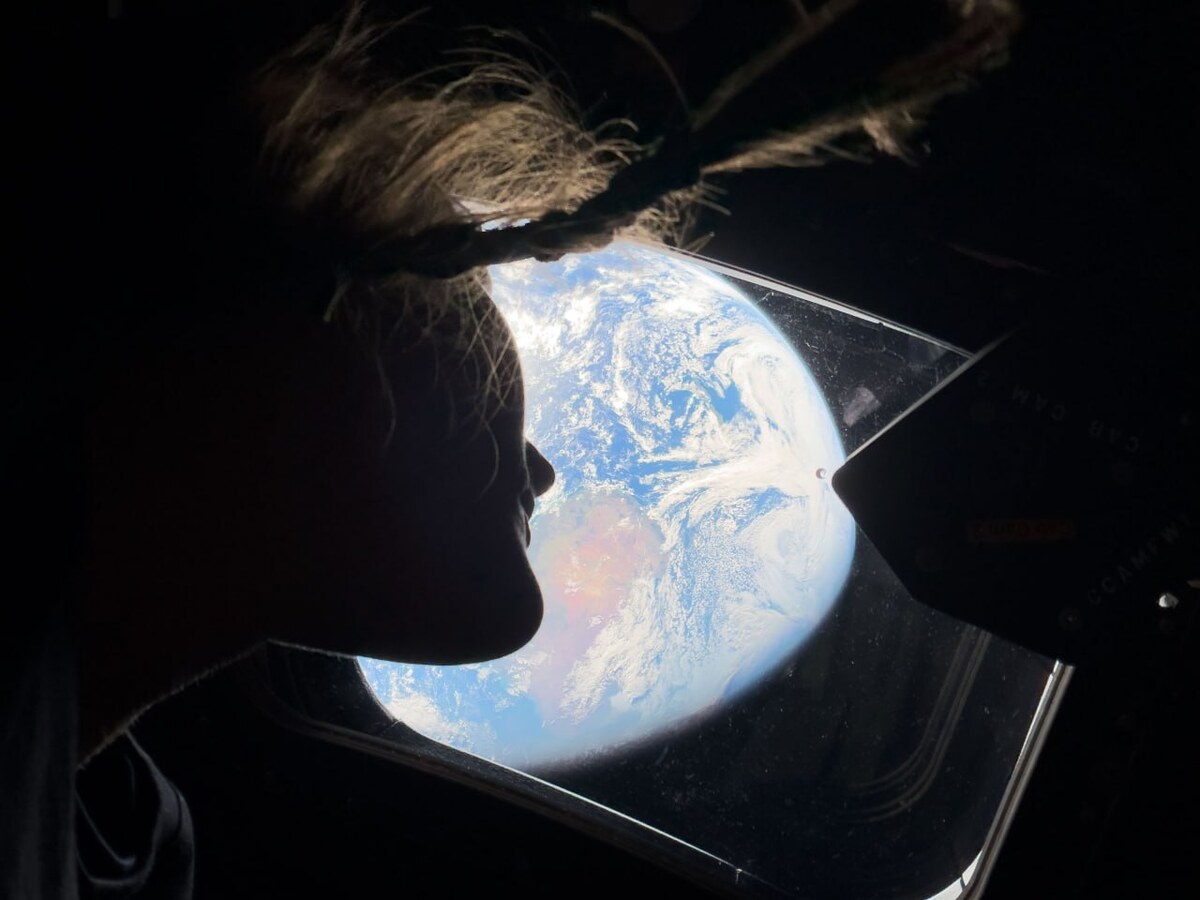
On board Integrity, in addition to professional Nikon and GoPro cameras, there were regular iPhone smartphones.
The decision to allow smartphones was made by NASA Administrator Jared Isaacman so that the crew could capture personal moments for their families. Of course, the phones didn't have internet access, but they became indispensable for quick snapshots and selfies.
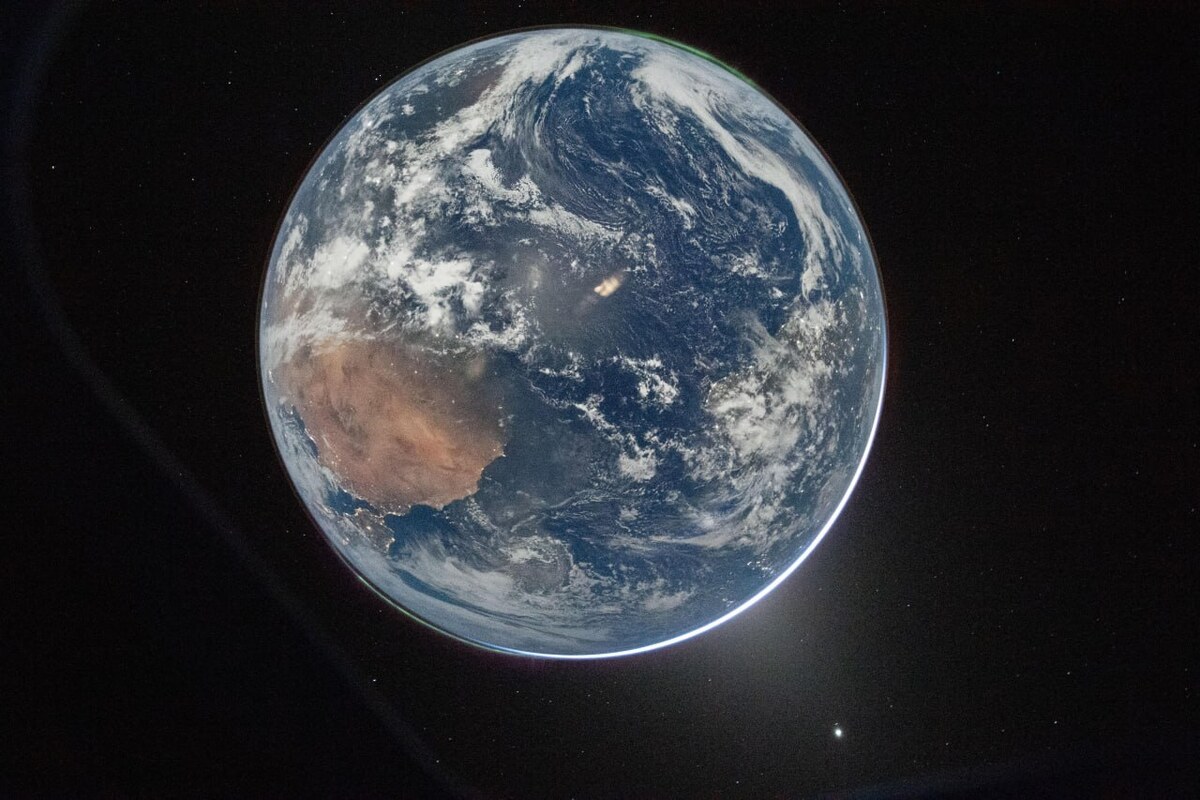
Reed Wiseman, trying to photograph the Earth through a porthole, joked, “It’s like you’re in your backyard trying to take a picture of the moon with your phone—that’s how it feels right now.” Despite the challenges, the footage became “Apple’s best commercial,” showing deep space through a lens familiar to every Earthling.
Return home and the way to disembarkation
The Artemis II mission is nearing its conclusion. The spacecraft is now on a “free return” trajectory, the Moon’s gravity acting like a slingshot, sending the craft back to Earth.
Landing is scheduled for Friday, April 10, in the Pacific Ocean near San Diego. Kyiv time, that will be Saturday, April 11, at approximately 03:00 a.m.
The crew faces its toughest test yet — atmospheric reentry at speeds of over 40,000 km/h. If successful, this will pave the way for the Artemis III mission in 2027 (docking in orbit) and the historic landing of humans near the Moon's South Pole during the Artemis IV mission in late 2028.
Integrity returns not only with data, but also with hope. As Victor Glover noted, “There’s so much interesting stuff here, but the best is coming back with us—our stories and our photos.” Mankind has returned to the Moon. This time, it’s here to stay.
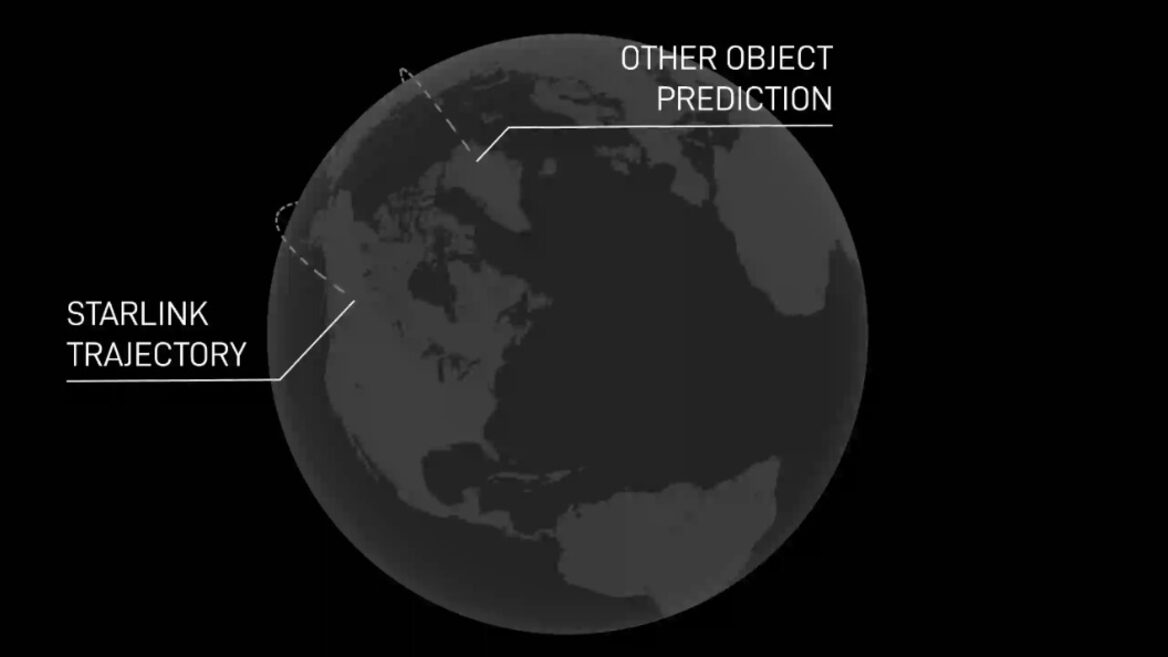
SpaceX has developed a new “space awareness” system that it is ready to share with other operators for free. How will this affect the overall safety of satellites in space?
Божество, зореліт, уламок планети: що людство знає про Місяць і як збирається туди повертатися
16 листопада 2022 року NASA успішно запустила місію Artemis 1 до Місяця. Ракета Space Launch System (SLS) і корабель Orion стартували о 8:47 за Києвом із космічного центру Кеннеді на мисі Канаверал. Задача корабля Orion — покрутитися навколо супутника Землі шість днів і повернутися на Землю, після чого можна запускати людей. Якщо все пройде успішно, уже за кілька років ми побачимо грандіозний камбек і реюньон людства на супутник Землі. Що ми знаємо про Місяць, чому так довго його ігнорували та як будемо повертатися — в оновленому завдяки успішному старту (нарешті!) суперексплейнері від dev.ua від 29 серпня 2022 року.