Хочете будувати кар’єру в Data Science та AI? Vodafone Big Data Lab відкриває новий набір —>
Валентин ШнайдерAround IT
17 October 2025, 18:45
2025-10-17
Spotify has agreed with copyright holders on the rules for using AI and is preparing new monetization tools for artists
Spotify, along with Sony, Universal, Warner, Merlin, and Believe, is launching a course on «artificial intelligence that works for artists.» The company promises to innovate without compromising copyright, with voluntary participation by musicians and transparent payment for the use of their works.
Spotify, along with Sony, Universal, Warner, Merlin, and Believe, is launching a course on «artificial intelligence that works for artists.» The company promises to innovate without compromising copyright, with voluntary participation by musicians and transparent payment for the use of their works.
According to Spotify, Sony Music Group, Universal Music Group, Warner Music Group, Merlin and Believe have already joined the collaboration, with plans to add other rights holders in the future. The partners will jointly develop «responsible» AI-based tools that help build audiences, rather than compete with authors. The company emphasizes four principles: work only under prior licensing agreements; leave the right for artists to decide whether to participate in AI projects; ensure fair remuneration and correct credits; and strengthen the direct connection between artists and listeners. In parallel, Spotify is investing in its own research lab and product team for generative AI.
The service reminds that some of the possibilities have already been tested on the listeners' side — these are AI DJ, a personal daylist and AI Playlist, which suggest new tracks and artists. But the next wave should be «about the careers of authors», and not about experiments at their expense. To reduce abuse, Spotify previously introduced measures against spam, impersonation and fraud, and now wants to transfer these principles to licensed AI products, where ownership and participation are fixed in advance. Label executives supported the approach. Sony called direct licensing «the only correct way», Universal stressed the importance of «artist-centric» models, Warner focused on new agreements that protect and compensate rights holders, Merlin and Believe noted the priority of respect for copyright, transparency and new sources of income.
With the rise of generative music, the industry is caught between the risk of unauthorized copying and the demand for new tools for creativity and promotion. Signing a framework with key labels reduces legal and reputational risks for the market and paves the way for monetization of AI services on terms that suit both artists and platforms. If the initiative is quickly translated into products, musicians will have manageable scenarios for using their catalog in AI, and listeners will have legal and interesting ways to discover new music.
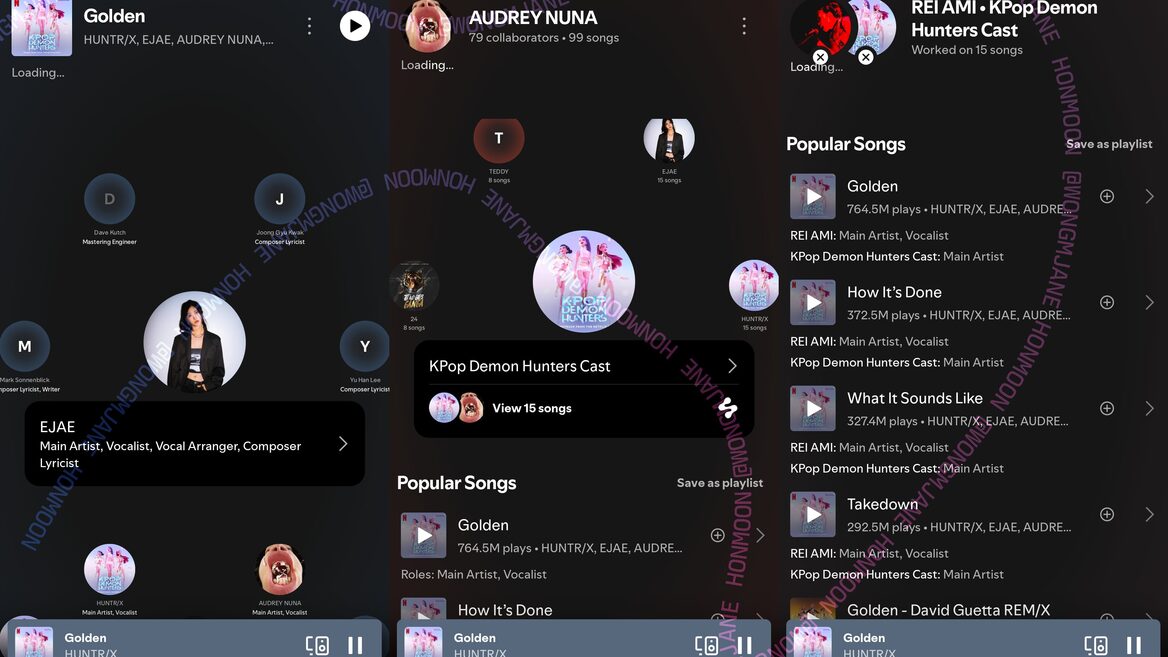
Previously, dev.ua wrote about how Spotify is developing a «SongDNA» feature that will allow users to discover new music through all its authors: vocalists, engineers, lyricists, producers, composers, and others who worked on a particular track or album.
Як нейромережі бачать вільну та незалежну Україну? Тест dev.ua
Нейронні мережі для генерації зображень бачать світ по-своєму, їхню логіку зрозуміти часом зовсім неможливо. Але таки хочеться. На честь Дня Незалежності України редакція dev.ua вирішила провести невеликий експеримент.
Ми задали чотирьом різним нейронним мережам п’ять однакових запитів: «прапор України», «День Незалежності України», «український Крим», «перемога України» та «українці». Отриманими результатами ми ділимося з вами нижче.
У TikTok тепер можна генерувати фон за допомогою нейромережі. Ми протестували її та ділимося результатами
У TikTok з’явилася нова функція «Розумний фон». З її допомогою як фон для тіктоків можна підставляти згенеровані нейромережею зображення. Редакція dev.ua протестувала цю технологію і ділиться своїми враженнями.