Хочете будувати кар’єру в Data Science та AI? Vodafone Big Data Lab відкриває новий набір —>
Валентин ШнайдерAI Eng
28 October 2025, 14:18
2025-10-28
Sam Altman's startup is preparing a non-surgical "brain" interface as an answer to Neuralink
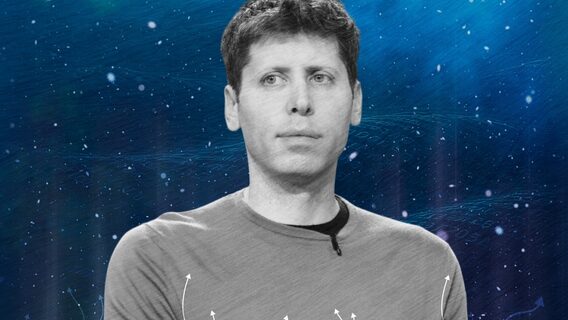
Sam Altman is actively developing the startup Merge Labs, which creates a «brain interface» without surgery: the device is planned to be connected to the brain using sound waves, without implants and dissection.
Sam Altman is actively developing the startup Merge Labs, which creates a «brain interface» without surgery: the device is planned to be connected to the brain using sound waves, without implants and dissection.
According to AndroidHeadlines, the project is being developed by the Merge Labs team, co-founded by Altman and Alex Blania (known for Worldcoin). The scientific lead will be bioengineer Mikhail Shapiro. His approach is simple for the user: instead of surgery, the device should read and transmit signals through the skin and bones of the skull using precisely tuned sound waves. If successful, the interface can be worn and removed like a regular gadget.
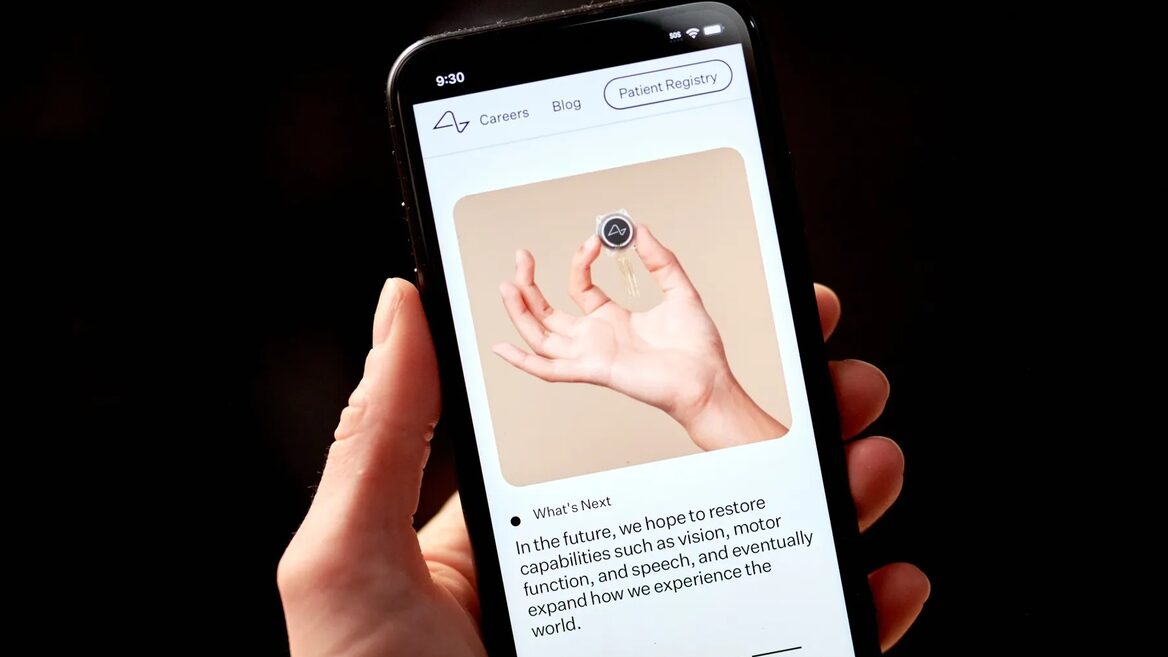
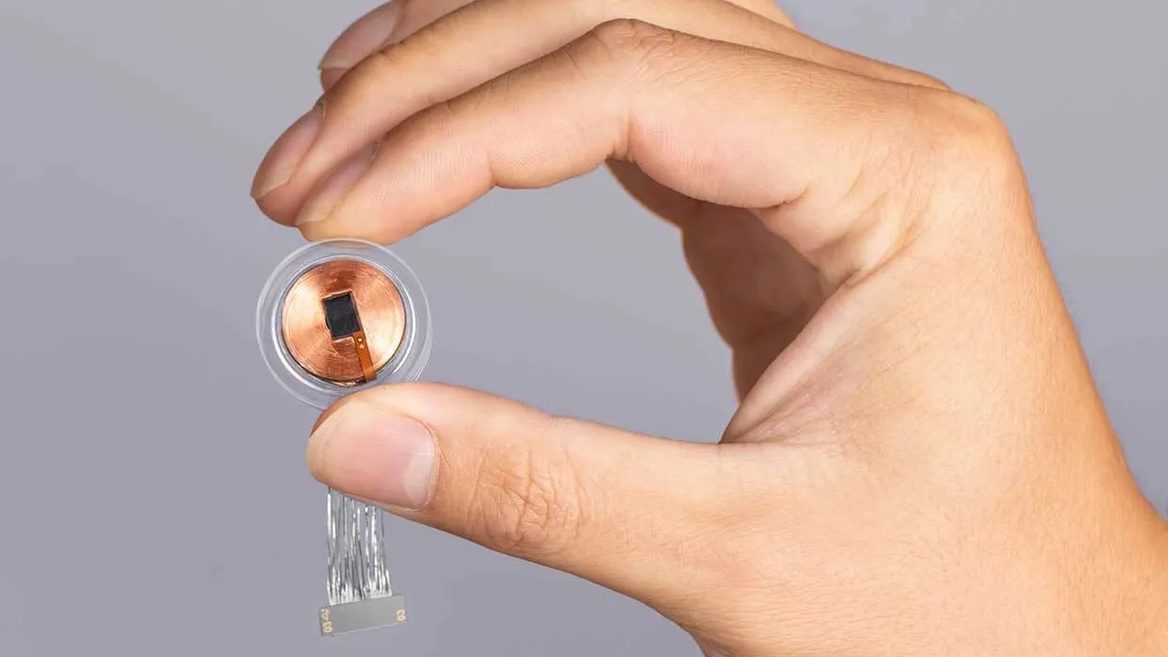
Neuralink is taking a different approach: Musk’s company implants thin electrodes directly into the brain. This produces a strong and «clean» signal, but requires major surgery, patient selection, medical supervision, and tight regulation. Altman’s approach is aimed at a broader audience: without opening the skull, there are lower health risks, an easier start, and the ability to update the device without repeated interventions.
The potential scenarios are obvious: controlling the cursor and typing with the «power of thought», helping with rehabilitation after strokes, new ways of interacting with augmented/virtual reality and games. But there are also difficult tasks. The signal passing through the tissues is weaker and «noisier» than from the implant; the system must be taught to consistently capture the user’s intentions, work with minimal delay and not confuse real commands with random impulses. There is also the issue of confidentiality: who owns the «brain data» and how to protect it from abuse.
According to available information, Merge Labs is in the early stages. There are no launch dates or specifications for the serial device, so it is too early to compare performance with implants. At the same time, the very fact that Altman entered the market for «brain» interfaces makes the segment much more competitive: competition forces ideas to mature faster, and future users to hope for less painful and cheaper solutions.
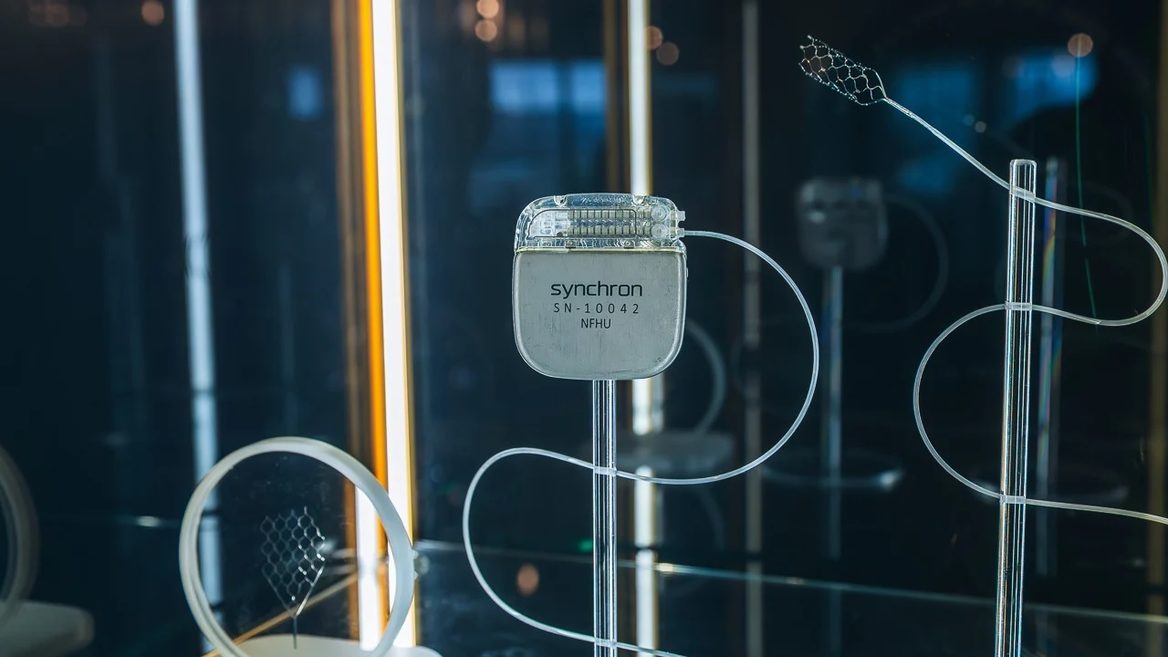
The market for brain interfaces is divided into two approaches: surgical implants (higher signal, but more risks and regulations) and external devices without dissection (less invasive, but more difficult with accuracy and latency). Altman’s team wants to prove that neat sound waves can read and transmit commands stably enough for everyday tasks — from cursor control and typing to rehabilitation and AR/VR. The key will be proof: real-world accuracy, low latency, and clear protection for «neurodata» users.
Previously, dev.ua wrote about how Sam Altman became a co-founder of a new startup called Merge Labs, which is developing a brain-computer interface. He is also raising funds, which are likely coming mainly from OpenAI’s venture capital arm.
Як нейромережі бачать вільну та незалежну Україну? Тест dev.ua
Нейронні мережі для генерації зображень бачать світ по-своєму, їхню логіку зрозуміти часом зовсім неможливо. Але таки хочеться. На честь Дня Незалежності України редакція dev.ua вирішила провести невеликий експеримент.
Ми задали чотирьом різним нейронним мережам п’ять однакових запитів: «прапор України», «День Незалежності України», «український Крим», «перемога України» та «українці». Отриманими результатами ми ділимося з вами нижче.
У TikTok тепер можна генерувати фон за допомогою нейромережі. Ми протестували її та ділимося результатами
У TikTok з’явилася нова функція «Розумний фон». З її допомогою як фон для тіктоків можна підставляти згенеровані нейромережею зображення. Редакція dev.ua протестувала цю технологію і ділиться своїми враженнями.
«Життя — це більше, ніж просто вирішення однієї проблеми за іншою». Ілон Маск написав колонку в китайському медіа. Які плани техногенія на найближче майбутнє?
Бізнесмен Ілон Маск написав колонку про сталу енергетику, мозкові імпланти та дослідження космосу в китайському виданні, що належить національній агенції з контролю за інтернетом та цензурою. Англійською текст переклав журналіст китайського держвидання «Сіньхуа» Янь Лю. Ми адаптували допис українською.