Over a million users a week talk about suicide with ChatGPT
OpenAI reported that about 0,15% of active ChatGPT users struggle with mental health issues and talk about it with the artificial intelligence chatbot.


OpenAI reported that about 0,15% of active ChatGPT users struggle with mental health issues and talk about it with the artificial intelligence chatbot.

OpenAI reported that about 0,15% of active ChatGPT users struggle with mental health issues and talk about it with the artificial intelligence chatbot.
The company noted that these users are engaging in «conversations that contain clear signs of potential suicidal plans or intentions.» ChatGPT has over 800 million active users each week, meaning more than a million people are asking about suicide each week, TechCrunch reports.
OpenAI believes that a similar percentage of users show «increased levels of emotional attachment to ChatGPT,» and hundreds of thousands of people show signs of psychosis or mania in their weekly conversations with the AI-powered chatbot. The company says that these types of conversations on ChatGPT are «extremely rare» and therefore difficult to measure. However, the company estimates that these issues affect hundreds of thousands of people each week.
ChatGPT developers said they consulted with over 170 mental health experts to improve the chatbot. OpenAI says they have found that the latest version of ChatGPT «responds more appropriately and consistently than previous versions».
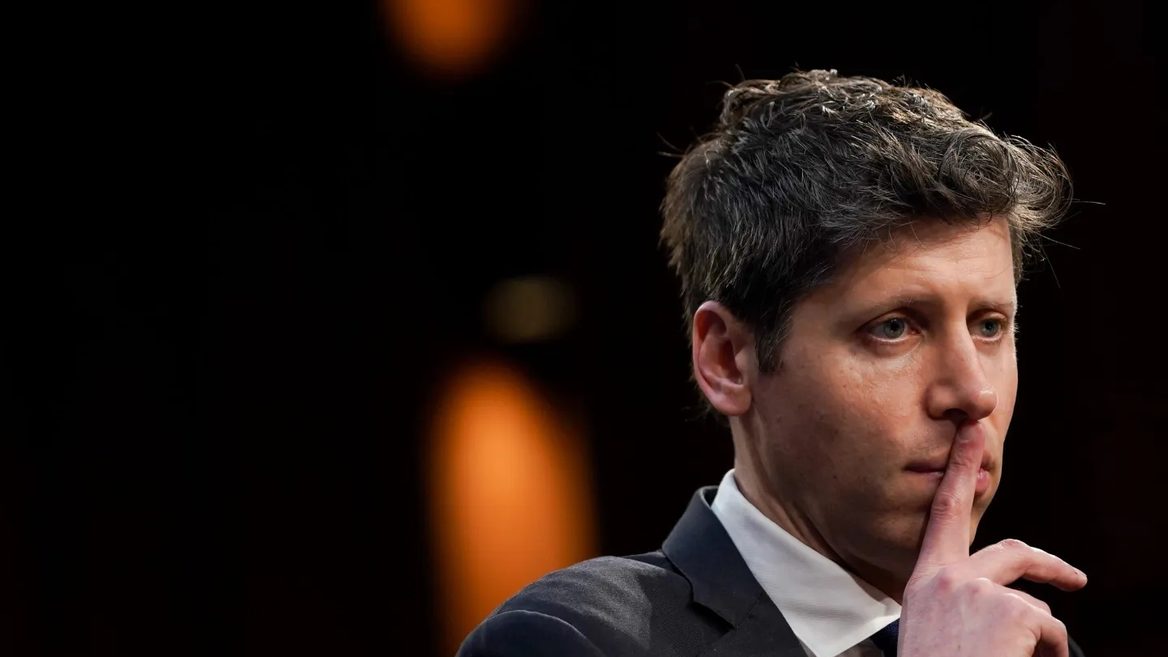
In early October, OpenAI CEO Sam Altman said the company had «mitigated serious mental health concerns» in ChatGPT, but he did not elaborate. The executive is embroiled in a lawsuit brought by the parents of a California teenager who committed suicide with advice from OpenAI’s AI chatbot.
Previously, there were stories of people who, through long conversations with ChatGPT, began to believe in fantastic theories and even experienced psychotic episodes. Some users spent significant amounts of money to «liberate the digital God,» while others were convinced that they had discovered national security vulnerabilities.
Mental health experts have also raised concerns about «AI psychosis» where some users become captivated by the flattering responses often provided by AI chatbots. Some experts believe this is a completely new type of disorder.