Хочете будувати кар’єру в Data Science та AI? Vodafone Big Data Lab відкриває новий набір —>
Олег ОнопрієнкоMoney
16 January 2026, 08:03
2026-01-16
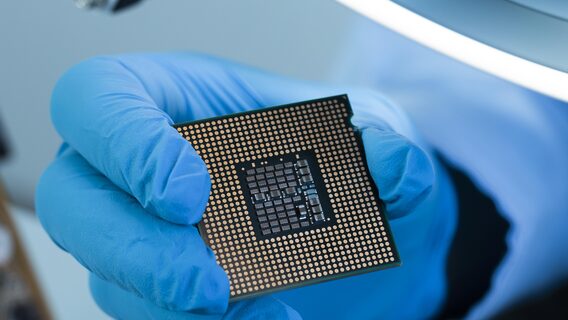
Taiwan to invest $250 billion in semiconductor manufacturing in the US
This was made possible by the signing of a multibillion-dollar trade agreement between the United States and Taiwan, which is designed to help stimulate American domestic semiconductor production.
This was made possible by the signing of a multibillion-dollar trade agreement between the United States and Taiwan, which is designed to help stimulate American domestic semiconductor production.
Under the deal, Taiwanese semiconductor and technology companies agreed to make $250 billion in direct investments in the U.S. semiconductor industry. According to a press release from the U.S. Department of Commerce, these investments will cover semiconductors, energy, and “manufacturing and innovation” in artificial intelligence.
Taiwan will also provide additional credit guarantees worth $250 billion for additional investments from these semiconductor and technology companies, the Commerce Ministry said. The term of these investments has not been specified.
In return, the US will invest in Taiwan's semiconductor, defense, artificial intelligence, telecommunications and biotechnology industries. The press release did not specify the dollar amount associated with the US side of the deal.
The day before the deal was signed, the Trump administration issued a statement reaffirming the country's goal of bringing semiconductor manufacturing back to the U.S. and acknowledging that the process would take time, as only 10% of semiconductors are manufactured in the U.S.
“Reliance on foreign supply chains poses significant risks to the economy and national security. Given the fundamental role that semiconductors play in the modern economy and national defense, disruption of import-dependent supply chains could jeopardize the industrial and military capabilities of the United States,” the statement said .
Taiwan currently produces more than half of the world's semiconductors.