Хочете будувати кар’єру в Data Science та AI? Vodafone Big Data Lab відкриває новий набір —>
Наталя ХандусенкоHot News
12 November 2026, 08:20
2026-11-12
OpenAI's top managers were tricked by Russian pranksters: they discussed military cooperation with Ukraine, thinking they were talking to Rustem Umerov
Three senior OpenAI executives responsible for national security and defense were the victims of a prank call by the Russian prank duo “Vovan and Lexus” (Vladimir Kuznetsov and Alexey Stolyarov). During a 17-minute video call, where the Russians posed as Ukrainian officials, the company’s representatives openly discussed the prospects for military assistance to Ukraine and internal discussions about using AI in offensive operations.
Three senior OpenAI executives responsible for national security and defense were the victims of a prank call by the Russian prank duo “Vovan and Lexus” (Vladimir Kuznetsov and Alexey Stolyarov). During a 17-minute video call, where the Russians posed as Ukrainian officials, the company’s representatives openly discussed the prospects for military assistance to Ukraine and internal discussions about using AI in offensive operations.
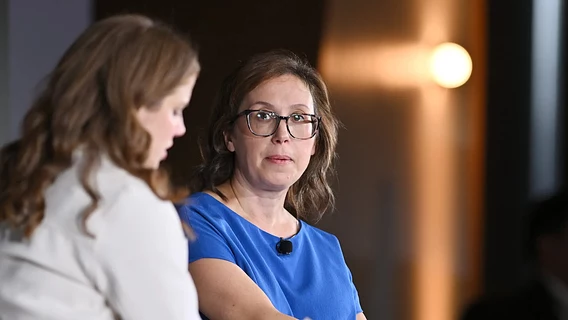
The fake Ukrainian official was contacted by key OpenAI security experts with significant experience working in government structures: head of national security policy Sasha Baker, head of strategic initiatives Caroline Zier, and curator of European national security Ben Crampton. Before joining the company, Baker and Zier held senior positions in the Pentagon, while Crampton worked in the EU and UN structures, reports the American publication The Intercept, citing a recording of the conversation published by the pranksters.
According to one of the pranksters, arranging the meeting was easy. The Russians first contacted a Ukrainian official in San Francisco on behalf of Rustem Umerov. Since this official was establishing contacts with OpenAI through the California diaspora and knew Sasha Baker from her days at the Pentagon, he helped organize the video conference. During the call itself, the interlocutor, who was posing as Umerov, kept his camera turned off.
What were they talking about?
During the conversation, OpenAI representatives shared details of both the current cooperation with Ukraine and the company's internal limitations.
Top managers spoke about the interaction with the Ukrainian government based on the Daybreak Blue AI model (a system for detecting and eliminating computer vulnerabilities), as well as the initial partnership with the Ministry of Defense of Ukraine. In particular, contact is maintained through an OpenAI employee in Washington, who previously worked with the Delta combat control system team.
Asked about the possibility of providing Ukraine with offensive military capabilities based on AI, Ben Crampton said that the company seeks the deepest possible relationship with Ukraine, but it is impossible to realize this immediately. According to him, many top managers at OpenAI still do not want to get too deeply involved in offensive applications of technology. At the same time, he noted: “Part of our job is to explain that in certain circumstances, offense and defense cannot be clearly distinguished.”
Sasha Baker noted that the company is in contact with the Pentagon about helping Ukraine. Commenting on US President Donald Trump's cool rhetoric regarding Volodymyr Zelensky, she assured her interlocutor that the majority of the US government, US citizens, and OpenAI researchers strongly support Ukraine. When asked to help counteract the influence of Elon Musk, Baker jokingly replied that the company is unlikely to be able to help with this, because Musk "isn't a fan of our CEO either, so we're in the same boat."
OpenAI's reaction
In a comment to The Intercept, OpenAI spokesman Nate Evans confirmed the incident, noting that the company conducted an internal investigation in conjunction with relevant authorities several weeks ago.
"We have concluded that this was a prank organized by individuals who have a history of attacks on officials and other companies. We have taken measures to prevent similar situations from occurring in the future," a company representative said.
The Embassy of Ukraine in the United States did not promptly respond to the publication's request for comments.
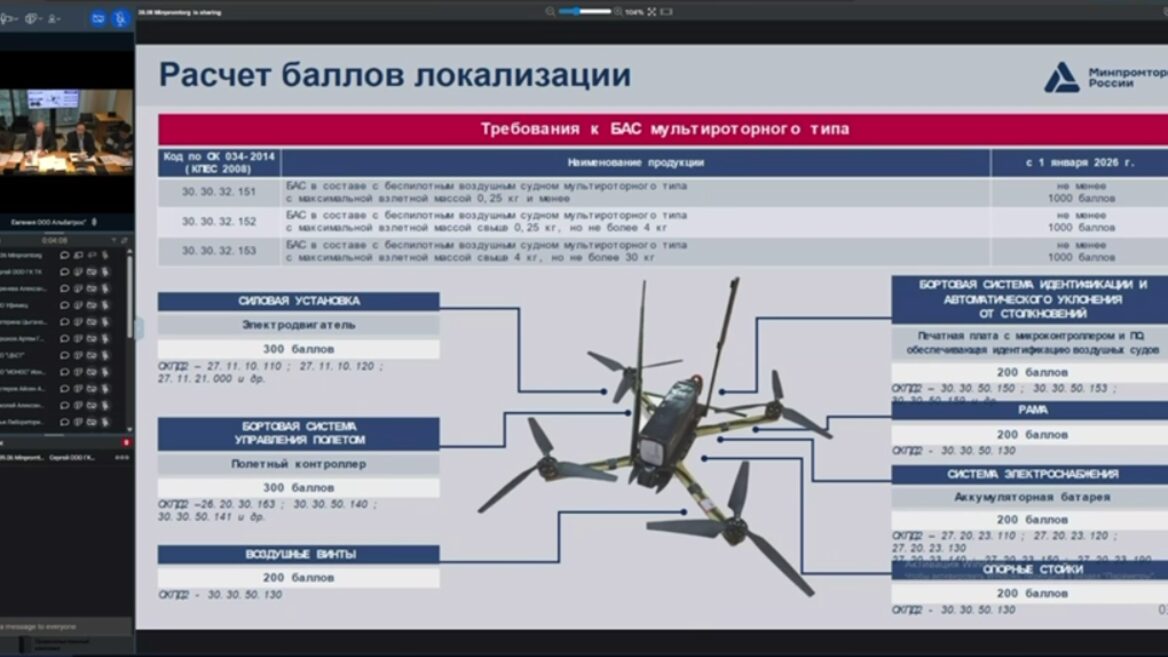
A Ukrainian prankster entered a closed online meeting of the Russian Ministry of Industry and Trade and discovered that Russian drones are 90% made of Chinese components