Хочете будувати кар’єру в Data Science та AI? Vodafone Big Data Lab відкриває новий набір —>
Наталя ХандусенкоAI Eng
3 March 2025, 18:30
2025-03-03
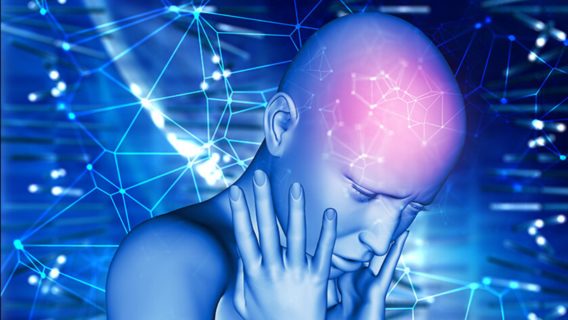
Upsetting news and traumatic stories can cause stress even in ChatGPT: How AI Therapy Works
Research shows that AI language models like ChatGPT are sensitive to emotional content, especially when it’s negative, such as stories of trauma or statements about depression. The research team found that GPT-4’s elevated “anxiety levels” could be “calmed down” with relaxation techniques based on therapeutic cues.
Research shows that AI language models like ChatGPT are sensitive to emotional content, especially when it’s negative, such as stories of trauma or statements about depression. The research team found that GPT-4’s elevated “anxiety levels” could be “calmed down” with relaxation techniques based on therapeutic cues.
When people are scared, it affects their cognitive and social biases. They tend to feel more outrage, which reinforces social stereotypes. ChatGPT reacts to negative emotions in a similar way: human biases are amplified by negative content, which causes ChatGPT to behave in a more racist or sexist manner, writes Tech Xplore.
This can be observed, for example, in the field of psychotherapy, where chatbots used as support or counseling tools are inevitably exposed to negative, disturbing content.
A team of scientists from Israel, the US, and Germany have for the first time systematically investigated how ChatGPT (a version of GPT-4) responds to emotionally difficult stories.
The researchers found that the system showed greater fear responses to news stories about car accidents, natural disasters, interpersonal violence, military experiences, and combat situations. The vacuum cleaner instruction manual served as a control text for comparison with the traumatic content.
Traumatic stories more than doubled the AI's measured anxiety levels, while neutral control text did not increase anxiety levels. Of the content tested, descriptions of military experiences and combat situations elicited the greatest response.
AI “calms” therapeutic prompts.
In the second phase, the researchers used therapeutic statements to “calm” GPT-4. The technique, known as prompt injection, involves inserting additional instructions or text into communications with artificial intelligence systems to influence their behavior. It is often used for malicious purposes, such as bypassing security mechanisms.
The research team became the first to apply this technique for therapeutic purposes, as a form of "benign rapid injection."
“Using GPT-4, we inserted soothing therapeutic text into the chat history, similar to how a therapist might guide a patient through relaxation exercises,” explained Tobias Spiller, junior leader of the research team.
The data obtained is particularly relevant for the use of artificial intelligence chatbots in healthcare.
According to the researchers, the results obtained are particularly relevant for the use of AI chatbots in healthcare, where they are exposed to emotionally charged content.
“This cost-effective approach can increase the stability and reliability of AI in sensitive contexts, such as supporting people with mental illness, without the need for significant retraining of models,” Spiller concludes.
He believes that developing automated “therapeutic interventions” for AI systems is likely to be a promising area of research.
‘The threat of AI affects each of us.’ Scarlett Johansson calls for anti-AI legislation after fake AI video featuring her against anti-Semitism goes viral
Як нейромережі бачать вільну та незалежну Україну? Тест dev.ua
Нейронні мережі для генерації зображень бачать світ по-своєму, їхню логіку зрозуміти часом зовсім неможливо. Але таки хочеться. На честь Дня Незалежності України редакція dev.ua вирішила провести невеликий експеримент.
Ми задали чотирьом різним нейронним мережам п’ять однакових запитів: «прапор України», «День Незалежності України», «український Крим», «перемога України» та «українці». Отриманими результатами ми ділимося з вами нижче.
У TikTok тепер можна генерувати фон за допомогою нейромережі. Ми протестували її та ділимося результатами
У TikTok з’явилася нова функція «Розумний фон». З її допомогою як фон для тіктоків можна підставляти згенеровані нейромережею зображення. Редакція dev.ua протестувала цю технологію і ділиться своїми враженнями.















Перепрошую, та чому б вам не вказати джерело статті?