Хочете будувати кар’єру в Data Science та AI? Vodafone Big Data Lab відкриває новий набір —>
Наталя ХандусенкоWeapon
4 August 2026, 10:50
2026-08-04
Fire Point has created its own turbojet engine for Flamingo missiles and plans mass production in 2027
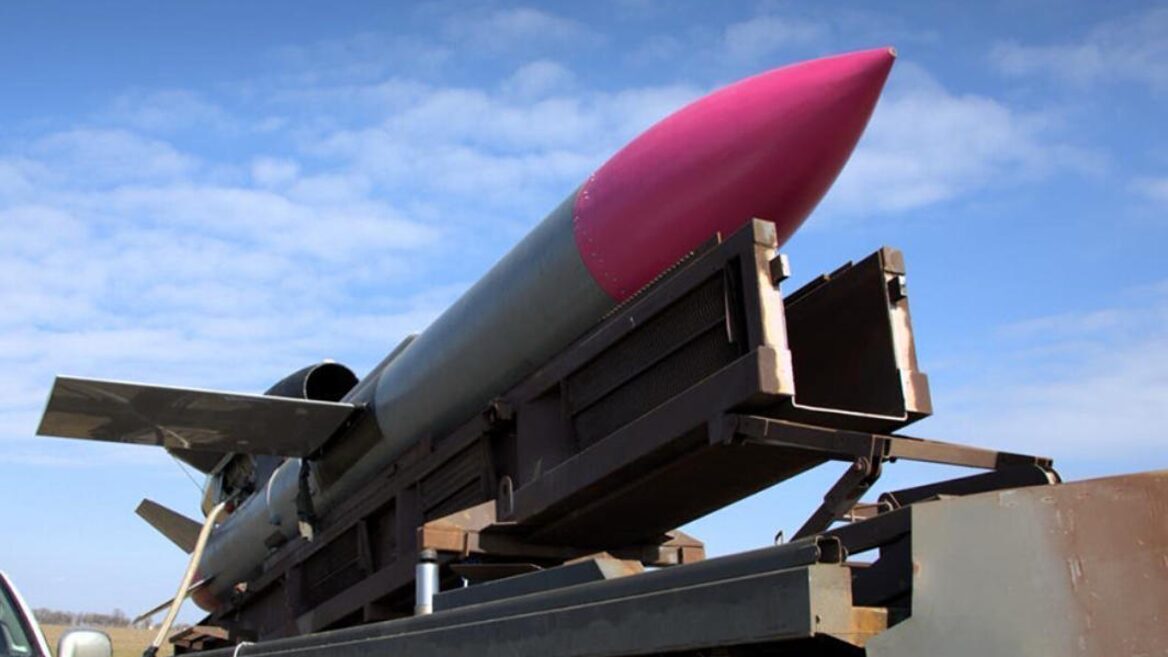
Fire Point has developed its own powerplant for the Flamingo to replace the L-39 Albatros aircraft engine, which is one of five compatible with this long-range missile.
Fire Point has developed its own powerplant for the Flamingo to replace the L-39 Albatros aircraft engine, which is one of five compatible with this long-range missile.
Initially, the Flamingo missiles used the Ivchenko AI-25 TL twin-circuit turbojet engine, which is commonly installed on the L-39 Albatros trainer aircraft. This raised questions about whether existing reserves of such powerplants would be sufficient to support continued missile production.
However, according to the company's management, the choice of this engine does not create a critical dependence.
"First of all, the AI-25 TL was the initial engine that we started flying with, but it's just one of five different types of engines that we use on the Flamingo. So it's not the only engine, and the Flamingo was originally designed to be flexible, able to work with different types of power plants. This allows us to significantly expand the available inventory of used engines," explained Fire Point CEO Iryna Terek in an interview with the American online military equipment publication TWZ.
To ensure cheaper and mass production, the company began creating its own turbojet engine, involving the same design bureau that developed the AI-25 TL. Unlike its aviation counterparts, the new engine is designed specifically for use in unmanned aerial vehicles.
The development process has been ongoing for over a year and a half. The company is currently assembling the first 10 prototypes of its future production turbojet engine.
"Creating a turbojet engine is obviously more difficult than the rocket itself. Our goal is to complete testing of all samples and make the necessary improvements by the end of this year, and move to mass production next year," Iryna Terek noted.
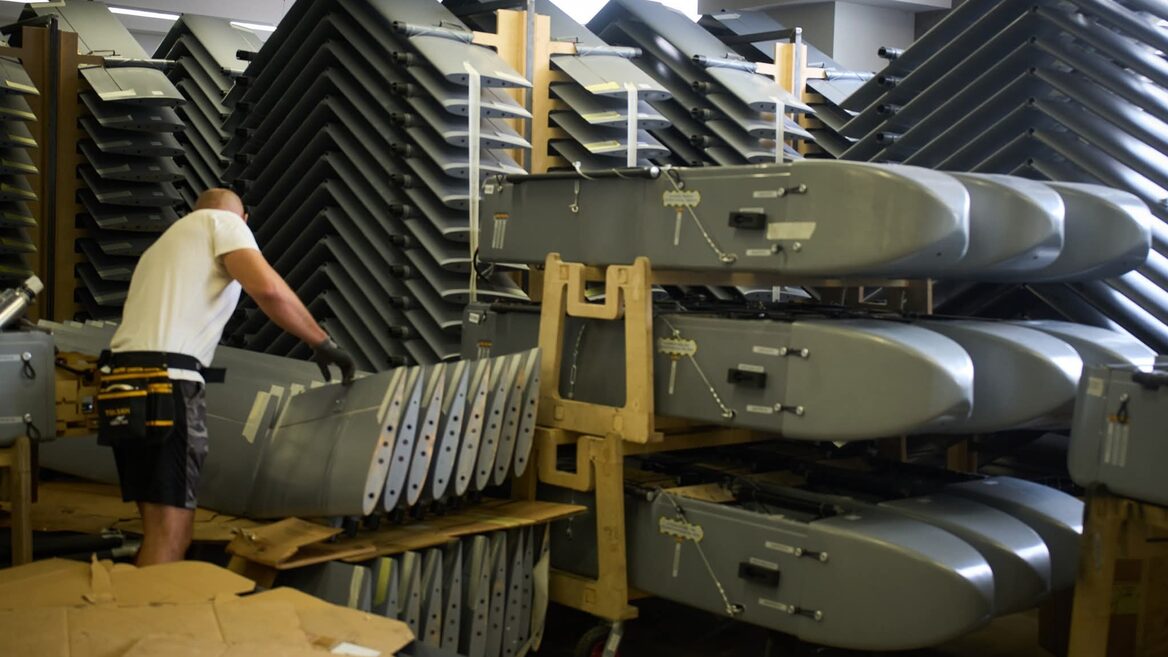
In addition to creating the power plant, an important task is to reach the declared production capacity - up to 7 missiles per day (which is equivalent to 2,555 missiles per year). According to the head of Fire Point, the necessary capacity has already been created, but the actual production rate now depends on the volume of contracting and financing. It is expected that the maximum production volume will be reached at the end of this year or early next year, depending on the signing of new contracts.