Хочете будувати кар’єру в Data Science та AI? Vodafone Big Data Lab відкриває новий набір —>
Наталя ХандусенкоWeapon
22 July 2026, 18:46
2026-07-22
Twist Robotics presents update to UAV mission simulator "Obriy"
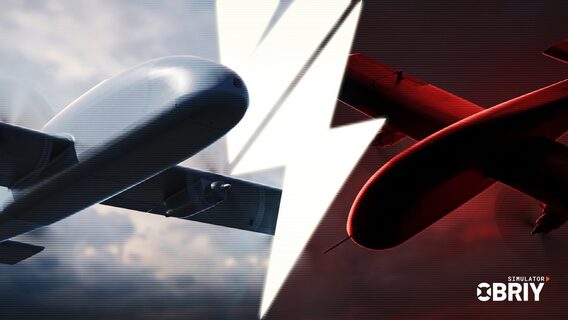
Defense-tech company Twist Robotics has introduced an update to the UAV mission simulator "Obriy", which features the new Ukrainian drone "Blyskavka-1" from the manufacturer "RNA Solutions" and the new enemy aerial target "Molniya-2".
Defense-tech company Twist Robotics has introduced an update to the UAV mission simulator "Obriy", which features the new Ukrainian drone "Blyskavka-1" from the manufacturer "RNA Solutions" and the new enemy aerial target "Molniya-2".
Horizon is a professional tactical platform for training UAV operators, mission planning, and crew coordination, created by Twist Robotics. The simulator allows you to practice piloting, using various types of unmanned systems, and countering aerial threats in an environment close to real combat conditions, but without the risk of losing equipment.
The latest release expands the platform's capabilities in two directions at once: it adds a new drone for practicing flights with different combat loads and develops small air defense scenarios in the "Anti-Shahid Horizon" version. The functionality, dynamics, and aerodynamics of aircraft and interceptor drones have also been significantly improved.
"Blyskavka-1": Obryu's UAV fleet has been replenished with a new platform
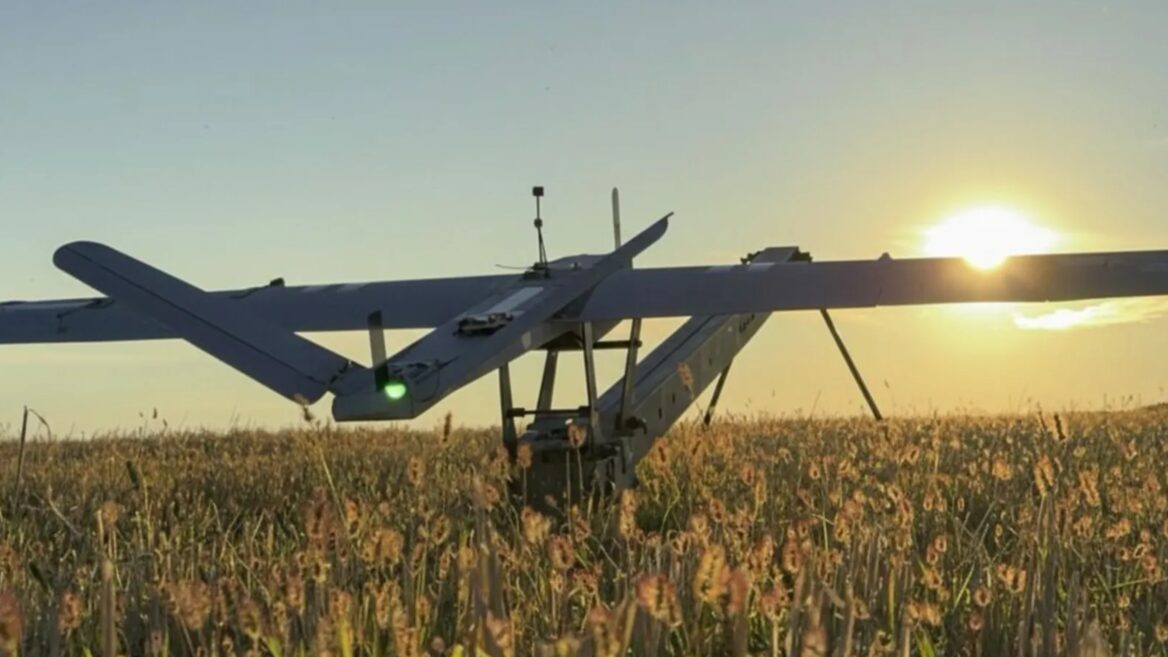
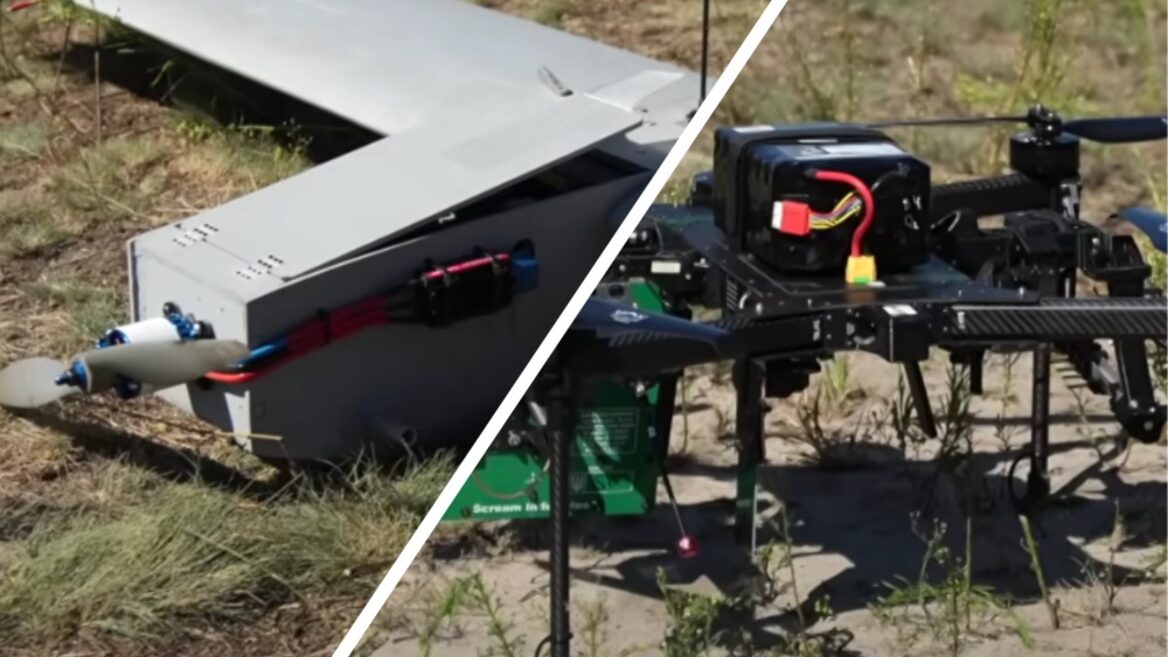
One of the main innovations was the "Blyskavka-1" - a Ukrainian strike drone, created after studying the captured Russian "Molniya" and improved in accordance with modern operational requirements. The inexpensive and practical platform has already become widespread among the units of the Armed Forces of Ukraine, and now its use can be practiced in a simulator.
"Blyskavka-1" became the first twin-engine drone in Obria. In the simulator, it develops a speed of 70 km/h and supports Alt Hold, Angle and Acro modes. The drone can carry TM-62, but the best dynamics in the virtual model are demonstrated with a combat load weighing 2.8 or 5 kg.
This allows operators to compare the platform's behavior with different loads, feel its inertia, and practice controls at different speeds and flight modes.
Along with the Lightning-1, a fictional Deepstrike model has been added to the Obrium for heavier-duty scenarios. It carries a 9.5 kg TM-62, flies at speeds of up to 120 km/h, and supports Manual, Stabilize, and Cruise modes.
"Molniya-2": a new target for small air defense scenarios
Russian Molniya-type strike drones actively appeared on the battlefield in 2024. These are relatively cheap aircraft-type drones capable of operating on equipment, logistics, and rear positions. One of the common modifications was the enlarged Molniya-2 - a relevant medium-range threat that needs to be detected, tracked, and intercepted in a timely manner.
In Obria, this target is available in the Obria Anti-Shahid version, created to train operators to counter Shahed and other air threats. The radar module implemented in it takes into account the radio horizon, forms target tracks on the tactical map, and integrates with radar simulators. This allows you to work out the entire cycle of small air defense operations — from detection and tracking to the decision to intercept.
In the latest update, working with air targets has become even more accurate. Radars now take into account the effective scattering area of objects, and multiple radars can be used in one scenario. The logic of collision and target destruction has been refined, the Shahed thermal detection range has been increased, and control inversion for multi-rotor interceptors has been added.
What else has changed?
In addition to the appearance of "Lightning-1" and "Lightning-2", the update adds a number of changes that make the scenarios of detecting, tracking, and intercepting air targets more accurate and closer to real-world conditions.
The simulator also featured a MilELRS electronic reconnaissance system and a new enemy target — a ground station that can be detected by its radiation.
Separately, the dynamics of the Shaker Hunter, Middle Strike, and VB-140 Lightning aircraft, stall and spin mechanics, wind effects, and aerodynamic models of the Sting and Kraken interceptors have been refined.
All these changes bring training closer to the real logic of a combat mission - from the first detection of a threat to decision, action and analysis of the result. Tactics, technologies and methods of countermeasures change every day, so the experience gained on the battlefield yesterday must become knowledge for others tomorrow.