Валентин ШнайдерScience Pop
10 September 2025, 10:00
2025-09-10
Scientists predict that by 2100, humans could have hunchbacks, claw-like hands, and smaller brains
Technology could radically change the human body by the end of the 21st century. Scientists have created a 3D model of the future human, which shows how constant use of smartphones and computers will affect our health.
Technology could radically change the human body by the end of the 21st century. Scientists have created a 3D model of the future human, which shows how constant use of smartphones and computers will affect our health.
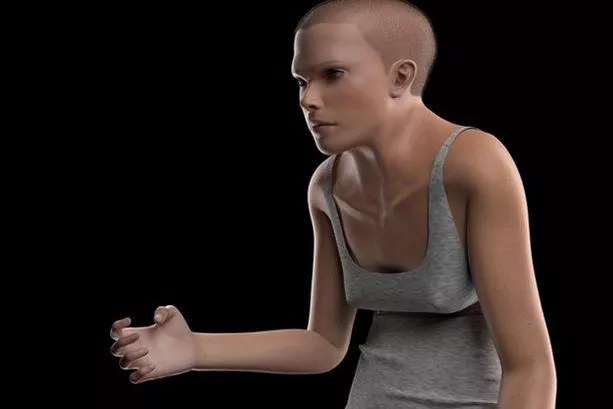
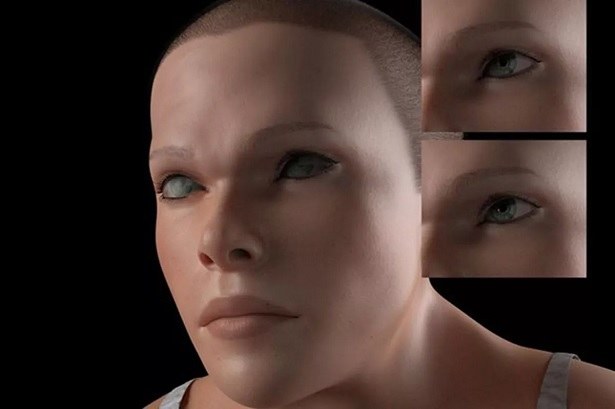
According to the Daily Star, researchers from TollFreeForwarding, together with experts in the field of health and technology, have created a visual 3D model of «Mindy» — an image of a person in 2100. It is supposed to show how the daily use of smartphones, computers and other digital technology can affect our bodies. The idea was to clearly demonstrate what changes can await a person of the future due to constant problems with posture, exposure to radiation and a sedentary lifestyle.
What will the «man of the future» look like?
According to forecasts, after years of sitting in front of screens, people may develop a permanent curvature of the spine. To compensate for the incorrect posture, the neck muscles will increase, and the skull will become thicker — to protect the brain from the radiation of gadgets. At the same time, the brain may shrink due to a sedentary lifestyle.
Experts also predict «text claws» — hand deformities from constantly gripping smartphones. Doctor Nikola Djordjevic explained that this can cause cubital tunnel syndrome, which manifests as pain in the forearms and numbness in the fingers.
Another possible adaptation is an additional eyelid fold to protect the eyes from excessive light exposure.
Why the brain may become smaller
Scientists cite a theory that brain size may decrease as survival no longer depends on physical strength. In the future, they believe, technologically savvy humans will be successful, leading to an overall decrease in body and brain size.
«Technology brings us comfort and connectivity, but at the same time we pay for it with our health,» emphasized Jason O’Brien of TollFreeForwarding.
Such theories have already sparked debate among scientists and doctors. Some consider these changes too speculative, while others emphasize that modern habits are indeed creating new problems for the musculoskeletal system, vision, and mental health.
Regardless of the predictions, the study once again emphasizes the need for a balance between technology and human health — and reminds us that prolonged sitting over a smartphone or laptop already has real consequences for postural and cognitive functions.
Previously, dev.ua also wrote about how in the future AI systems will be able to control people as easily as an adult can bribe a 3-year-old child with candy, warns Jeffrey Hinton, known as the «godfather of AI.»
The CEO of IT company DevRain shared his thoughts on the future of generative AI — it won’t take away software developers' jobs, but QA could get there