Хочете будувати кар’єру в Data Science та AI? Vodafone Big Data Lab відкриває новий набір —>
Валентин ШнайдерAround IT
6 February 2026, 15:37
2026-02-06
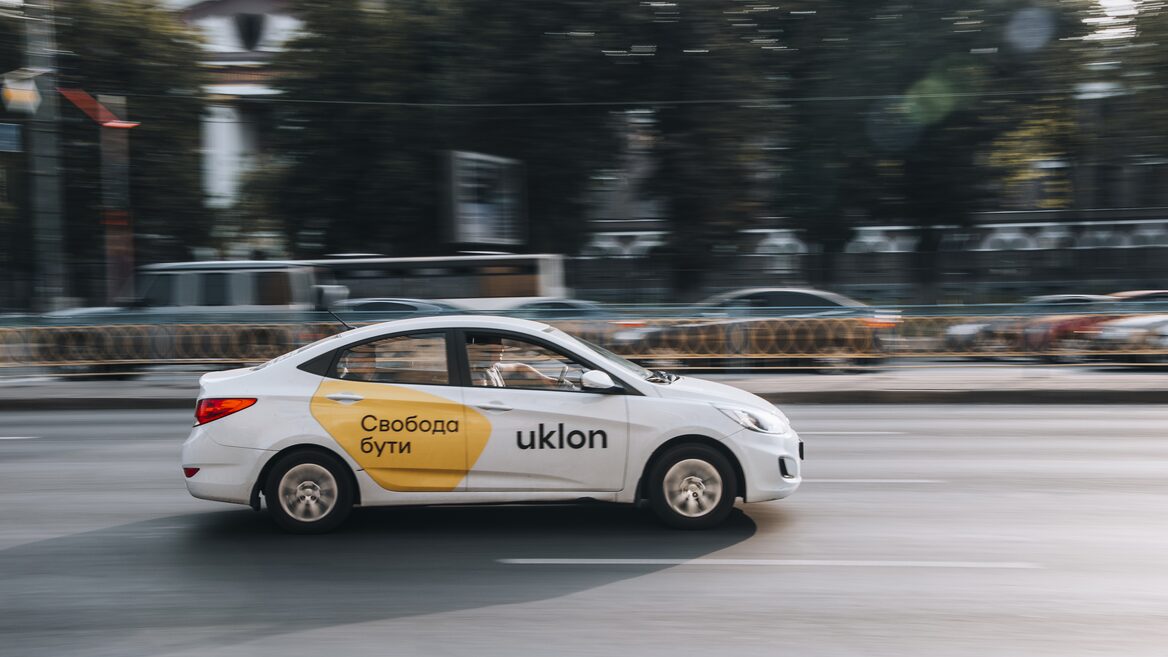
From February 7, Uklon will operate 24/7 in seven more cities in Ukraine
The Uklon service is expanding nighttime availability: starting February 7, you will be able to order rides 24/7 in Kharkiv, Zaporizhia, Dnipro, Kryvyi Rih, Mykolaiv, Sumy, and Chernihiv.
The Uklon service is expanding nighttime availability: starting February 7, you will be able to order rides 24/7 in Kharkiv, Zaporizhia, Dnipro, Kryvyi Rih, Mykolaiv, Sumy, and Chernihiv.
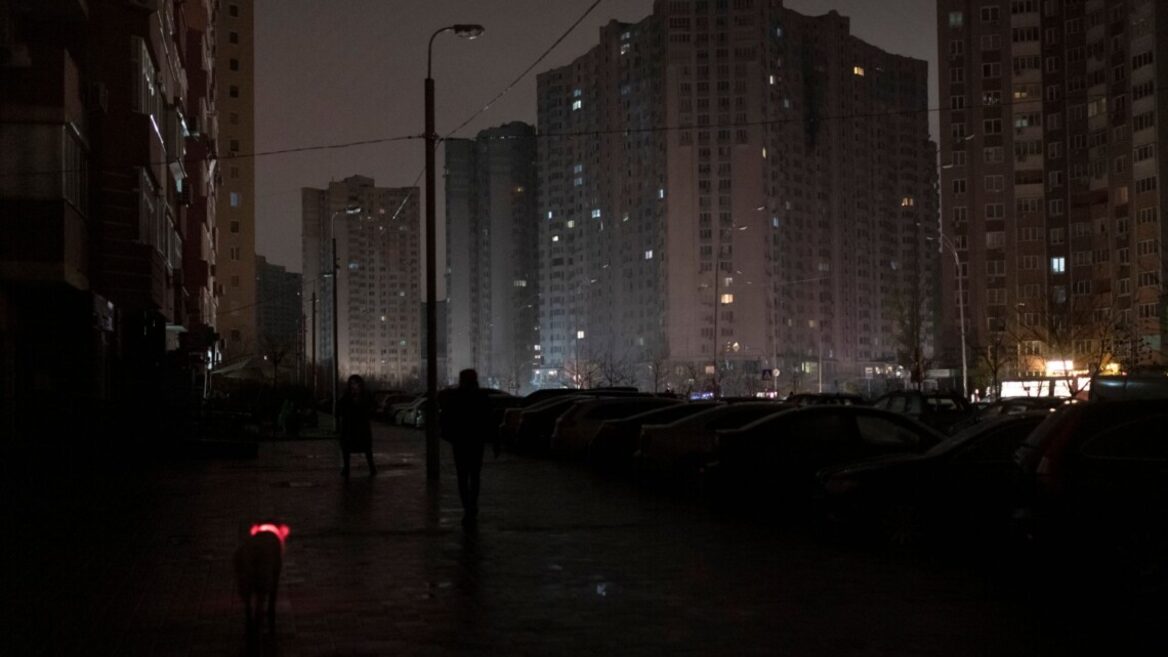
This is reported by the official Telegram channel Uklon Driver. The company explains the decision as a response to the appeal of the President of Ukraine and the government resolution on overcoming the consequences of the emergency situation in the energy sector. The post emphasizes that during outages and general instability of the energy system, a night trip sometimes becomes not a service «for comfort», but a way to get to critically important points — checkpoints, a hospital or a train station, as well as quickly deliver medicine to relatives or loved ones.
Uklon also provides a full list of cities where the service is already operating 24/7. It includes Kyiv, Odesa, Lviv, Dnipro, Kharkiv, Zaporizhzhia, Mykolaiv, Sumy, Chernihiv, and other regional and large cities, including Bila Tserkva, Vinnytsia, Zhytomyr, Ivano-Frankivsk, Kamianets-Podilskyi, Kamianske, Kremenchuk, Kropyvnytskyi, Lutsk, Poltava, Rivne, Ternopil, Uzhhorod, Khmelnytskyi, Cherkasy, and Chernivtsi. After the expansion from February 7, the 24/7 mode will cover 26 cities.
A separate block of the message concerns the curfew. Uklon emphasizes that to work during this time, drivers need passes in all cities, except Kyiv and Uzhhorod. For Kyiv, an exception is indicated: a pass is not required if the trip is to points of inviolability or heating. The company adds that it will inform drivers in case of changes in the decisions of the regional military administrations.
After massive attacks on energy supplies during various periods of the war, cities regularly went into emergency or stabilization blackouts. On such days, nighttime mobility often depends on a combination of several factors — transport availability, curfew restrictions, and local regulations for carriers and drivers.