Хочете будувати кар’єру в Data Science та AI? Vodafone Big Data Lab відкриває новий набір —>
Валентин ШнайдерWar
11 February 2026, 18:25
2026-02-11
Military TsMTR created a simulator "PROYAV" for training electronic warfare and intelligence specialists
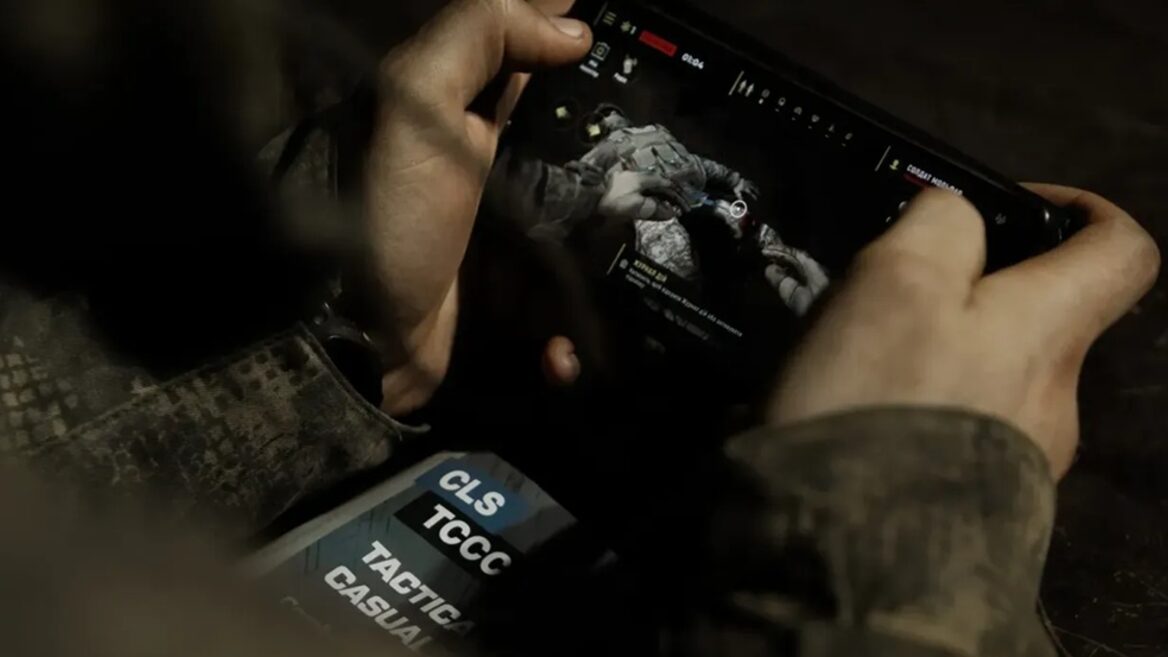
The Center for Scaling Technological Solutions has developed the virtual system «PROYAV», which helps train specialists in electronic warfare and reconnaissance in an environment that is as close to real conditions as possible.
The Center for Scaling Technological Solutions has developed the virtual system «PROYAV», which helps train specialists in electronic warfare and reconnaissance in an environment that is as close to real conditions as possible.
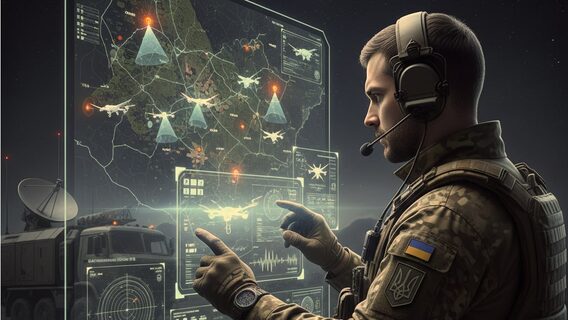
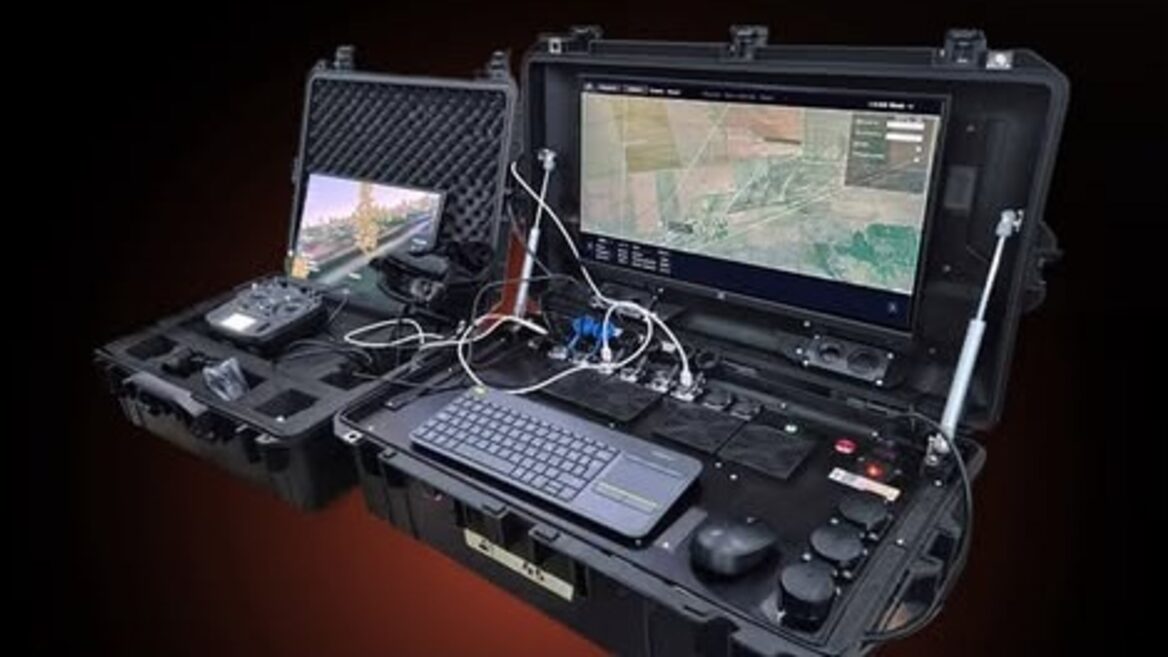
According to DOU, the simulator was created for about two years based on the combat experience of the military. «PROYAV» in a virtual environment completely reproduces the interfaces of popular electronic warfare and electronic warfare systems and allows you to practice their deployment, taking into account technical nuances and features of positions. The program also provides for maintaining a knowledge base about enemy UAVs, as well as the creation of individual training scenarios: you can generate signals and configure the routes of objects for training.
The developers explain that the software can be installed both on individual computers and in training classes. The transfer takes place on special media, and the military unit must send an official request to the Central Military District. Special emphasis was placed on the ability to create your own exercises, configure routes and target signal parameters so that the training meets the tasks of a particular unit.
The CMTR adds that «PROYAV» should address the problem of the lack of real equipment, which is especially noticeable in newly created units. The idea is that training should not stop due to a shortage of equipment, and operators should practice deployment and work procedures in a safe format before entering real complexes.
Electronic warfare and reconnaissance directly depend on the operator’s skills, speed of deployment, and ability to work in countermeasures. Training simulators allow you to scale training, reproduce typical threat scenarios, and more quickly bring basic algorithms to automatism without the risk of losing expensive equipment during the training phase.
Previously, dev.ua wrote about how Desna is preparing VR training for anti-aircraft gun crews to practice aiming and firing without spending ammunition and equipment resources. The ZU-23 simulator project will be implemented by Ukrainian company Atmaraksi.