Хочете будувати кар’єру в Data Science та AI? Vodafone Big Data Lab відкриває новий набір —>
Ігор Вишневський War
9 August 2025, 12:15
2025-08-09
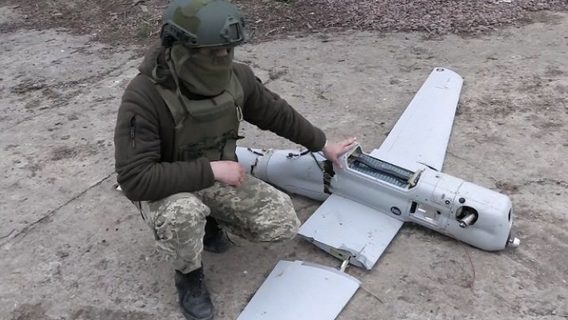
“We can’t find ways to protect our cities from some of the strike UAVs because not all the samples reach us. They sold them for $5,000, then for $10,000.” Military “Flash” said that downed enemy UAVs are being sold en masse as trophies. Why is this a problem
Military and communications and UAV expert Sergey «Flash» Beskrestnov said that samples of enemy UAVs that have been shot down or suppressed by electronic warfare are sold en masse for significant sums of money as trophies, so they often don’t even have the opportunity to properly study them. And this creates big problems, especially when it comes to new modifications of Russian UAVs, about which not much information has been collected.
Military and communications and UAV expert Sergey «Flash» Beskrestnov said that samples of enemy UAVs that have been shot down or suppressed by electronic warfare are sold en masse for significant sums of money as trophies, so they often don’t even have the opportunity to properly study them. And this creates big problems, especially when it comes to new modifications of Russian UAVs, about which not much information has been collected.
«Soldiers sell trophies to private individuals, depriving all structures and departments of the opportunity to study them. We have not been able to find ways to protect our cities from some strike UAVs for a long time, because not all samples reach us. Sometimes they were sold for $5,000, sometimes for $10,000,» Flash wrote on his Telegram channel.
According to him, law enforcement agencies cannot help resolve the situation, because legally there is no crime involved. At the same time, as «Flash» says, military agencies do not have the cash to buy back the trophies.
«They are destroying our city, people are dying… But some asshole has an airplane hanging on his wall,» Serhiy Beskrestnov commented on the problem.
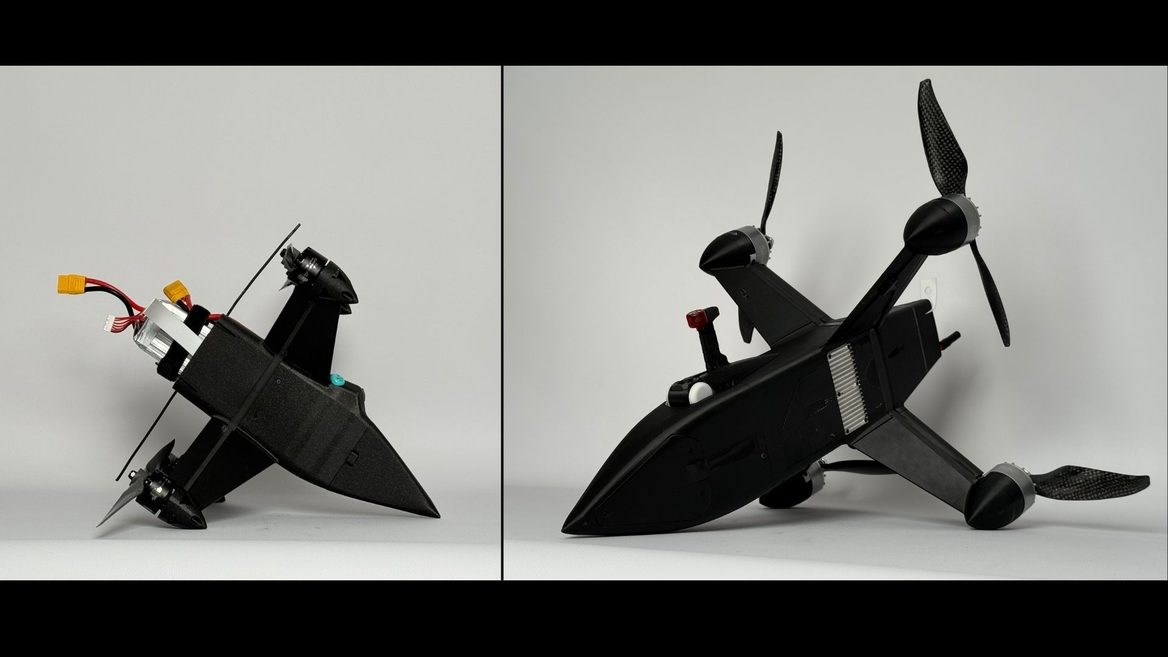
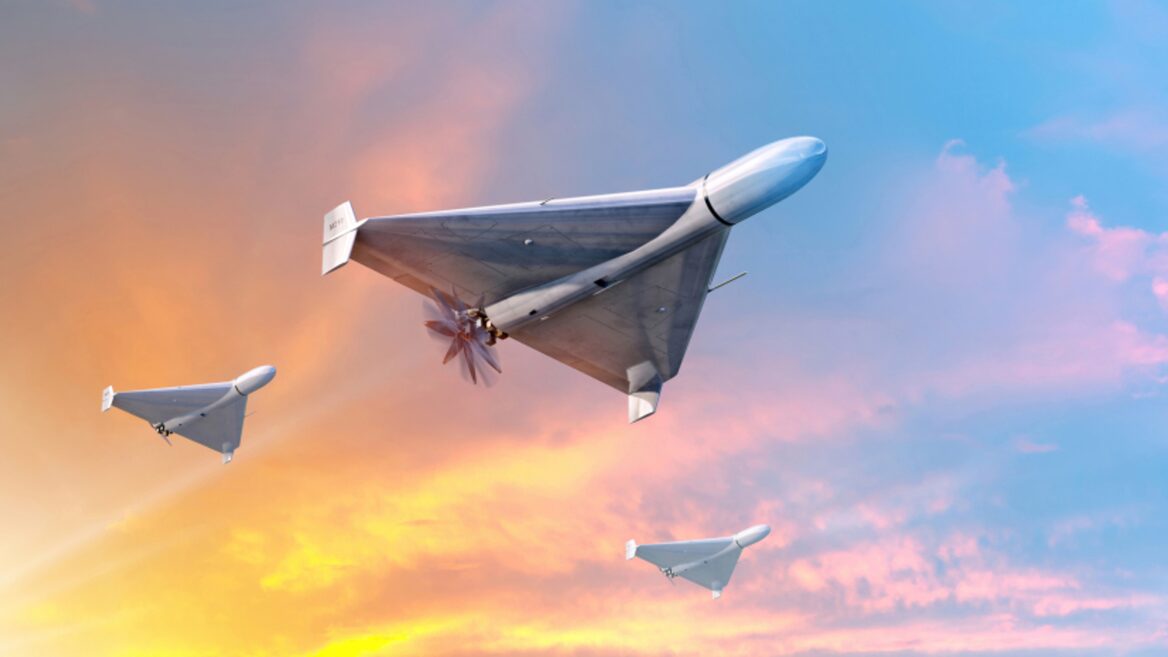
Sergey «Flash» Beskrestnov previously claimed that components found in a new Russian drone, which resembles a scaled-down «Shahed,» indicate the occupiers' desire to make them radio-controlled and add the ability to exchange data with each other.