Хочете будувати кар’єру в Data Science та AI? Vodafone Big Data Lab відкриває новий набір —>
Ігор Вишневський War
15 July 2026, 09:00
2026-07-15
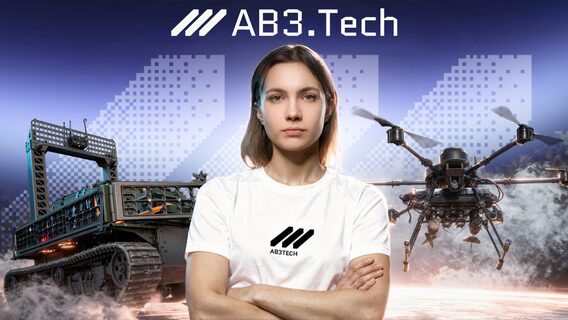
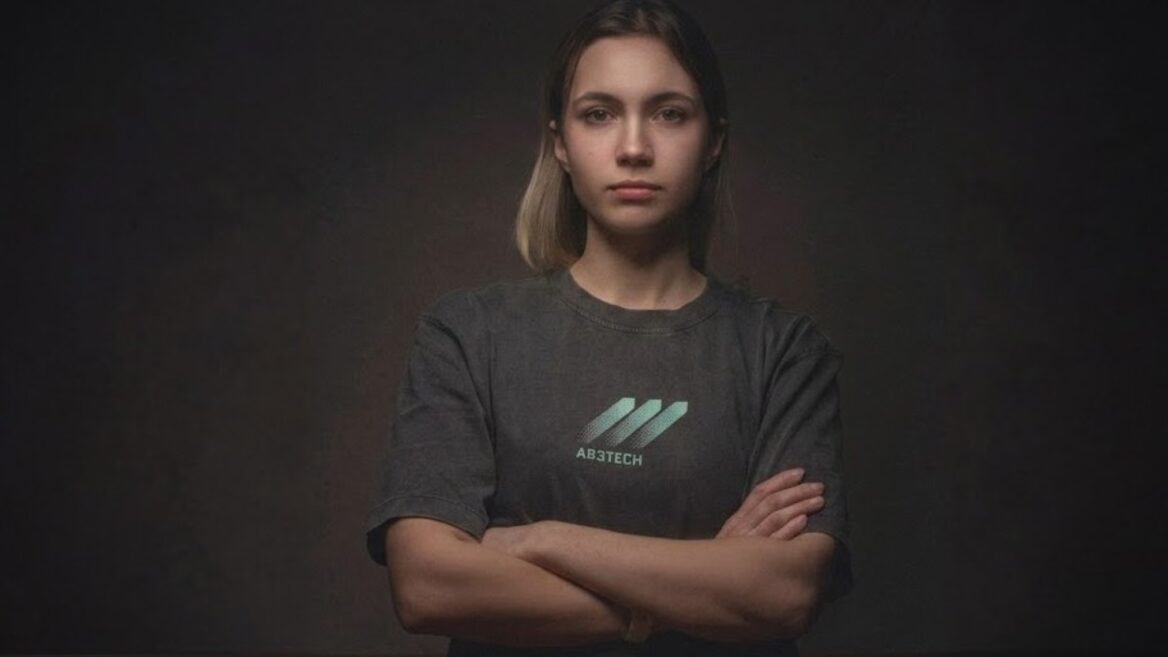
From Data Science and Investment Banking in the US to Hospitaliers and Third Assault in Ukraine. Victoria Honcharuk headed AB3.Tech: what are the tasks of the new CEO in the new structure
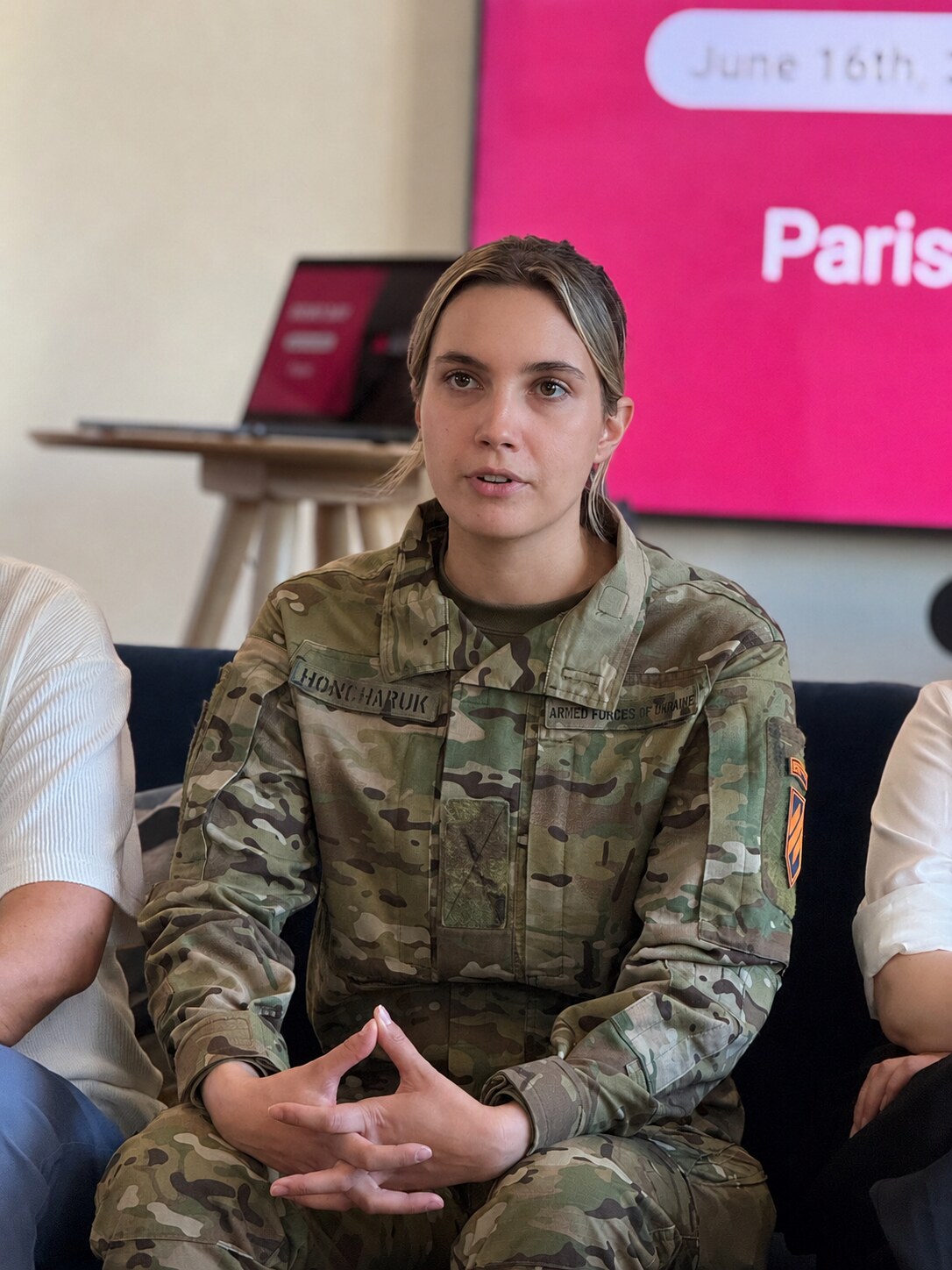
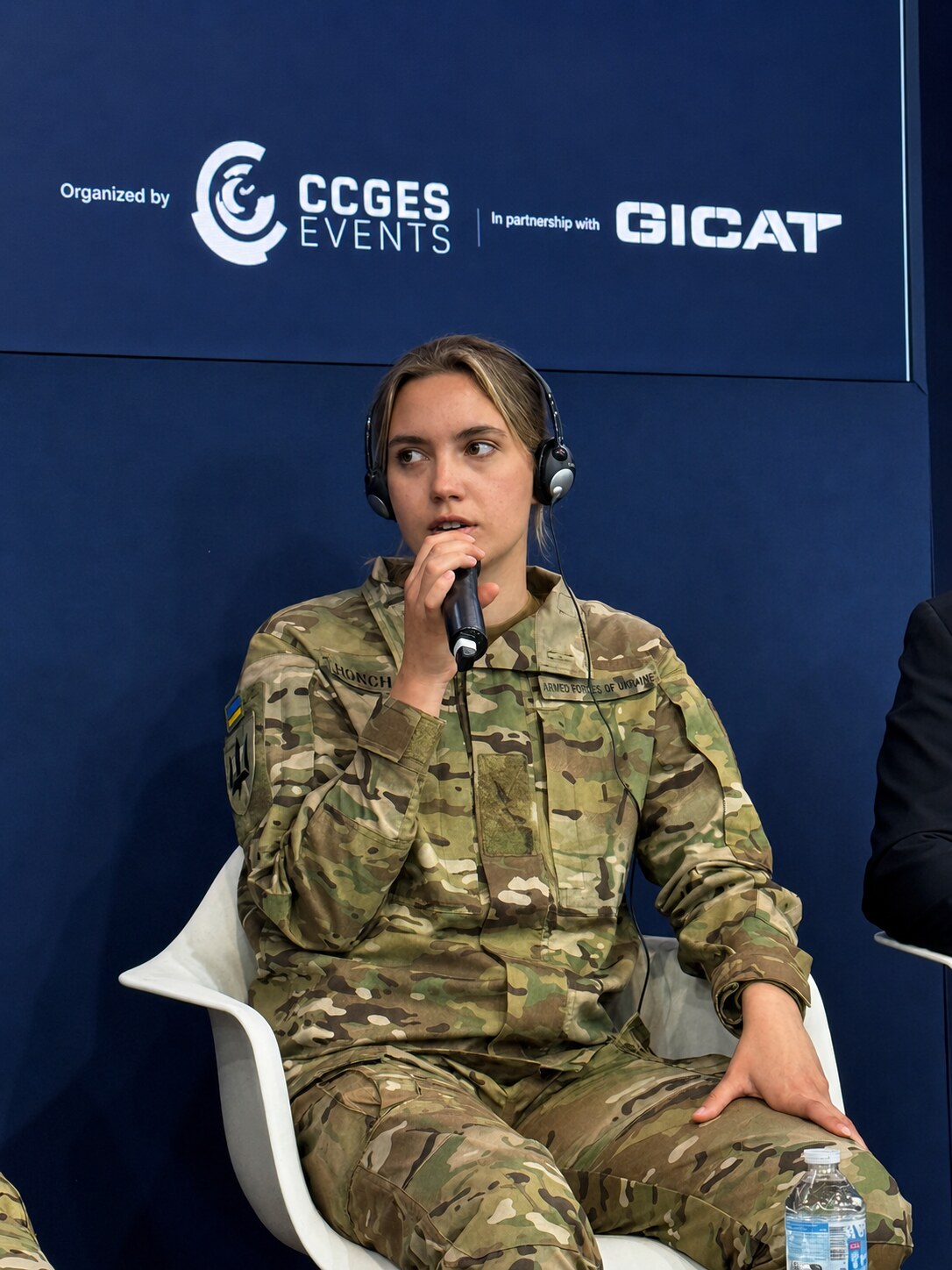
In early June, military medic Victoria «Tori» Honcharuk took over as head of AB3.Tech, a defense technology partnership platform created by the Third Army Corps. Within weeks, she was heading to her first major international event in her new role, one of the largest defense events, Eurosatory 2026, in Paris.
Immediately after returning from the forum, where AB3.Tech reached important agreements with foreign defense companies, Viktoriya found time to talk to a dev.ua journalist. We asked her in detail about her tasks at AB3.Tech, the role of the platform in establishing connections between deftech manufacturers and the military, as well as her combat path and previous background.
In early June, military medic Victoria «Tori» Honcharuk took over as head of AB3.Tech, a defense technology partnership platform created by the Third Army Corps. Within weeks, she was heading to her first major international event in her new role, one of the largest defense events, Eurosatory 2026, in Paris.
Immediately after returning from the forum, where AB3.Tech reached important agreements with foreign defense companies, Viktoriya found time to talk to a dev.ua journalist. We asked her in detail about her tasks at AB3.Tech, the role of the platform in establishing connections between deftech manufacturers and the military, as well as her combat path and previous background.
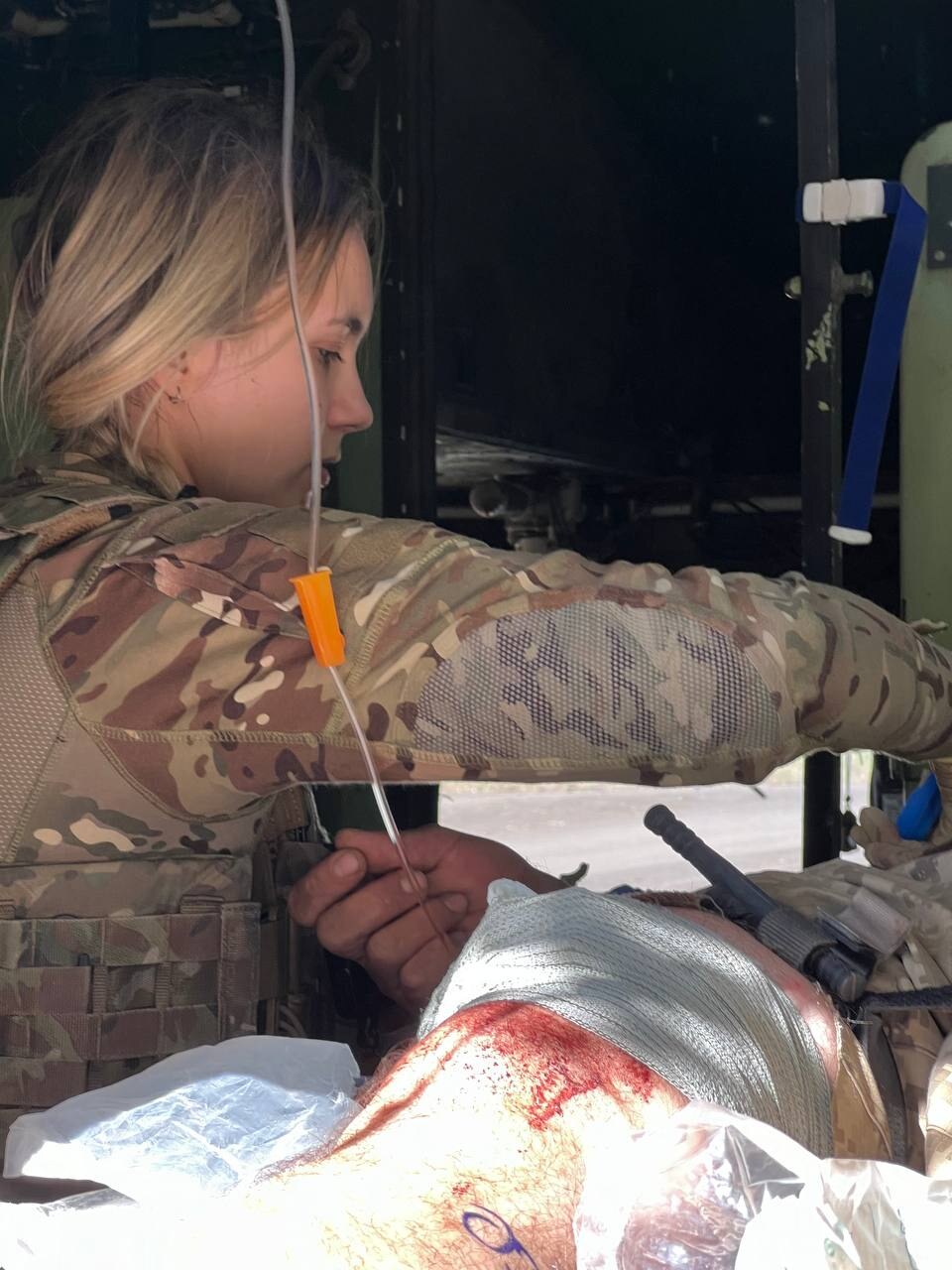
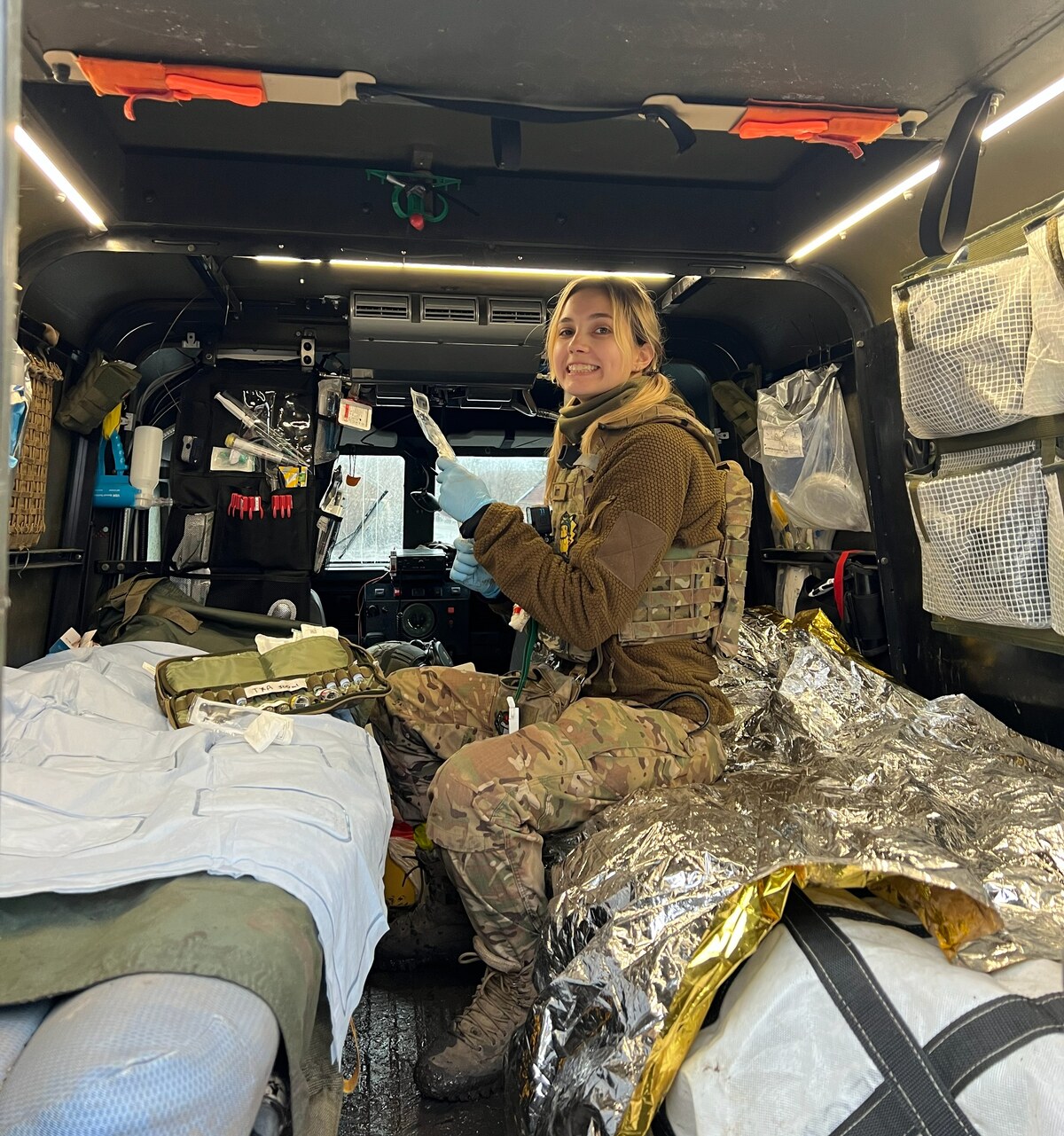
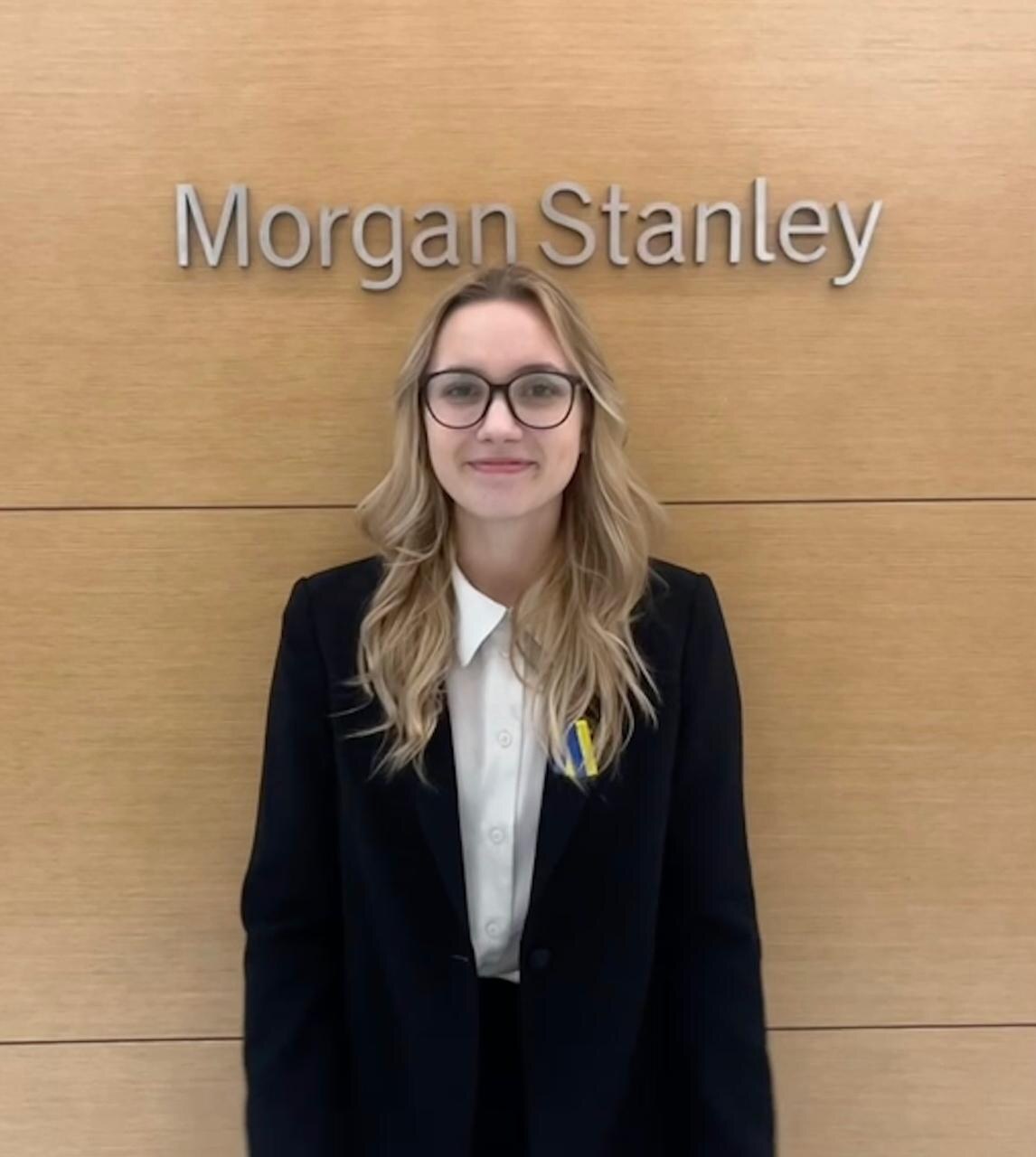
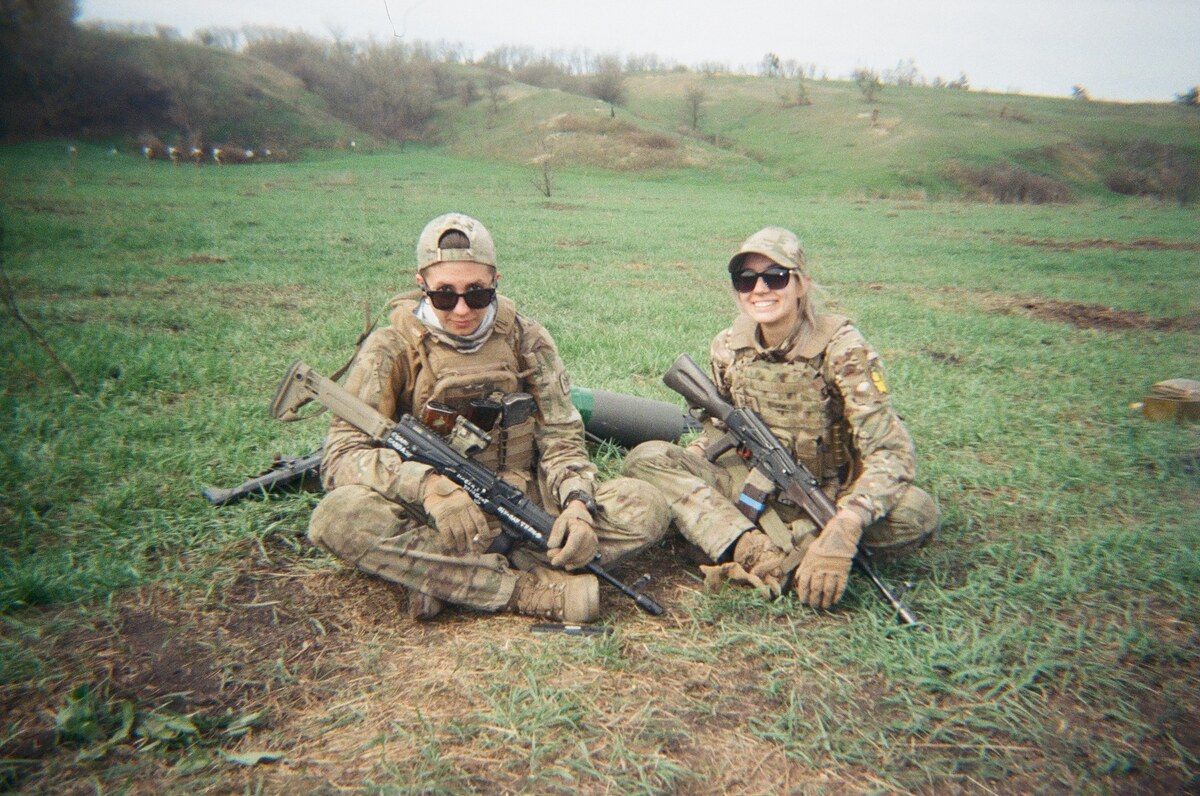
Recall that after the start of the full-scale operation, Victoria Honcharuk returned from the USA, where she received her education and had already managed to build a successful career in finance, being an investment banker at Morgan Stanley. In Ukraine, she went to the front as part of the Hospitallers, evacuating the wounded from the battlefield, and then as a military medic joined the Third Assault. She also headed the defense technologies department at the Snake Island Institute for some time — a center for defense analytics and innovations, which aims to develop international partnerships for Ukraine in the defense sector. But — about everything else in turn, and from the words of Victoria herself. Next — her direct speech.
What was brought from Eurosatory
This was not my first personal participation in Eurosatory, because two years ago I went there on the initiative of NC13 — the newly formed platoon of the NRC of the 2nd assault battalion of the 3rd Infantry Brigade. But it was really my first major international event precisely in the role of the director of AB3.Tech. This year we visited the event not just to present our activities, but also with more practical tasks.
For example, a few weeks ago we conducted a crash test on the detection of drones on fiber optics by radar, acoustic and visual sensors, because this is one of the acute problems on the front lines. And one of the practical tasks for us was to understand what solutions currently exist to overcome this problem not only among domestic but also foreign companies.
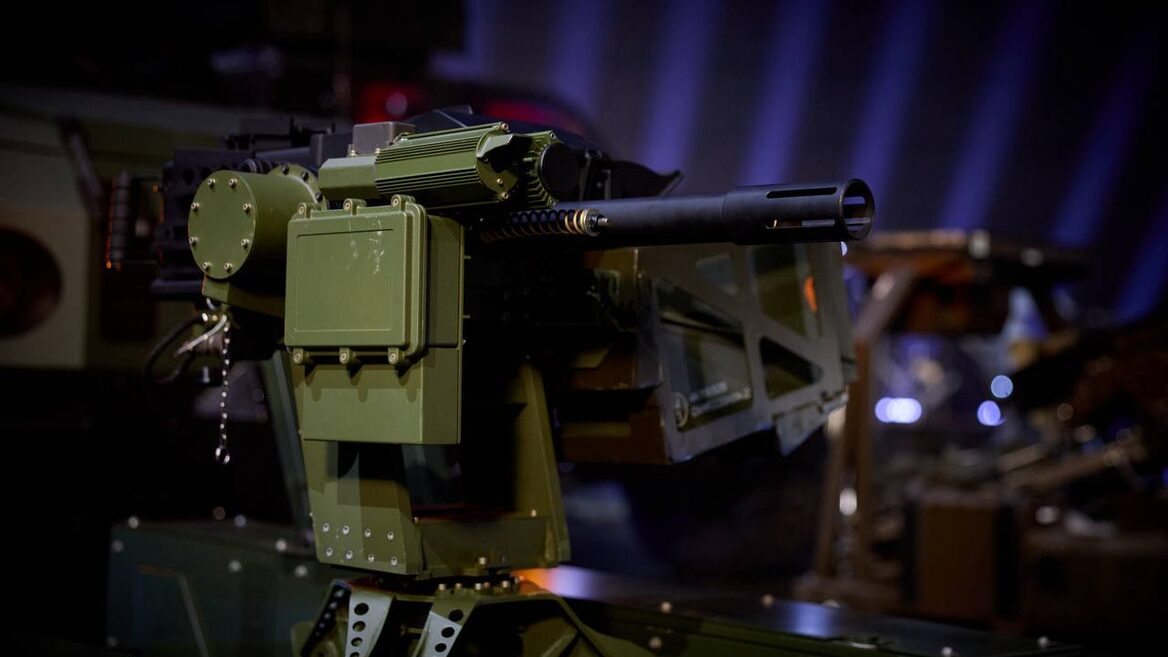
Therefore, first of all, we scouted available technologies, communicated with manufacturers and agreed to continue working with a number of international companies on the potential application of their solutions in combat conditions. Another quite practical task is to present a project that was previously initiated by the Third Army Corps and scaled up by the Ukrainian private company UkrArmoTech. We are talking about a new ground complex — both its logistical and strike versions, which were developed based on the experiences of the Third Army Corps soldiers. Thus, we have already presented one of the AB3.Tech public partnerships that we have regarding the scaling up of our developments.
One of the goals of the event is to find more such partnerships, and I think we have fulfilled it. We have reached preliminary agreements on the transfer of certain technologies for testing, including to foreign companies. We are not naming them yet, but announcements will be made later.
As for my overall impressions, two years ago, the Ukrainian miltech presentation at Eurosatory was as modest as possible: the Ukrainian pavilion had about a dozen companies and took up little space. This year, Ukraine really looked like a center of global miltech expertise, and I really liked this change. The only thing I would like to improve and change is to involve the Ukrainian military themselves in such events much more. Not only manufacturers, but also the Ukrainian military form our defense-tech system, and they have something to say. And this year, apart from us, we saw only representatives of the SBS and the National Guard. We will change this.
Behind the scenes of hiring and finding people for the team
AB3.Tech was formed as a separate project initiated by the Third Army Corps. At the same time, it is not a unit of the Third Army Corps in the traditional sense. This project has been prepared behind the scenes since the fall of last year and has only now truly entered the public space.
dev.ua asked Victoria «Tora» Honcharuk whether she was personally offered to head AB3.Tech by the commander of the Third Army Corps, Brigadier General Andriy Biletsky.
This was initiated by the command of the Third Army Corps. As for Andriy Biletsky, he is the direct initiator of a number of projects, and, of course, was directly involved in the formation of AB3.Tech. It is thanks to his position, I think, that the Third Army Corps has so many tested automated strike systems on the front line.
As for the current AB3.Tech team, it is currently quite small and is focused primarily on creating this operating institution itself.
We are looking for people both within the Third Army Corps and across the Defense Forces. We also invite civilians.
In particular, we are looking for specialists who can be leaders in various areas, as well as specialists with an engineering background who could be defense analysts. We actually have a lot of positions open, and for military personnel, they may be available through transfers.
«I agreed to do something else only when I realized: medevac as I know it no longer exists»
We ask Victoria to talk about her military and civilian background, as well as why she changed from medevac to activities related to military technology.
After returning to Ukraine, I joined the Hospitallers, but about eight months later, I began working exclusively with the Third Assault Brigade. My crew worked with the second assault battalion of this brigade, which is the unit where my sister serves. Thus, since the summer of 2023, I have been working exclusively with the Troika, and over time I joined it as a soldier.
In fact, the decision to head AB3.Tech was largely a result of my experience in medical evacuation. When I came to the war, medical evacuation was key in saving lives. For a very long time, working with my hands on the front lines, saving life or limb, was the most productive work for me. But over the three years of the war, the nature of the fighting changed very much.
Now the battlefield has become as transparent as possible due to unmanned systems. And the classic model of medical evacuation no longer works. Medevac is dead and will never be the same again.
We no longer live in the reality of this «golden hour» that everyone used to talk about. Many wounded cannot be evacuated in time due to the constant threat from the air. The doctors during the evacuation no longer have the opportunity to really influence the outcome, and many of our soldiers die before we can reach them. For me personally, this was a very painful conclusion that I did not want to accept for a long time.
Just a few episodes from last year. We had three heavy 300s, we drove two crews to pick them up. They were in critical condition. When we arrived, only one was alive, the other two died on the way. The next day, I drove the crew alone to pick up the heavy 300. But he also died literally a few minutes before I picked him up. Such episodes began to repeat themselves quite often, and successful evacuations became rare.
So you start to think that the best evacuation is the one that is not needed at all. Of course, we can’t make our fighters not even three hundred — we don’t live in an ideal world. But the very principle of saving lives on the front line has to change, because the conditions of war are changing.
It was very difficult for me to leave the battlefield and it was difficult to accept it mentally. This decision was more than a year in the making, although all the time people around me said that I could be more useful in another role. Someone always joked that having me on evacuation was like hammering nails with a microscope.
Well, the problem was never rational arguments — the truth is that it was really hard for me to mentally let go of the front and it was really hard to leave those with whom I went through all this. After all, war gives an extremely strong connection with people. So I agreed to change my field only when I finally understood: medevac as the activity that I was engaged in before and as I know it, no longer exists.
«My educational major was related to AI even before the term became popular»
More than a year ago, I joined the team that was building the Snake Island Institute project — a military think-tank, analytical and coordination center that aimed to strengthen the institutional influence of the Ukrainian defense industry abroad.
There I was the director of the defense technology department, so the position of CEO of AB3.Tech is not a globally new role in the defense-tech field for me. In addition, although my work before the full-scale war was related to the field of finance, I have a higher education in computer science. That is, I have been working with technology for a very long time, and my educational specialty was related to artificial intelligence even when this term had not gained wide popularity.
When I received my diploma, the term «artificial intelligence» did not yet exist in the current sense, then our curriculum was called Data Science and Statistics.
But the same diploma that people from my university receive is now issued with a specialization in «artificial intelligence.»
Additionally, I worked in the technology sector before my experience in finance.
While still studying, I started working as Head of Data at a Californian startup.
Our goal was to teach other startups how to properly work with the data they can collect from their users every day. I also thought about going to academia, to research in the field of artificial intelligence, because I really like using data analysis to improve business decisions. But I still chose investment banking as my field of activity.
«My sister is a role model. I look up to her and do what she does.»
Before I joined the Defence Forces, everything I knew about medicine was from my sister, who was the first to join the defence of the country.
I was a city girl, living in New York, going to the office, sanitizing my hands five times a day, afraid of blood, and hating getting injections.
But many military personnel will confirm and understand — you feel the need to be connected to something much bigger than yourself: the national idea and the defense of your own land. Then you stop thinking about such small things as blood, pain, and fear.
So when I first arrived on location, I had no medical experience and only a week and a half of basic training. Everything I know, I learned on the front lines in the Zaporizhia direction.
The fear of blood and injuries went away when I realized that between me and the wounded person I was treating, between his life and death, only I stood.
If I don’t disconnect from my own fears and start doing everything I know and can, this person could die. You get used to blood and even serious injuries and just accept it as your job. The war forced you to adapt very quickly.
Of course, at first, given the minimum experience and knowledge in the medical field, I was very afraid of doing something wrong. But for a certain period of time at the beginning I was with a much more experienced person who, in principle, taught me everything. In addition, I am a very big overthinker, so I read as much information on this topic as possible, and also often stayed at the emergency room in order to study the experience of more difficult operations that I could potentially do. The skills came relatively quickly, because I have an excellent student syndrome, and I learned everything I could very quickly. I also tried to have all the best things in my car, many of which I bought myself, because they are not issued and are usually not in standard cars. But I wanted to have everything to save a life that could be.
As for my sister, she joined the defense on the first day of the full-scale invasion and has come a very long and difficult way.
I knew she would make this choice before the full-scale one, because we had talked about it a few days before the invasion. So she supported me when I called and said I wanted to go to Ukraine and join the Defense Forces.
There was silence on the phone for three seconds, and then she said, «Okay, I’ll help you with whatever you need.»
Moreover, my sister also started with medical evacuation, and then she switched to the infantry and was in an assault unit for a long time. I think my sister showed the way for many women in the army, because at the beginning of the war it was something quite unusual and even unbelievable. She is a role model for women in the army. I look at her and do like her.
Evacuation and work at AB3.Tech: different tasks, but one goal
As I said, the best evacuation is the one that is not needed at all. So the Third Army Corps and the Ukrainian Defense Forces in general have come to increase the use of robotic complexes in a number of tasks in order to save people’s lives. Here, by the way, data analysis also comes to the fore. After all, if we analyze our statistics at that time, we understood that an extremely large number of injuries occur precisely during logistics and evacuation missions.
Of course, during assaults, this is a separate statistic, of course. But during defensive operations, we understood that a large part of the wounded were simply lost during logistical missions — going to get BC or food — or evacuation missions, when someone was three hundred, and it was necessary to attach two or three other infantrymen who would drag this three hundred to the evacuation point. We know very well that the enemy likes to target fire on evacuation missions.
And at some point, the Third Army Corps had an idea — why don’t we use robotic systems to reduce the amount of time our infantrymen spend between positions.
The next step for the introduction of robotic complexes was already in the strike sphere through the use of robotic turrets and kamikaze IEDs.
But it was dictated by the same thought — how can we reduce the number of wounded and dead fighters on the front line. Strike missions are, first of all, about destroying enemy positions that were difficult to storm with infantry alone. But it is also difficult to destroy them with just FPV, because drones have a much smaller warhead load.
One of the first such examples was last year, when, using a robotic complex, a company of NC13 assault rifles from the Third Army Corps captured two enemy infantrymen and seized their position. Incidentally, this position had previously been unsuccessfully attempted by adjacent forces several times.
This was an indicator that we could save the lives of our people not only in defense, but also in assault operations.
That is, my mission, as I see it globally, has not changed — only instead of medevac, I think about how to save the lives of our people on a more global scale through technology.
About the main vectors of AB3Tech’s work. «We never say it’s bad that something doesn’t exist. If something doesn’t exist, we simply create it»
We have two directions, internal and external. First of all, it is worth realizing that we are not R&D, because we have long had our own strong R&D within the corps in various units. I know that your publication has already spoken with «Dolyna», the commander of the R&D unit in the 21st OP Bps «Kraken 1654». It is such units that identify technical problems, create solutions, consider prototypes, test them in combat conditions, etc.
But for us, as a platform, the main challenge is to transform these promising developments of our R&D into larger-scale combat capabilities for both the corps and the Defense Forces of Ukraine in general.
That is, our task is to connect internal engineering teams with those institutions, organizations, and people who can provide financial and scientific support, to implement partnerships in the field of production capacities. These are capabilities that are impossible and simply unrealistic to provide within each individual R&D unit.
Before our creation, different teams of the corps tried to solve one or another of these tasks in parallel. But we are talking about building some kind of systemic cooperation, and not duplicating efforts, not wasting resources, and not wasting time. A project was created for this.
I would say that AB3.Tech is being created as a single mechanism for engaging civilian capabilities in the field of military technologies.
This is our first internal focus. Our task is to ensure the development, scaling and implementation of our internal developments. This is what concerns the internal direction.
But there is also an external one, and it also offers a lot of opportunities. It is through the external direction that we want to implement our partnerships through a system of challenges, which we will launch at the end of this summer. We will make a separate announcement on this matter.
The overall goal of external cooperation with deftech manufacturers is to finalize their solutions as quickly as possible, which involves testing in real combat conditions. AB3.Tech aims to ensure systemic interaction between the military and manufacturing companies. What was it like before? Any manufacturer or inventor can call a serviceman with the question: «Hello, how is my drone working?»
And if at first it was normal, now it is wrong to burden military personnel who have their own separate tasks with this.
A serviceman, who is not actually responsible for this, should not receive 100 messages a day in chat rooms from different manufacturers with questions like «How does my interceptor or NRC work?» Servicemen should be engaged in specialized work and not be distracted by other things.
Therefore, the Third Army Corps has come to the conclusion that deftech manufacturers should work directly with a designated structure, help them test their products correctly and receive systematic feedback. The military does not have time to make analytical reports on these products, it is not their job. But we can do it. The company that tests its product should also be interested in our work, because instead of a response from the military like «you have a normal drone,» they will receive an analytical report on the testing of the technology.
Our task is to create, in essence, a new model of cooperation between the military and civilians in the field of defense technologies, which does not currently exist. Although we see examples of such cooperation in the Western world, where there are projects such as the Defense Innovation Unit in the USA and NATO Diana. In Ukraine, there is no such system yet, but Ukraine is a completely different unique case, where our main goal is speed. We need to get the technologies that are needed at the front as quickly as possible. Therefore, our task is to create this system and show an example of what a model of cooperation between the military and civilians in the field of defense technologies should look like. I really hope that our experience will later be implemented in other brigades.
I want AB3.Tech to become not just some separate organization or project of the Third Army Corps, but a working model of interaction between the military and the defense industry for all brigades.
New technologies are now emerging much faster than our regulatory documents are changing. But we never say — it’s bad that something doesn’t exist. If something doesn’t exist — we just create it. So even now we see that such a working model does not exist, and we need to create one. The ability to quickly identify problems, develop solutions and scale them together with the private sector is the best thing we can do.
The military complains that companies don’t listen to them. Companies complain that the military doesn’t want to work with them and doesn’t have the time. Instead of just complaining, we’re creating this model that’s as mutually beneficial as possible for both parties.
«We don’t coordinate developments with the General Staff — otherwise they would have been going to the front for years.» How the Third Army Corps’ R&D Works