Марія БровінськаScience Pop
26 January 2026, 09:18
2026-01-26
Cases of deadly Nipah virus recorded in India: no vaccine or treatment, mortality rate up to 75%
Indian health officials are battling a new outbreak of the Nipah virus, which has no specific treatment or vaccine. Five cases have been confirmed in the eastern state of West Bengal, near Kolkata, India’s third-most populous city.
Indian health officials are battling a new outbreak of the Nipah virus, which has no specific treatment or vaccine. Five cases have been confirmed in the eastern state of West Bengal, near Kolkata, India’s third-most populous city.
Three new cases of infection were reported this week, including a doctor, a nurse and another health worker, the Press Trust of India reported. Earlier, two nurses at the private Narayana Multispeciality Hospital in Barrasat were admitted to the hospital with high fever and respiratory complications; one of them is in a comatose state after coming into contact with a patient who died before the diagnosis was confirmed.
At the moment, Indian authorities have tested 180 people, and 20 contact persons are in quarantine.
What is Nipah virus?
Nipah virus is a zoonotic pathogen — it is transmitted from animals to humans and can spread between humans. The natural host is the fruit bat (Indian Roundleaf Bat / Hipposideros lankadiva), which is common in both urban and rural areas of India.
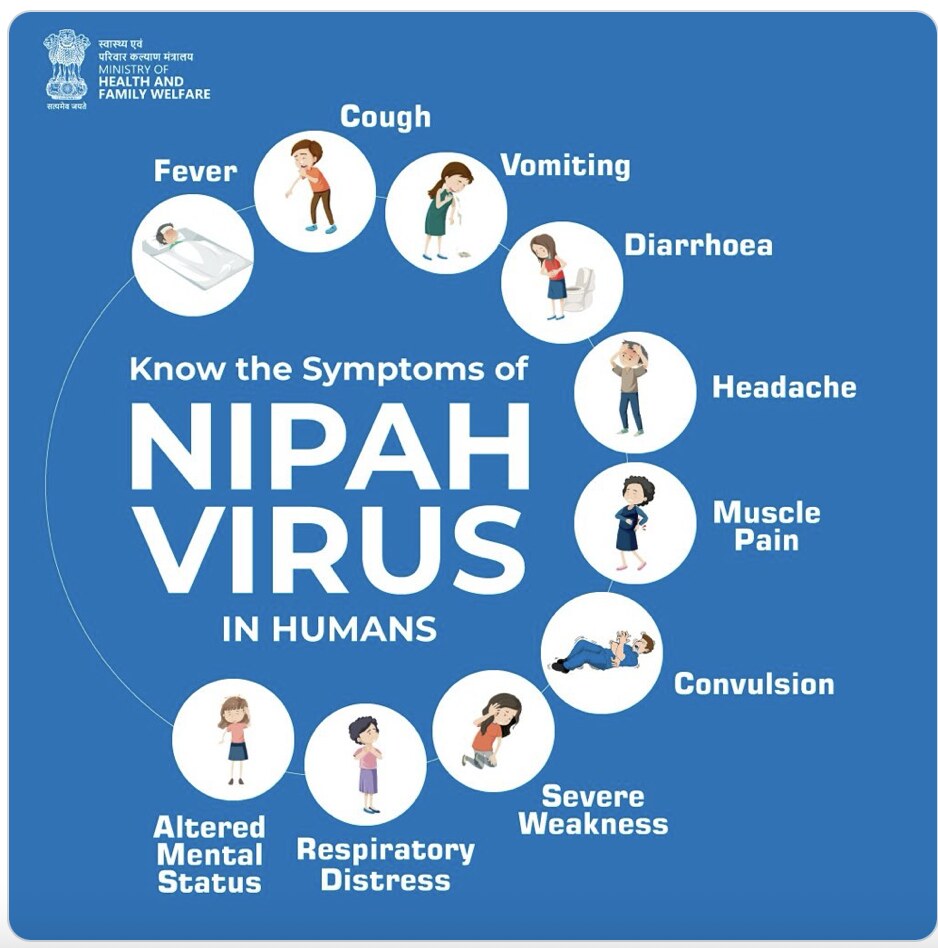
In humans, infection can manifest as asymptomatic carriage or as acute respiratory symptoms. Typical signs include: fever, headache, muscle aches, nausea and vomiting, and sore throat.
In severe cases, the virus causes encephalitis, which can lead to coma within 24–48 hours. Mortality rates range from 40% to 75%.
The World Health Organization (WHO) has designated Nipah as a priority pathogen, meaning it has the potential to cause an epidemic. The organization is calling for urgent research and development of vaccines for humans and animals.
Zoonotic diseases like Nipah are of particular concern following the COVID-19 and SARS pandemics, as they spread rapidly due to human contact with wildlife and changes in ecosystems.
History of the virus
Nipah was first detected in Singapore and Malaysia among pig farmers in 1999. Since then, cases have been reported in India and Bangladesh.
In India, the virus has been detected in different regions every year for the past two decades, with the southern state of Kerala reporting the most deaths since it was first detected in 2018.
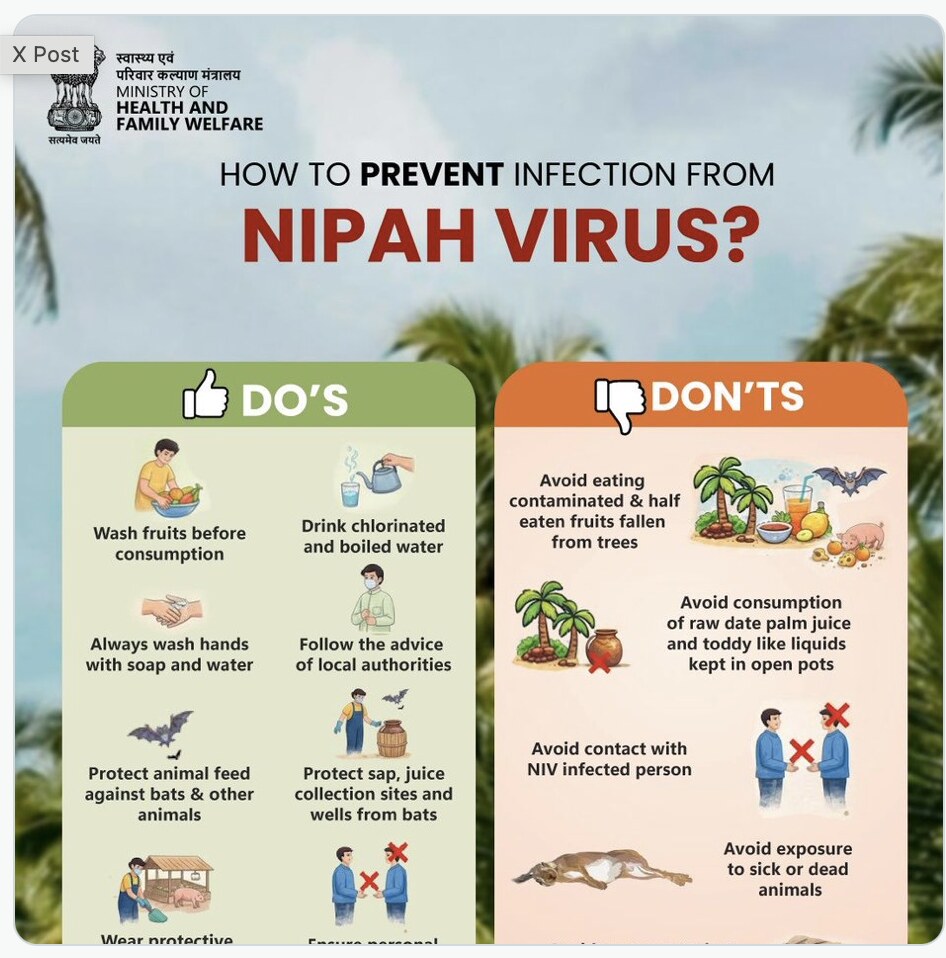
The likelihood of infection can be reduced by following these rules: avoiding contact with bats and pigs, not consuming raw palm sap that may have come into contact with infected animals, and following biosecurity rules in high-risk areas.
To date, there have been no cases of Nipah in the UK or Europe, and no travel-related cases have been reported.
Beware of mosquitoes: what is known about the chikungunya virus spreading around the world. 7 questions and answers about the disease, a pandemic of which the WHO fears