Хочете будувати кар’єру в Data Science та AI? Vodafone Big Data Lab відкриває новий набір —>
Наталя ХандусенкоHot News
12 November 2025, 13:32
2025-11-12
15,000 generators for base stations: authorities tighten requirements for mobile operators regarding network stability
Due to the significant intensification of Russian shelling of energy infrastructure, the state leadership believes that the current readiness of networks to operate for 8–10 hours without power supply may not be sufficient. Therefore, new requirements for mobile operators were adopted during one of the last meetings of the State Central Committee in late October.
Due to the significant intensification of Russian shelling of energy infrastructure, the state leadership believes that the current readiness of networks to operate for 8–10 hours without power supply may not be sufficient. Therefore, new requirements for mobile operators were adopted during one of the last meetings of the State Central Committee in late October.
This was reported by "Ekonomichna Pravda" with reference to its own sources in the government, according to whom they decided to make this decision non-public so as not to reveal to the enemy the details of measures to ensure communications during possible blackouts.
What do the new requirements entail?
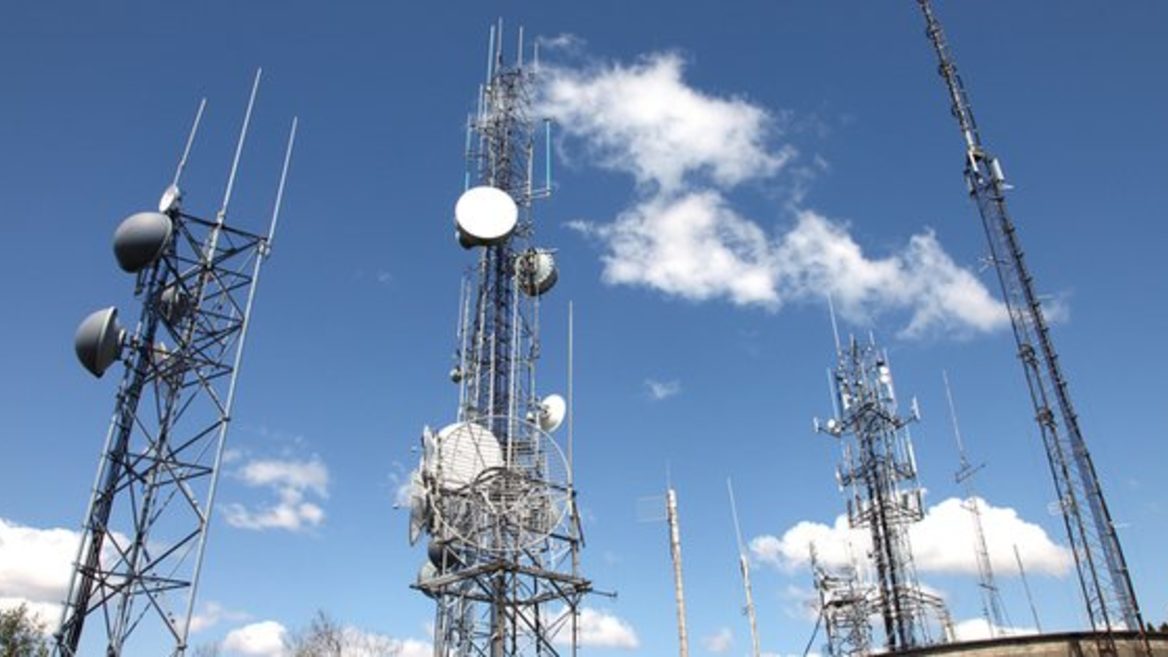
Last year, the National Center for Operational and Technical Management of Telecommunications Networks (NCT) issued an order requiring mobile operators to ensure the availability of mobile communication services for 10 hours of power outages, instead of 4 hours as before. Also, at least 25% of base stations in each region were to be connected to generators with a reserve of fuel and lubricants or equipped with a replaceable battery pack for the first 72 hours.
The new requirements provide for an increase in the number of base stations (BS) equipped with generators. Unlike in the past, this proportion will now vary depending on the region.
According to EP sources, operators need to purchase and supply about 15,000 generators.
At the time of publication, EP received responses to its requests from two operators.
Kyivstar confirmed receiving an order from the National Communications Commission to strengthen the stability of its networks. However, the content of the document was not disclosed, as it is marked "for official use."
Lifecell said that 94% of their network is capable of operating autonomously for up to 10 hours, and 23% of base stations are equipped with generators for longer power outages. According to them, this will allow up to 70% of the network to operate autonomously during long outages.
New challenges for operators
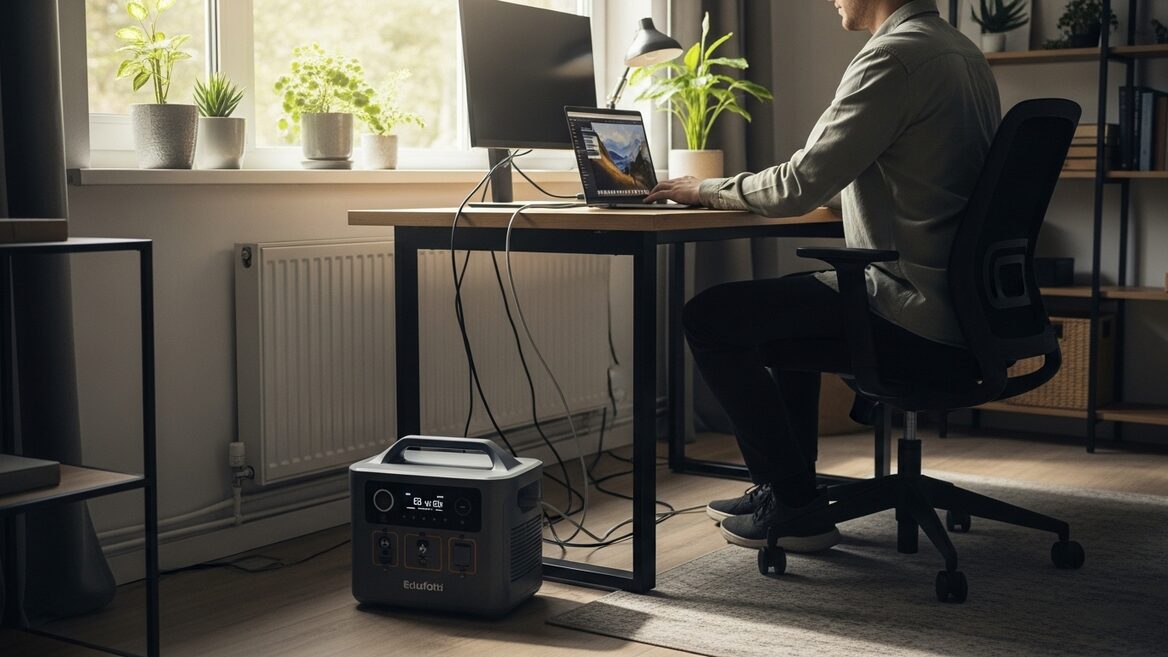
According to several EP interlocutors in the telecom market, the main challenge is not so much purchasing and installing generators, but ensuring their continuous operation. For base stations, generators with a capacity of 7.2 kW or more are required, which consume an average of about 4 liters of fuel per hour. A standard 20-liter canister is enough for 5-6 hours of operation, while according to the decision of the National Center for Energy Conservation, individual BSs must be ready to operate autonomously for up to 72 hours.
If we scale this to planned purchases, we are talking about over 4.5 million liters of fuel that must be imported, stored, and delivered to the sites on time.
To implement these tasks, it is necessary to form a completely new logistics network: from the purchase of generators and fuel to its delivery to thousands of facilities across the country. According to the EP interlocutors, such a volume of work cannot be accomplished without systematic cooperation with the OVA.
Kyivstar, Vodafone and lifecell made a joint statement on strengthening the energy resilience of networks. Here are 6 factors from the operators that explain why it is extremely difficult to do so