Ігор Вишневський That's Life
9 March 2026, 09:00
2026-03-09
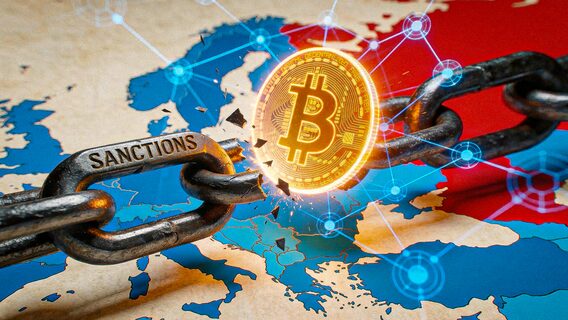
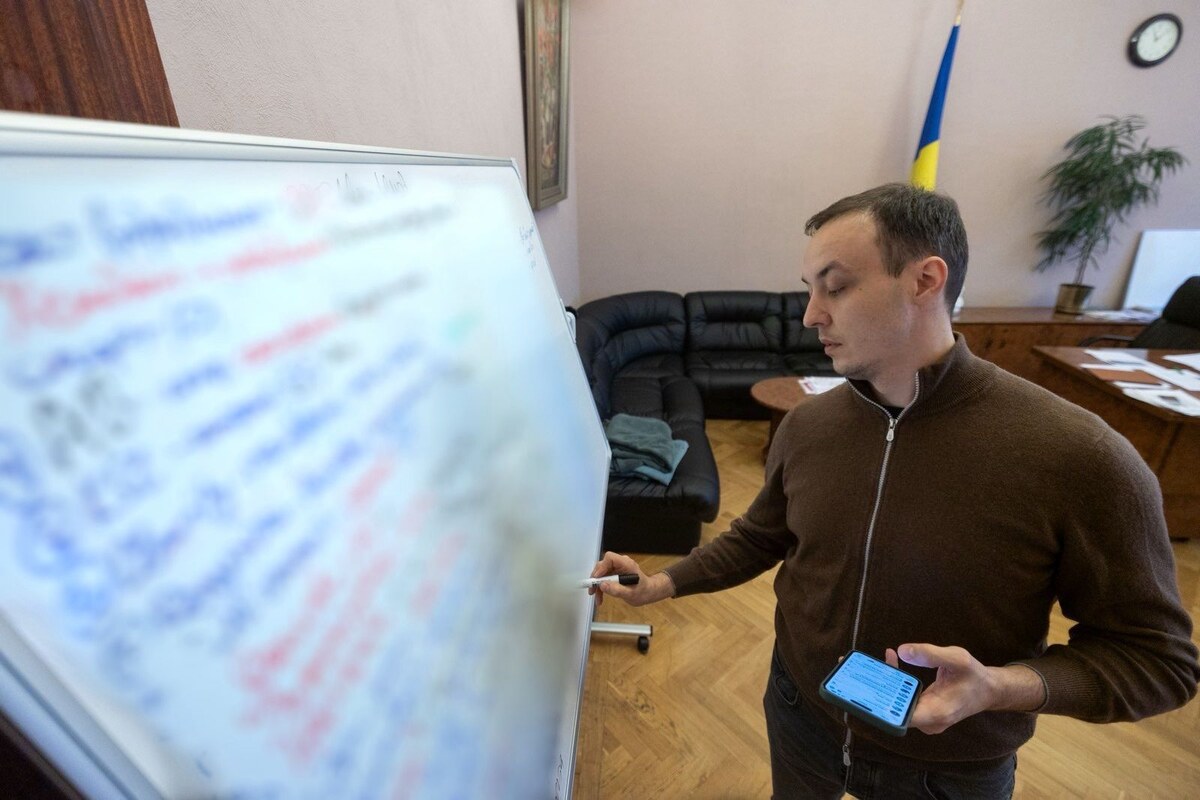
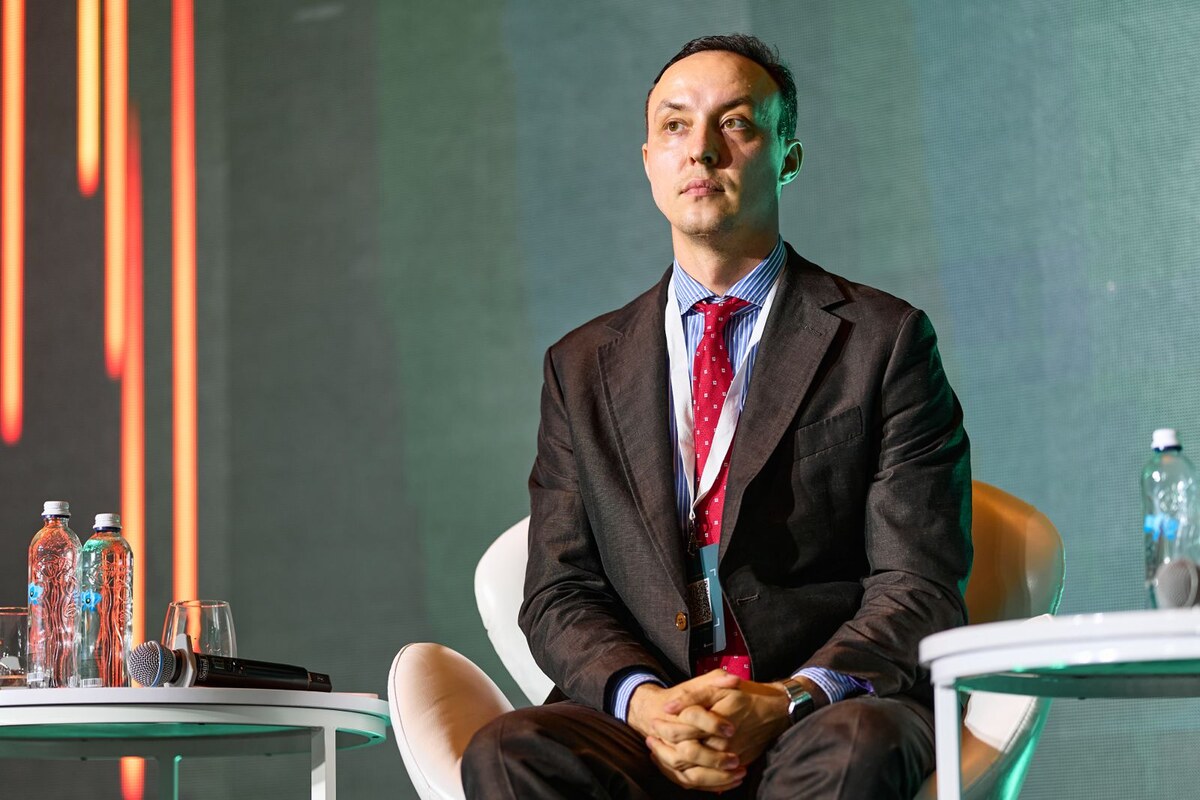
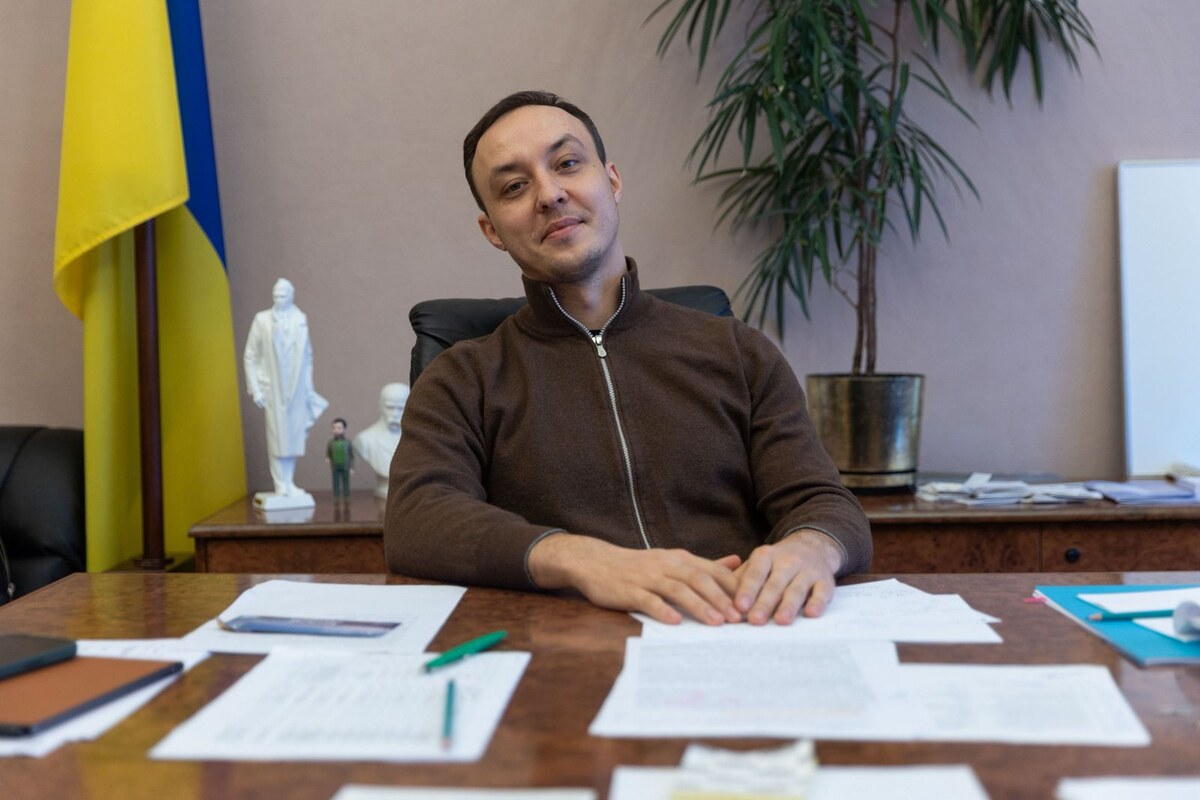
“I don’t believe Putin understands blockchain payments, but the Russians are way ahead of us here.” Presidential Commissioner for Sanctions Policy on Russia’s Cryptocurrency Loopholes and the Fight Against Them
Tens of billions of dollars per month — this is exactly the amount of money, according to Vladyslav Vlasyuk, the Presidential Commissioner for Sanctions Policy, that Russia is «driving» through cryptocurrency in order not only to circumvent the economic sanctions imposed on it, but also to purchase components for its weapons in Europe, the USA, and other countries of the Western world.
This problem is very acute. How exactly are Ukraine and the EU fighting it? Vladislav Vlasyuk told about this and more in an interview with dev.ua. Also read about whether a complete «ban» of cryptocurrency trade with Russia by Europe is real, how many cryptocurrency exchanges are under sanctions, and how unknown «well-wishers» and special services are helping to unravel the chains of cryptocurrency connections.
Tens of billions of dollars per month — this is exactly the amount of money, according to Vladyslav Vlasyuk, the Presidential Commissioner for Sanctions Policy, that Russia is «driving» through cryptocurrency in order not only to circumvent the economic sanctions imposed on it, but also to purchase components for its weapons in Europe, the USA, and other countries of the Western world.
This problem is very acute. How exactly are Ukraine and the EU fighting it? Vladislav Vlasyuk told about this and more in an interview with dev.ua. Also read about whether a complete «ban» of cryptocurrency trade with Russia by Europe is real, how many cryptocurrency exchanges are under sanctions, and how unknown «well-wishers» and special services are helping to unravel the chains of cryptocurrency connections.
«It’s good that the Russians had to go crypto — it means that fiat payments have become a problem for them. But it’s bad that it’s hard to do anything about it.»
— Our publication primarily writes about technology. So in the context of sanctions policy, please tell us about the most common methods of circumventing sanctions by Russia, specifically in the technological aspect. What does the enemy use — cryptocurrency, perhaps some individual fintechs, what else?
— What is Russia doing? They combine circumvention of sanctions with money laundering. And for all this they use cryptocurrencies, in particular stablecoins affiliated with the Russian financial infrastructure, and in principle blockchain infrastructure. Plus, they are developing alternative payments. For example, RUBx began to be denominated in yuan and traded in a currency pair with the yuan. Although this is a slightly separate story, I will not dwell on it in detail.
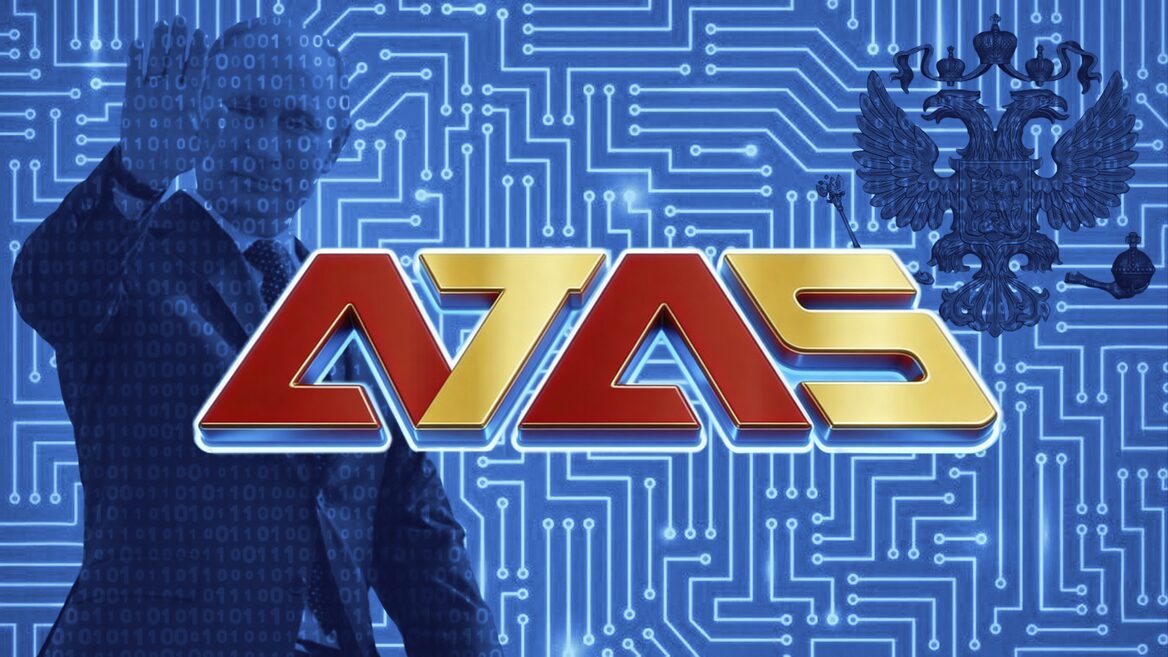
But the key is how Russians use their cryptocurrency tokens and stablecoins. The most striking example right now is the A7A5 token, which was first operated by the Garantex crypto exchange and then by its successor, Grinex.
I must say that partners are having difficulty countering this, but together we are rapidly strengthening. Just the other day we had an important call with one of Ukraine’s largest partners regarding countering sanctions circumvention through cryptocurrencies.
Yes, the partners showed their examples of how they identified cases of circumvention of sanctions, how they added those involved to the sanctions lists. In addition, they have in their arsenal not only sanctions, but also other ways of restricting certain financial instruments — for example, interfering in the conversion channels between stablecoins and fiat currencies. After all, usually a stablecoin is not used by itself, it still has to have a connection with the «real world» — it is either fiat currencies in banks of third countries (for example, Kyrgyzstan or Uzbekistan), or specific deliveries of specific goods. But, despite everything, as I have already said, there is a serious problem.
Cryptocurrencies are used to pay for the supply of components for Russian weapons. On the one hand, it’s good that they had to go crypto — it means that fiat payments have become a problem for them. But it’s bad that they pay with this crypto and it’s hard to do anything about it. Therefore, our separate big track within the framework of the sanctions policy, after the shadow fleet — is precisely cryptocurrency payments.
— In the context of Russian financial transactions, you mentioned the stablecoin A7A5. It was originally registered in Kyrgyzstan. How do you address the issue of sanctions against third countries? How do you make it so that it is simply unprofitable for these countries to help Russia?
— We believe that no third country or financial institution in a third country can simultaneously be a normal participant in global trade and, at the same time, help Russia circumvent sanctions. It has to be either or.
If you are trying to help Russia, then do not be offended when you are thrown out of the normal financial infrastructure by repressive methods. Therefore, at the moment we would like to see more sanctions against facilitators from third countries. And such solutions are, in particular, in the 20th EU sanctions package. There are a number of companies from third countries there.
— A few weeks ago, the business press wrote that Europe wants to completely ban cryptocurrency transactions with Russia. How far or close to reality is this information?
Cryptocurrency in the context of circumventing sanctions is a big topic for the EU. And we are also constantly «heating it up», because it primarily stresses us because of the use of cryptocurrency to purchase components of Russian weapons.
If the result of these processes is a complete ban on cryptocurrency payments for the Russian Federation in the European Union, we definitely won’t cry, but the Russians will have a lot of «howling».
To be honest, I don’t think that this decision will look like a complete ban on cryptocurrency transactions with the Russian Federation now. But we must bear in mind that many in the European Union and the European Commission are really ready for drastic decisions. And that’s good, we like it.
The 20th package of sanctions already contains many of our proposals for financial institutions in the Russian Federation and third countries. There are cryptocurrency exchanges there, and there are individuals who are responsible for these financial chains.
In early February, we had our sanctions package, which includes a number of individuals and legal entities associated with A7 and other cryptocurrency infrastructure used in the interests of the Russian Federation. That is, we are managing to move in the right direction — we are finding potential targets, preparing grounds, passing these grounds on to partners, and partners are taking this into account. And so we have a great appetite to continue. In all major European capitals, there is a clear understanding that the topic of circumventing sanctions through blockchain payments is really important.
«We are working to ensure that they have more problems in these areas, and we are creating these problems for them»
— Is Russia’s use of cryptocurrency to circumvent sanctions and purchase the same components for the military complex a systemic state policy overseen at the highest level? Or are these simply targeted moves by individual Russian structures?
— I think that all the main steps in the Russian economy are supervised at the highest level, it cannot be otherwise. The FSB uses all its capabilities to partly ensure and partly control the supply of components, trade, oil exports, and in general everything that brings money.
By the way, this is why we have a lot of doubts about the official information coming from Russia about the state of its economy. We think that they deliberately distort a lot of this information. On the other hand, we have good opportunities to obtain information there ourselves, so we understand the real picture.
As for cryptocurrency, of course, I don’t believe that Vladimir Vladimirovich is very knowledgeable about blockchain payments. However, this is not an underestimation. Russians have made great progress in many things, albeit by force. And the blockchain payment infrastructure, built through the A7A5 stablecoin, as well as RUBx, is a powerful thing they do. If we compare it with the development of the corresponding categories in Ukraine, the Russians are far ahead, and this gives them an advantage.
So we are working to make them have more problems in these areas, and we are creating these problems for them. But I would also like to see this develop in Ukraine as well.
— Actually, I would like to ask — to what extent does the lack of legislative regulation of cryptocurrency in Ukraine prevent us from being an effective subject of sanctions processes in this area against Russia. If we had this regulation, would it be easier for you to work?
— I think that if we had adequate regulation, our market would be much larger. In particular, it has great export potential. But the lack of legislative regulation does create certain practical problems for our work on countering sanctions evasion.
Sometimes we don’t have the legal tools to investigate cryptocurrency evasion. But that doesn’t mean we don’t respond at all. We’re creative about it and we have a good ability to disrupt the infrastructure that helps the Russians make transactions for weapons components.
«In any organization, there are always those who really understand whose side of the truth is. They sometimes give very useful clues.»
— Can you list specific crypto exchanges that you consider to be the biggest problem in terms of evading Russian sanctions?
— The problem was PM2BTC, but this problem was solved. I don’t want to name the crypto exchanges that we are currently working with, for obvious reasons. But everything related to A7A5 is definitely a big Red Flag, and all the crypto exchanges that are related to this, of course, can understand this themselves.
So let me better name what is a Red Flag for us. The first Red Flag is work with microelectronics supplies to Russia. The second «red flag» is any transactions with sanctioned persons.
Red Flag No. 3 is some jurisdictions like the Emirates, Uzbekistan, Kyrgyzstan, and, in fact, also China.
There are also «red flags» that I won’t name, but I will say this — we have a common approach that we coordinate with partners, and it allows us to clearly see who is playing on the enemy’s side.
— It is logical that you do not name all the crypto exchanges on which you conduct sanctions work, but can you at least outline their approximate number? Is it 2-3 or 10?
— We have up to 10 crypto exchanges in active operation. This does not necessarily imply bad consequences directly for the exchange itself. Our activity can also be directed either at specific addresses, or at specific individuals, or at a broad infrastructure. That is, here at the exchange there is always an option to cooperate constructively and avoid negative consequences for ourselves. And we and our partners only welcome this approach.
Why aren’t there many cases of cryptocurrency exchanges being sanctioned? There are so many fictitious legal entities out there, making it difficult to untangle the chains. The best outcome is sanctions against individuals.
Our work with Garantex-Grinex illustrates this perfectly. Sanctions were imposed directly on Garantex, but payments flowed smoothly to Grinex. There are always specific individuals who are actually involved in all this and who organize it all.
— Many people actually go into crypto precisely for anonymity. So how difficult is it to find specific individuals involved in circumventing sanctions through cryptocurrency? Do you cooperate with special services here? Who does this work?
— This is mainly the work of the special services — both ours and our partners. The most difficult thing is to connect the virtual world with the real one. In this context, I would also like to say that a lot of useful information comes from certain «well-wishers.» Who are these people?
In any infrastructure and any organization, there are always those who really understand whose side of the truth is. They sometimes give very useful tips. Such information is usually important for Ukraine, and it is very good when we receive such tip offs from our «secret supporters.»
Therefore, those individuals who help Russia cannot feel completely safe, if only because there will always be some whistleblower who will «leak» the information we need.
— Are you talking about the right people in Russia now? Who are these «secret supporters»?
— Of course, I personally know few of these people. But we understand that in any organization, whether in Russia or in third countries, 9 out of 10 there will be a secret supporter of Ukraine who will give a very useful tip.
— Can you estimate in numbers the scale of the use of cryptocurrencies to circumvent sanctions by Russia?
— We are talking about tens of billions of dollars per month.
«I think partners don’t really like seeing their components end up in Russian missiles or Iranian drones.»
— Could you provide a little more detail on how cryptocurrency is used to purchase components for Russian weapons? Through which countries does this most often happen?
— Overall, number one in terms of components is China. Are payments often made there in yuan? It’s hard to say, it’s less obvious to us, and Russia isn’t too concerned about it either, because purchasing from China is not a problem for them at all.
Where they need the maximum anonymity that Blockchain provides is still deliveries from Europe and America. So if we see American, European or Japanese components in Russian weapons, then, with a high probability, these purchases, at least a significant percentage of them, were made through cryptocurrencies.
And that’s probably one of the main arguments why this topic has become so important for Europe and is becoming important for America. I think they themselves don’t really like seeing their components end up in Russian missiles or Iranian drones.
So, as I said, we have a big appetite for figuring out how to counter sanctions evasion using blockchain. By the way, in the States we often see in the news how they expose certain crypto networks there. I think the States are doing well in this regard.
Our partners may have different positions on new sanctions, but when it comes to sanctions that have already been imposed, 100% of the time no one likes that these sanctions are not being implemented.
— You mentioned the US, and, of course, they can be praised in some ways. But how much more difficult has it become to work with sanctions issues against Russia, given Donald Trump’s, so to speak, ambivalent position on the Russian-Ukrainian war? Of course, the US remains our partner, but everything is much less clear-cut than under Trump’s predecessor.
— It hasn’t become more difficult for us. It has become more difficult for the «middle level» of officials in the US government, because many of their good practices are not being implemented.
In the US, in most areas, information is exchanged with partners, interaction is taking place, and certain decisions are being prepared. Somewhere new topics of joint sanctions cooperation are emerging, such as the cryptocurrency. And this topic has become very active over the past year. But not everything that is developed by this «middle link» is transferred to the relevant decisions of the US top leadership. For example, we know that the US has large prepared sanctions packages for the shadow fleet of the Russian Federation, for its energy sector, for its financial infrastructure. This is all really true, and all this was prepared, including based on the results of information exchange with us. But they are not allowed to move it further!
On the other hand, partners are given work on Iran, they are given work on cybersecurity. And these are the areas where we also cooperate fruitfully. Fortunately for us and unfortunately for the Russians, this often tangentially touches on Russia.
— What message would you like to sum up this conversation with?
— The message is very short and very practical.
I know that Ukraine has a strong fintech community. So if any of its representatives have the ability and desire to make life difficult for the enemy, please contact me.
About 20 Ukrainian public organizations are already cooperating with me on sanctions: energy, fleet, components, and so on. But there is no such cooperation on fintech yet. It is more than relevant for us.
How a scandalous Moldovan oligarch became Putin’s bottomless crypto wallet, and the A7A5 cryptocurrency helps the Russian Federation circumvent sanctions. What is known about this
The State Service for Special Communications has blocked a number of domains of Russian crypto services and payment platforms that were available in Ukraine
Вивчення втрати 4.45 BTC потребує уважного аналізу того, як саме було втрачено кошти. Якщо ви підозрюєте шахрайство, рекомендується повідомити про це відповідні органи, зокрема місцеву поліцію або підрозділ з протидії шахрайству. Консультація з досвідченим фінансовим радником або юристом допоможе оцінити наявність можливих варіантів повернення коштів, таких як страхове відшкодування або судовий позов. Водночас зараз ідеальний момент, щоб переглянути свої фінансові звички та внести зміни, які можуть знизити ймовірність майбутніх втрат. Для отримання додаткових рекомендацій і порад, будь ласка, зверніться до детального посібника FundsRetriever AT Proton DoT me, TG: AT FundsRetriever.











Вивчення втрати 4.45 BTC потребує уважного аналізу того, як саме було втрачено кошти. Якщо ви підозрюєте шахрайство, рекомендується повідомити про це відповідні органи, зокрема місцеву поліцію або підрозділ з протидії шахрайству. Консультація з досвідченим фінансовим радником або юристом допоможе оцінити наявність можливих варіантів повернення коштів, таких як страхове відшкодування або судовий позов. Водночас зараз ідеальний момент, щоб переглянути свої фінансові звички та внести зміни, які можуть знизити ймовірність майбутніх втрат. Для отримання додаткових рекомендацій і порад, будь ласка, зверніться до детального посібника FundsRetriever AT Proton DoT me, TG: AT FundsRetriever.