Denys Chumachenko emphasized the importance of developing our own technologies instead of licensed production of state-owned models.
Ukraine has contracted the production of Octopus interceptor drones to private enterprises under a state license. However, not all "privateers" liked this initiative. In particular, Denis Chumachenko, a service technician at Deviro, in a comment for Forbes, questioned the production of interceptor drones under a state license.
"When you manufacture someone else's drone under license, you have no technical basis for modernization," he noted, adding that this creates problems with coordinating the replacement of components if they run out at the supplier.
In addition, he expressed concerns that the production of standardized drones could weaken the echeloned defense against Russian drones, which should consist of three levels.
"If all manufacturers produce the same type of interceptor under license, we may be left without second and third levels of protection," he adds.
Deviro is currently conducting combat testing of its own unmanned interceptor, aimed at the second echelon of defense. Mass production is expected to begin in February-March next year.
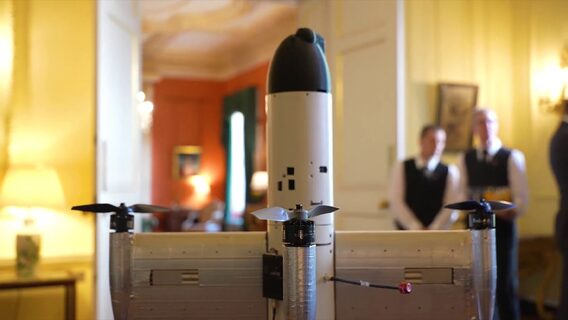
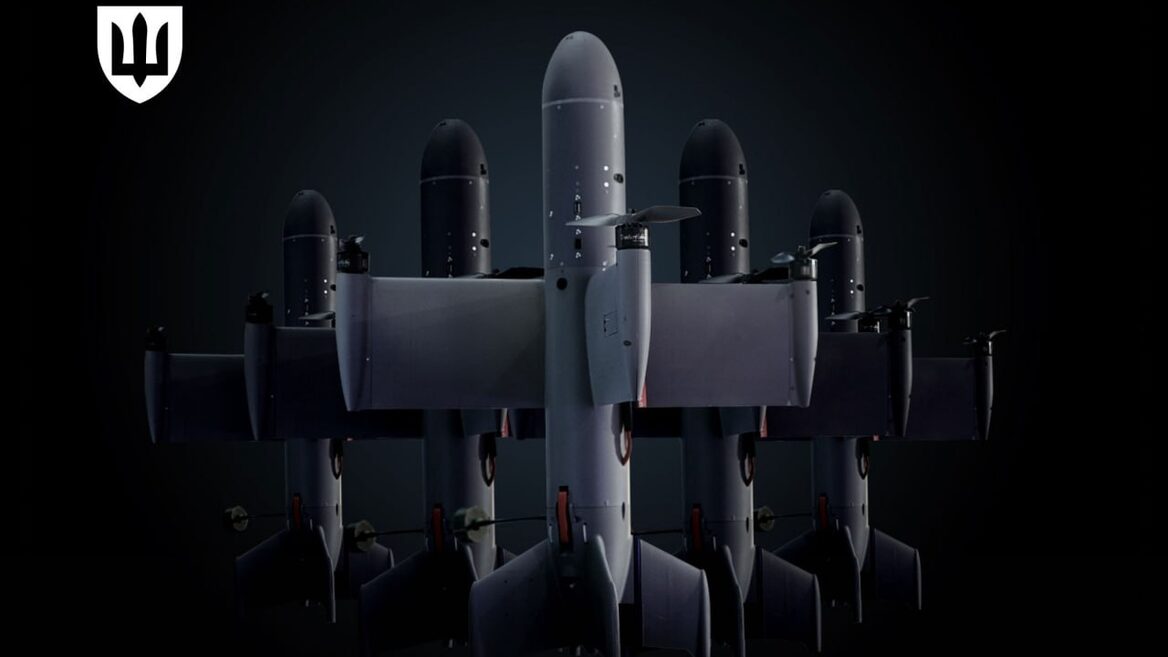
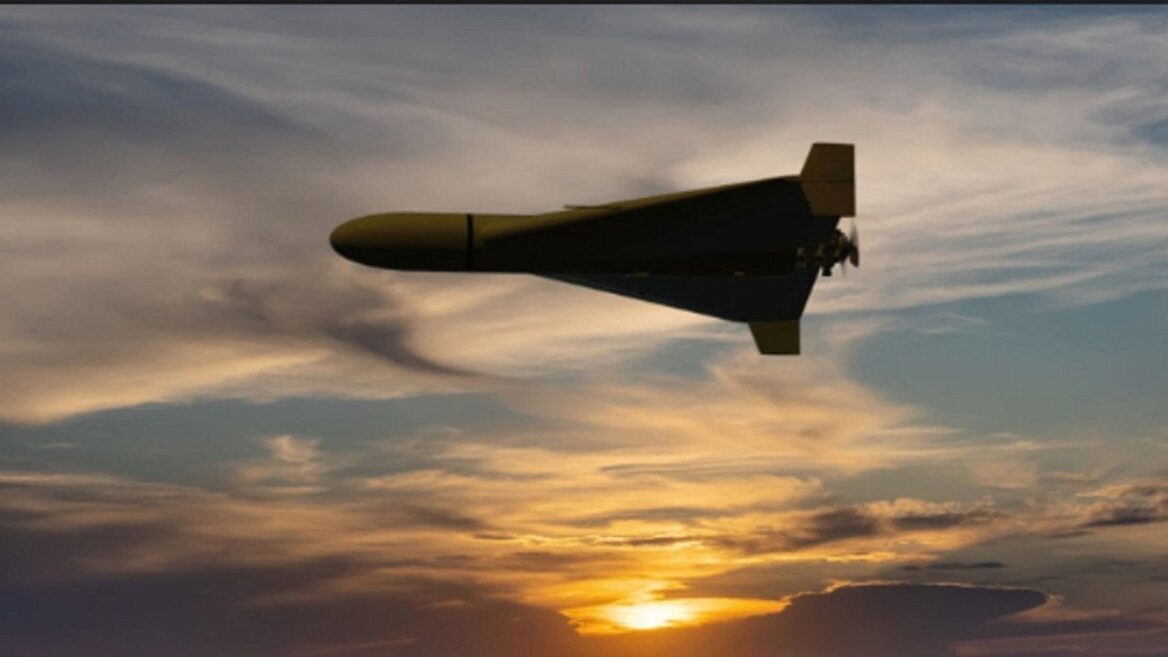
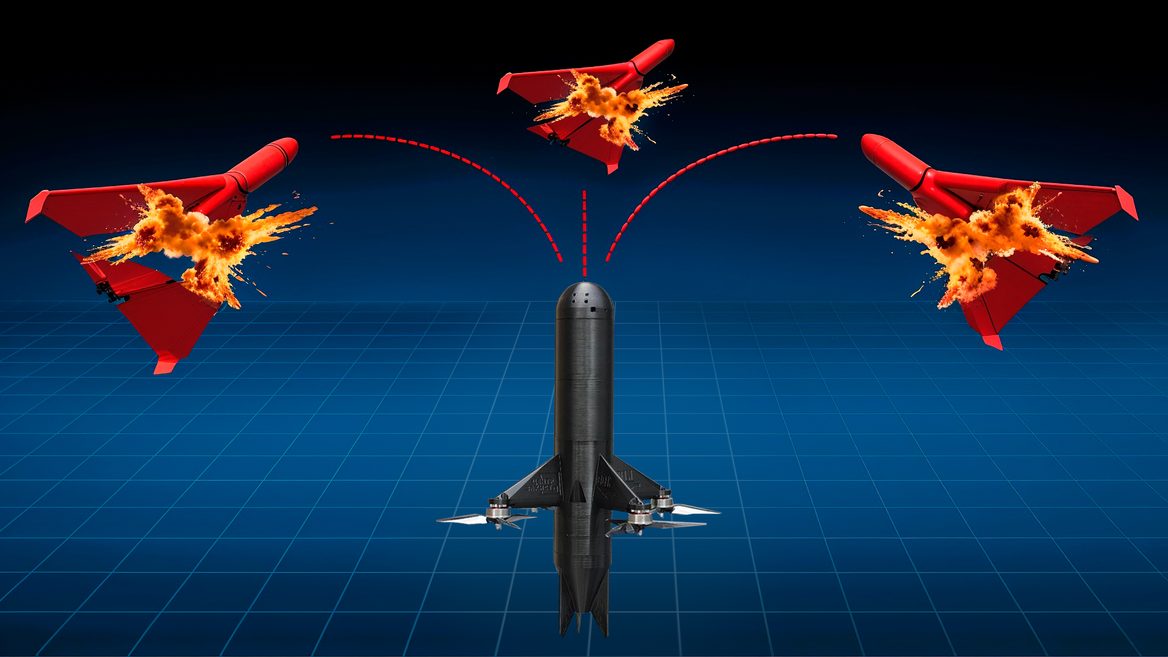
Recall that the Octopus interceptor drone is a Ukrainian technology for intercepting "shaheeds", developed by the Armed Forces in cooperation with the United Kingdom. Production has now entered the stage of serial production in the United Kingdom and Ukraine. The plans are for approximately 2,000 devices per month.
The President called for contracting all effective interceptor drones to counter the "shaheeds." We understand how they work, what is available on the market, and how effective they are compared to other air defense systems.