Хочете будувати кар’єру в Data Science та AI? Vodafone Big Data Lab відкриває новий набір —>
Олександр КузьменкоAI Eng
26 August 2025, 12:09
2025-08-26
“I felt like I was wearing makeup.” YouTube began “enhancing” faces in videos using AI without the authors’ consent
YouTube has begun using artificial intelligence algorithms to process videos without the authors' knowledge or permission, following complaints from popular bloggers who noticed strange artifacts in their videos.
YouTube has begun using artificial intelligence algorithms to process videos without the authors' knowledge or permission, following complaints from popular bloggers who noticed strange artifacts in their videos.
Rick Beato’s music YouTube channel (5+ million subscribers) was the first to notice that his face looked «like it had makeup on,» according to a BBC report.
«I thought, 'Man, my hair looks weird.' And the closer I looked, the more it looked like I had makeup on,» Biato said.
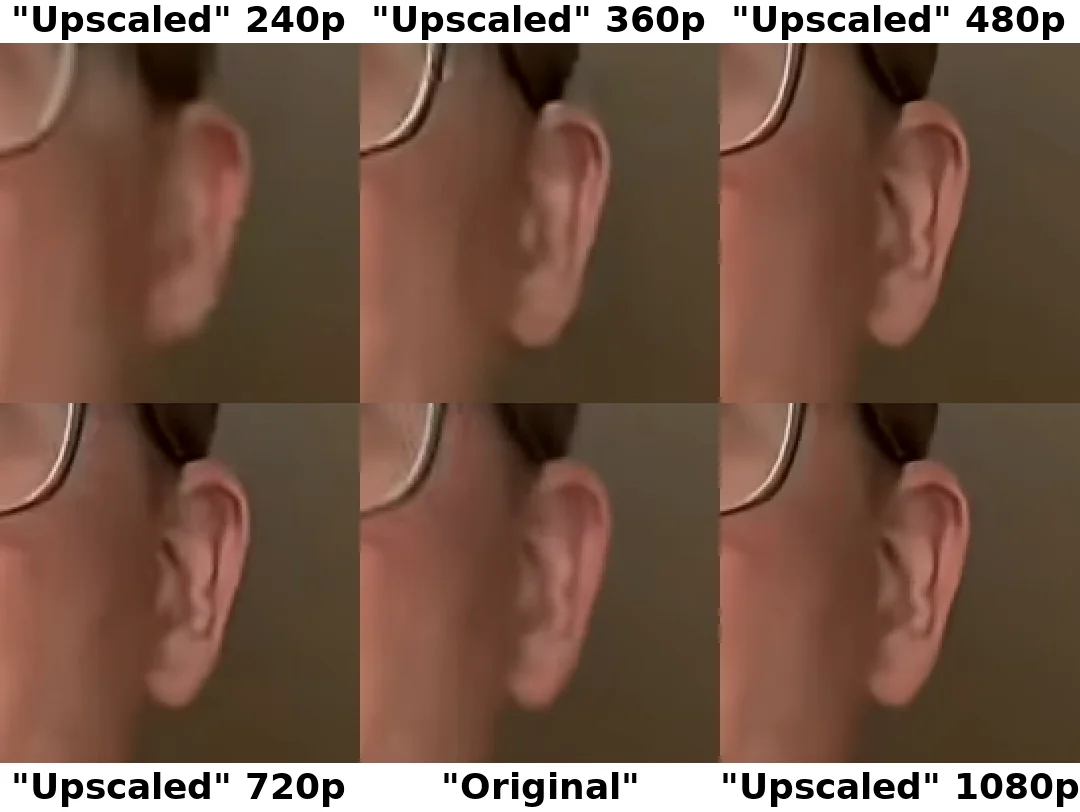
His colleague, musician and blogger Rhett Shull, found similar problems in his own videos: over-sharpening of details, «plastic» skin, and facial deformations.
Users have been complaining about the strange effects since the summer of 2024, but only now has the company officially confirmed the experiment. YouTube’s communications director, Rene Ricci, said the changes affect videos in the YouTube Shorts format. The algorithms «blur noise, improve clarity and detail,» similar to the features of modern smartphones.
However, on smartphones, users apply such filters themselves, while on YouTube, creators have no choice.
«This is an example of a company changing content without the consent of its creators. This can blur the line between reality and an algorithmically created world,» says Samuel Woolley, an expert on information manipulation at the University of Pittsburgh.
Соціальні мережі та штучний інтелект формують глобальні наративи про війну в Україні. Як їх використовують українці та росіяни — аналітика від Foreign Policy
Напередодні вторгнення росії в Україну соціальні медіа слугували полем битви для держав і недержавних діячів, щоби поширювати конкуруючі наративи про війну та зображати поточний конфлікт у своїх власних інтересах. Видання Foreign Policy опублікувало великий аналітичний матеріал, як українці та росіяни використовують соціальні мережі, щоб давати інформацію про війну. Наводимо його адаптований переклад.
Як нейромережі бачать вільну та незалежну Україну? Тест dev.ua
Нейронні мережі для генерації зображень бачать світ по-своєму, їхню логіку зрозуміти часом зовсім неможливо. Але таки хочеться. На честь Дня Незалежності України редакція dev.ua вирішила провести невеликий експеримент.
Ми задали чотирьом різним нейронним мережам п’ять однакових запитів: «прапор України», «День Незалежності України», «український Крим», «перемога України» та «українці». Отриманими результатами ми ділимося з вами нижче.