Хочете будувати кар’єру в Data Science та AI? Vodafone Big Data Lab відкриває новий набір —>
Валентин ШнайдерAround IT
6 April 2026, 14:55
2026-04-06
Octava Capital founder Oleksandr Kardakov said that China can see up to 90% of cameras in Ukraine
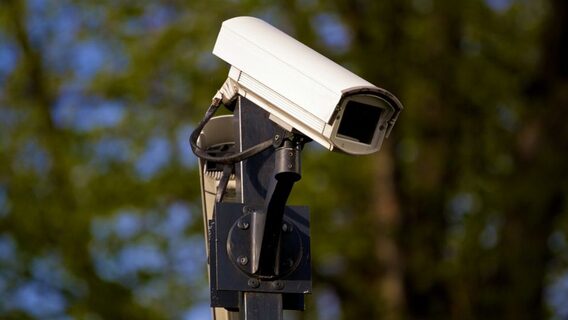
Octava Capital founder Oleksandr Kardakov said that China could potentially have access to 80-90% of cameras in Ukraine. According to him, this applies not only to conventional video surveillance, but also to optics on reconnaissance drones, which poses a direct threat to security during war.
Octava Capital founder Oleksandr Kardakov said that China could potentially have access to 80-90% of cameras in Ukraine. According to him, this applies not only to conventional video surveillance, but also to optics on reconnaissance drones, which poses a direct threat to security during war.
In an interview with NV Kardakov, he said that China may have access to 80-90% of cameras in Ukraine. This includes not only conventional video surveillance, but also optical modules and cameras on reconnaissance drones. According to him, the problem is that some Chinese devices have hidden access channels through which recordings or other data can be obtained.
Separately, the businessman mentioned Chinese gimbal cameras that are installed on reconnaissance aircraft, and stated that it was possible to download recordings from them. He also directly named Hikvision as an example of a manufacturer whose equipment, in his opinion, creates additional risks. Kardakov linked this vulnerability not only to espionage, but also to the broader problem of unprotected communication channels in Ukrainian systems. According to him, there have already been cases when the Russians intercepted the control of Ukrainian drones.
As a solution, he proposes to oblige manufacturers to install at least basic protection of communication channels on drones at the regulatory level. Kardakov claims that this is not something critically expensive, but can dramatically reduce the risks for intelligence, video surveillance and unmanned platforms operating on the front or near critical infrastructure. In essence, his thesis boils down to the fact that the issue of cameras and optics in Ukraine has long gone beyond domestic security and directly concerns defense.
Concerns about Chinese video surveillance systems are not limited to Ukraine. In the US, Hikvision and Dahua equipment is on the FCC Covered List as an unacceptable risk to national security, and in the UK, sensitive facilities are prohibited from deploying visual surveillance systems from companies subject to Chinese intelligence legislation. Against this background, Kardakov’s statement looks not just an emotional assessment, but part of a broader discussion about how safe it is to rely on cheap Chinese optics in a warring country.
Previously, dev.ua wrote about how Russian troops are continuously hunting Ukrainian defense enterprises through surveillance cameras, actively using cyberattacks to identify secret locations.