Хочете будувати кар’єру в Data Science та AI? Vodafone Big Data Lab відкриває новий набір —>
Наталя ХандусенкоHot News
8 September 2026, 12:49
2026-09-08
DRAM price growth slows: prices could rise by only 13–18% in Q3
The long-running price hike for RAM is starting to slow. PC and smartphone buyers have exhausted their budgets and are no longer willing to pay manufacturers to build out AI infrastructure, forcing the market to seek a new balance.
The long-running price hike for RAM is starting to slow. PC and smartphone buyers have exhausted their budgets and are no longer willing to pay manufacturers to build out AI infrastructure, forcing the market to seek a new balance.
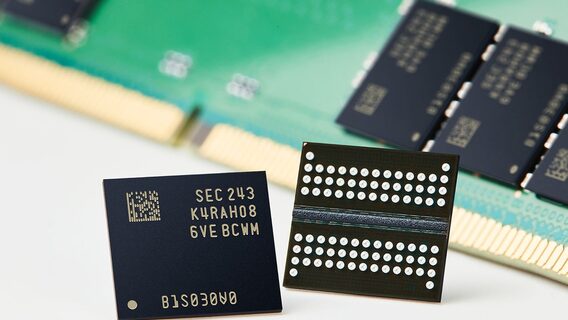
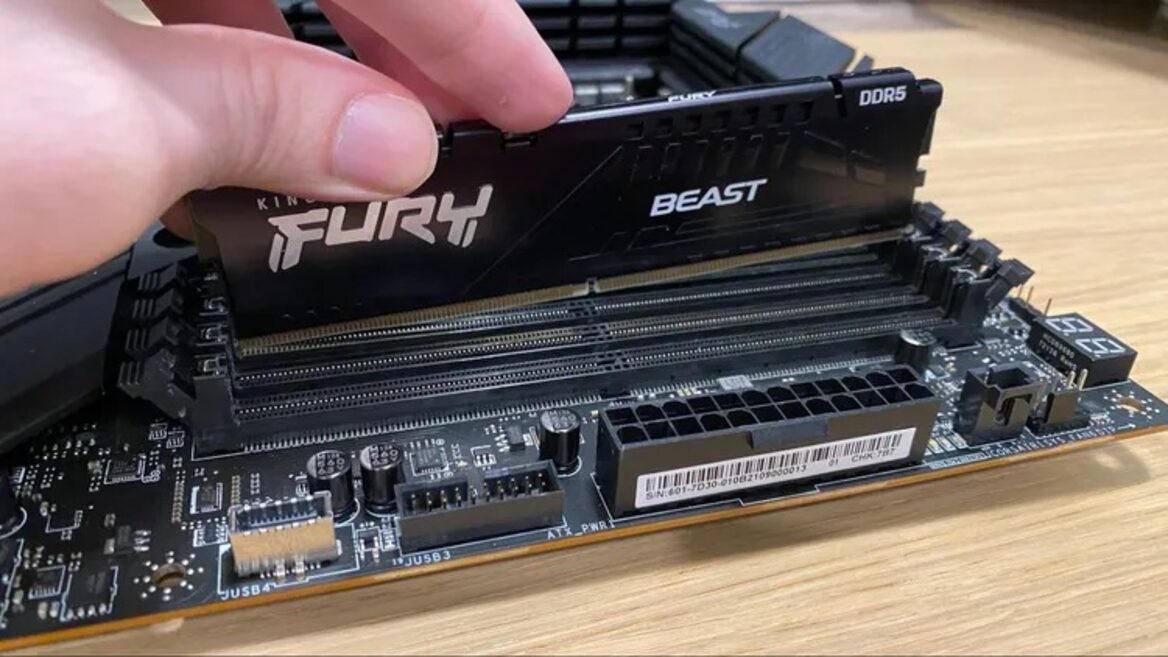
According to the analytical agency TrendForce, in the second quarter, contract prices for DRAM ensured a jump in industry revenue by 59.5% compared to the previous quarter — to $154.73 billion. However, in the third quarter, the growth in prices for classic RAM will noticeably slow down and will amount to only 13–18%, The Register reports .
Analysts attribute this to two factors. The first is a shift in demand from high-capacity RDIMMs to cheaper solutions. The second is the limited ability of PC and smartphone manufacturers to pass on price increases to end customers.
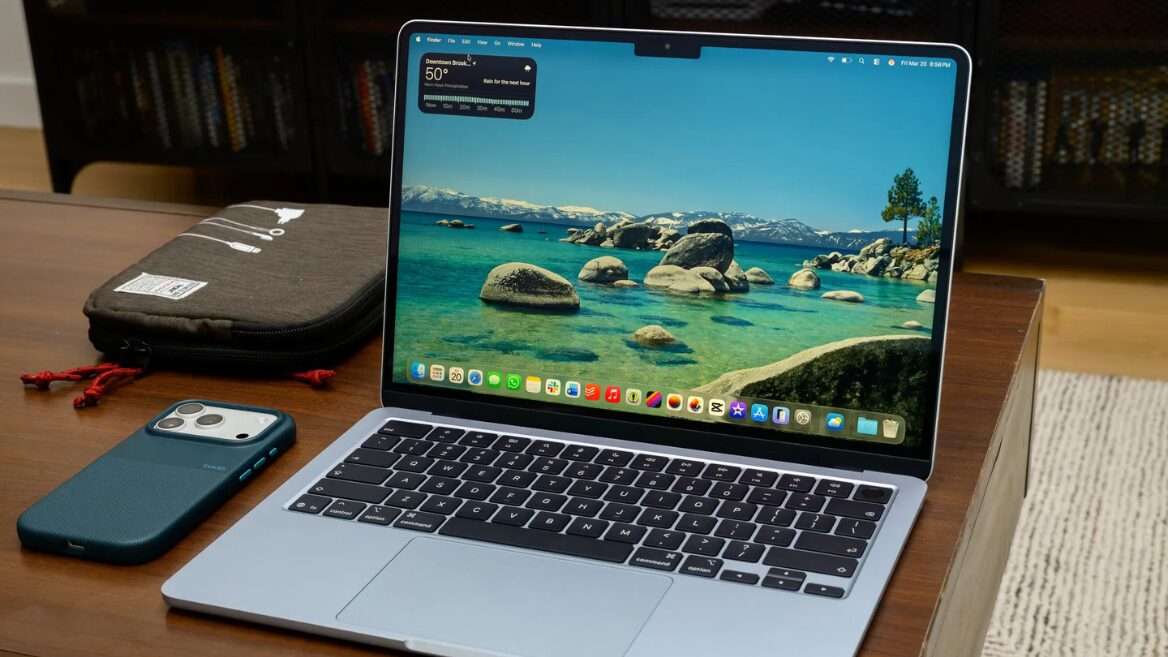
In parallel, research company Context warns of a sharp decline in computer equipment supplies in Europe due to rising system costs: according to their forecast, notebook shipments will decrease by 6.4% in the third quarter and by 20% in the fourth quarter compared to the same period last year, while the desktop PC market will experience an even greater decline - by almost 20% in the third quarter and about 30% in the fourth.
PC manufacturers are still maintaining profitability through high-margin pricing, favoring premium devices. However, corporate customers are massively extending the life of existing equipment and buying new equipment only when absolutely necessary.
“PC fleet renewal has not disappeared, but its economics have changed dramatically,” says Marie-Christine Pigott, senior analyst at Context. “The main challenge for distributors now is to help customers prioritize where renewal is critical, where equipment can be left in service longer, and where investments in new systems are commercially justified.”
Manufacturers' hopes that so-called "AI PCs" (PCs with AI support) will trigger a large-scale wave of upgrades have not yet been justified. The main driver of purchases remains the end of Windows 10 support, and the share of AI PCs is growing primarily because AI functions are becoming the basic standard for new processors.
Meanwhile, the three major global semiconductor manufacturers—Samsung, SK Hynix, and Micron—continue to shift their capacity to high-yield AI server memory (HBM and high-performance server DRAM). As a result, meeting the demand for mass-produced products based on mature process technologies (particularly DDR4 and DDR3) increasingly falls on the shoulders of second-tier manufacturers such as Nanya, Winbond, and PSMC.