Хочете будувати кар’єру в Data Science та AI? Vodafone Big Data Lab відкриває новий набір —>
Марія БровінськаStartup
17 November 2025, 09:02
2025-11-17
Startup 2Wai launches app that lets you "communicate" with deceased relatives. Social media is awash with hate and comparisons to Black Mirror
American startup 2Wai (Los Angeles) caused an online scandal after launching an application that allows you to create interactive digital avatars of deceased people.
American startup 2Wai (Los Angeles) caused an online scandal after launching an application that allows you to create interactive digital avatars of deceased people.
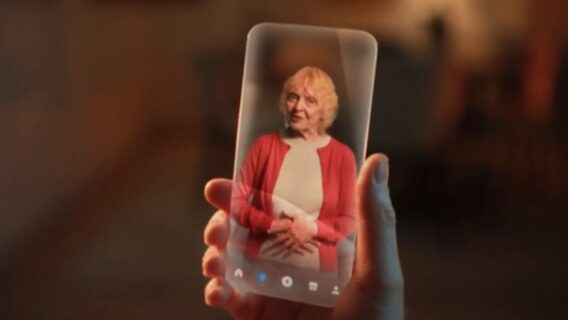
A video posted by the company’s co-founder Calum Worthy shows a pregnant woman talking to an AI version of her deceased mother. The algorithm then reads a story to her newborn child, Interesting Engineering reports, and then chats with her grown-up grandson. The video ends with the line, «With 2Wai, three minutes can last forever.»
The video instantly went viral, garnering over 4.1 million views on X. Along with the popularity came criticism: users called the service «pure Black Mirror,» «demonic,» and one that «should be destroyed.»
How 2Wai works
The app allows you to create a HoloAvatar — a digital copy of a person who, according to the developers, «looks and speaks the same, and even shares the same memories.» The service is currently available in beta on the App Store, with an Android version coming «soon,» the developers say.
The startup positions itself as a platform for «legacy preservation,» essentially offering to create a virtual archive of a person that will live on after their death.
Ethical debate: support or manipulation of grief?
Fierce debate has erupted over how technology affects the experience of loss, with a particularly heated response to a scene in which a child forms an emotional bond with an AI version of their grandmother.
Critics warn that digital avatars can distort a person’s memory, «virtual relatives» risk becoming substitutes for real grief, which will affect the psyche, and the technology could open the way to androids that imitate the dead — and then the issue of consent and commercialization will become even more acute.
There are those who support the idea: they believe that this way we can preserve the voices, stories, and knowledge of older generations.
Recall that this is not the first attempt to connect the real and the afterlife. South Korean company DeepBrain offers users the opportunity to communicate with deceased loved ones using video avatars endowed with artificial intelligence.