AMD and NVIDIA plan to increase graphics card prices simultaneously starting in 2026
Analysts predict that the cost of graphics equipment may increase every month over the next six months.


Analysts predict that the cost of graphics equipment may increase every month over the next six months.
Analysts predict that the cost of graphics equipment may increase every month over the next six months.
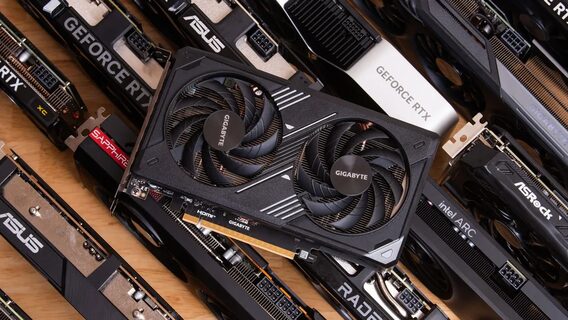
According to insider data from Board Channels, both key players in the graphics processor industry, AMD and NVIDIA, are preparing to increase the selling prices of their chips. This process will begin almost simultaneously with the onset of the new year and, according to analysts, will not be limited to a one-time promotion.
AMD will launch the first wave of price increases in January, which will affect the new RX 9070 XT model, the price of which has only recently stabilized at the recommended level.
NVIDIA plans to join this trend in February by revising its pricing policy for its manufacturing partners. With stocks of previous-generation graphics cards almost exhausted and new models being sold in limited quantities, vendors have virtually no room for maneuver except to pass on the additional costs to the end user.
The main economic reason for this jump is the crisis-like increase in the cost of components, primarily video memory. The cost of VRAM is about 80% of the total cost of the card, and the prices of memory modules have recently increased three to four times. This creates the prerequisites for the fact that the real cost of video cards on store shelves can be twice as high as the manufacturer's recommended price (MSRP).
Experts are already suggesting that under such conditions, the price of the flagship RTX 5090 model could approach the astronomical mark of $5,000.
One reason for the rise in memory prices is the rapid increase in spending on artificial intelligence, which requires large amounts of computing power. This has already caused a significant increase in the price of RAM .