Хочете будувати кар’єру в Data Science та AI? Vodafone Big Data Lab відкриває новий набір —>
Ігор Вишневський Stories
2 March 2026, 09:00
2026-03-02
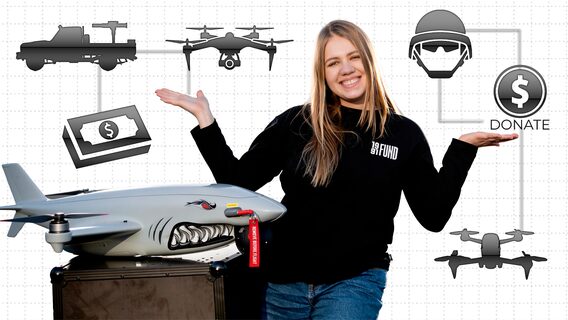
"When the fund was founded, it took X effort to close a million-dollar fundraiser. Now it takes X8 effort." HR left IT to create a military aid fund. How the 1991 Charity Fund works
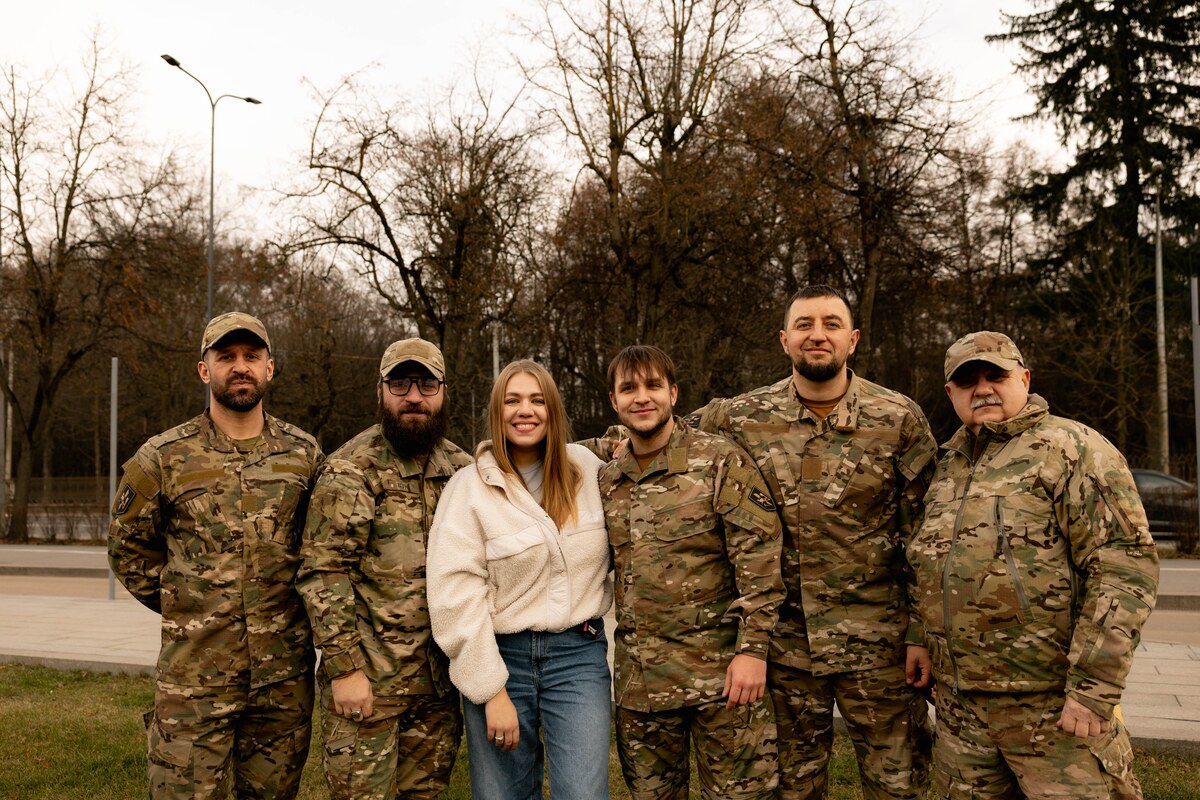
At the end of 2023, HR in the IT sphere Anastasia Sokhatska left her position at SoftServe to establish her own charitable foundation to help the military. 9 years of her IT career were left behind, and new, previously unknown, challenges arose ahead of her.
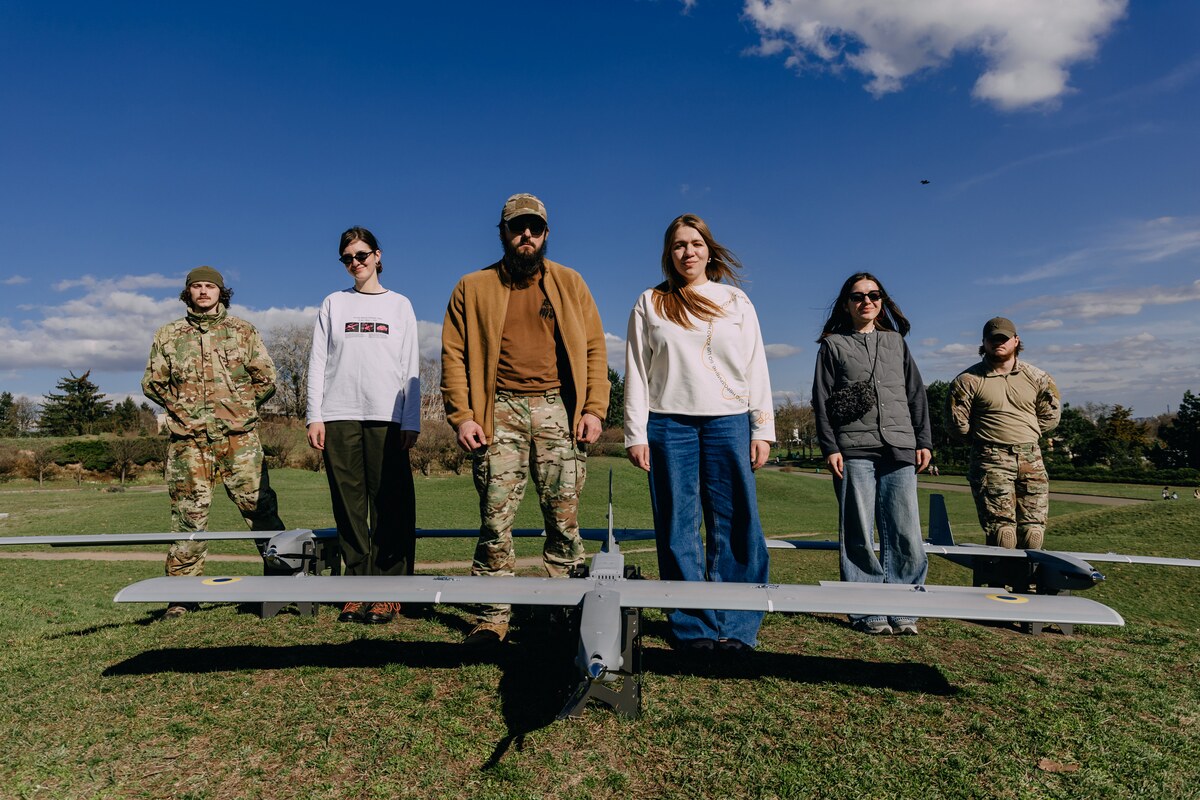
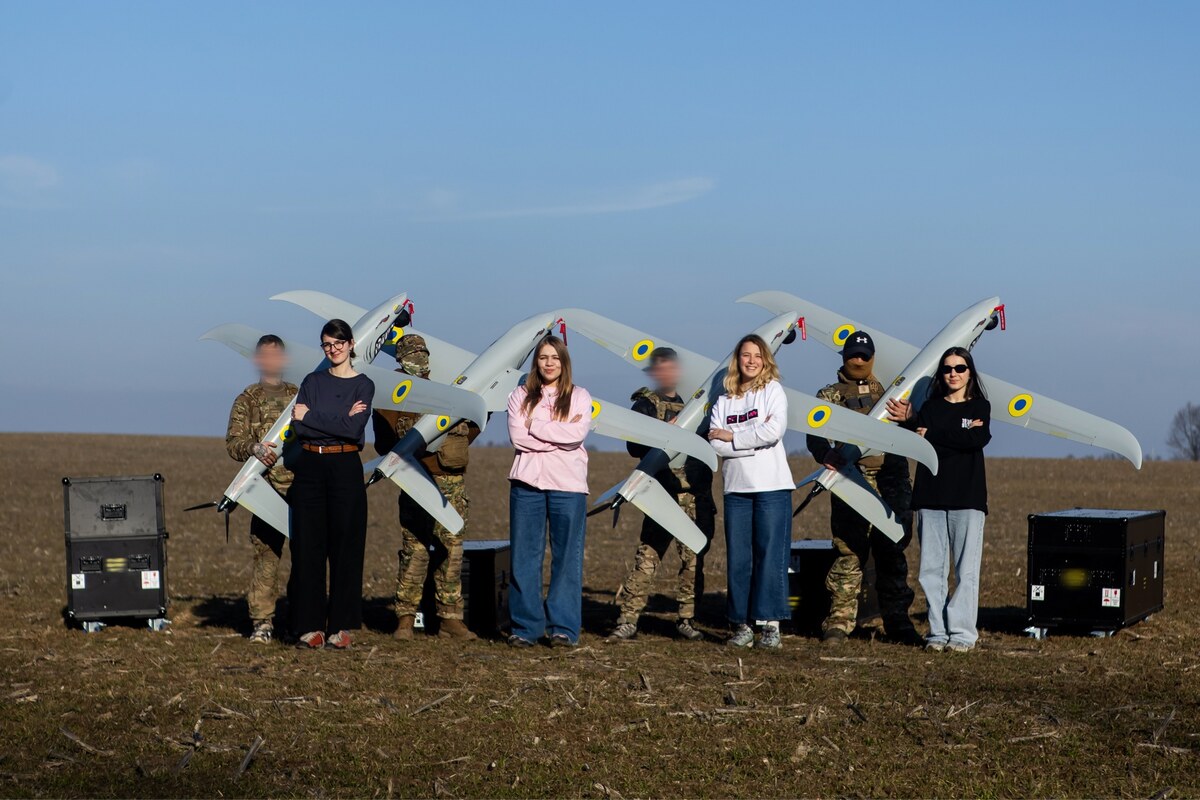
In early 2026, 2.5 years after the launch of the 1991 Charity Fund, the fund closes tens of millions of dollars in funds, providing defenders with transportation, drones, NRCs, and other equipment, as well as supporting «drone workshops» at brigades and helping veterans.
At the end of 2023, HR in the IT sphere Anastasia Sokhatska left her position at SoftServe to establish her own charitable foundation to help the military. 9 years of her IT career were left behind, and new, previously unknown, challenges arose ahead of her.
In early 2026, 2.5 years after the launch of the 1991 Charity Fund, the fund closes tens of millions of dollars in funds, providing defenders with transportation, drones, NRCs, and other equipment, as well as supporting «drone workshops» at brigades and helping veterans.
In an interview with the founder of the fund, Anastasia Sokhatskaya, dev.ua talked about why she made such a decision; what useful skills and tools she brought with her from IT to volunteering; what exactly and for how much money the fund buys for the military; why it has become much more difficult to close the fund — despite the fact that the amount of funds in the volunteer fund has not decreased — as well as how to compete for donations from Ukrainians with such well-known structures as «Return Alive» or «Sternenko Community» and pass inspections by the Tax Service.
«Our goal is not to steal money from anyone. We are trying to generate it where they would not go to the army.»
— During the full-scale war, many people held meetings and participated in volunteering in one form or another. But only one out of many thousands put it all on a «permanent basis» and founded their own charitable foundation. How did you come to this decision?
— When I answer this question, I always joke that a large number of friends are to blame for this. It so happened that a large number of my close circle volunteered back in 2022. For a while, the funds for their needs were managed to be closed quite effectively. But at some point, I simply realized that there was already such a large turnover that it was not very wise to attract all these funds to my accounts.
Conditional Serhiy Sternenko registered a legal entity not so long ago. If I’m not mistaken, literally last year. But he had enough public background to have secret agreements with banks or the trust of these institutions. I do not have such public recognition and never had. So it was reasonable to transfer the activity to the legal plane almost immediately.
The reasons are banal: if you want to do everything legally and so that there are no questions about you, you need to transfer it to official channels.
— You mentioned your close circle of people who volunteered in 2022, for whom you initially began your active volunteer activities… Who are these people?
— It is worth saying that we are talking about many of my friends from the Plast, because I am still an active Plast member. In addition, my uncle also joined the Defense Forces literally from the first days. He has a very interesting story, because he had Israeli citizenship.
He could have left the country, and his family did. But he stayed and joined the army. He and I laughed a lot when, at the beginning of the full-scale uprising, the Russians talked about «Ukrainian Nazis,» and my uncle, who considered himself Jewish, volunteered for the «Right Sector.» On September 22, Dmytro Fialka threw in Bakhmut’s defense.
But it’s actually a pretty large group of people, so my decision seemed very natural. I felt like I had no other choice but to just start helping.
— At the time of creating your charitable foundation, you were working at SoftServe as an HR Business Partner. How quickly and organically did you transition from working in the IT sector?
— I had a very cool and understanding team in everything related to volunteering. No one had any complaints that I devoted the lion’s share of my schedule, and sometimes even my work schedule, to volunteering.
However, it turned out that you start getting involved in more and more projects, and there is less and less time left for the work itself. Especially when some problems arise — I still remember those sleepless nights at customs at the beginning of the full-scale project, when they simply don’t let you cross the border because you are bringing a thermal imager or a drone to Ukraine.
In the summer of 2023, I resigned from SoftServe and began the process of registering my own charitable foundation.
— Can we say that your fund focuses on any specific types of procurement? How does cooperation with teams work — do you work with someone specific or with everyone who needs it and applies?
— Just last week, we had another strategic session where we tried to figure out for ourselves who we are working with. Every year this question is raised, and every time the answer to it is very painful — there are so many requests that we cannot process them all with our turnover.
Maybe if we grow four or five times, it will be more realistic. So, unfortunately, we often have to turn down the military, because every day we get requests from new and new brigades.
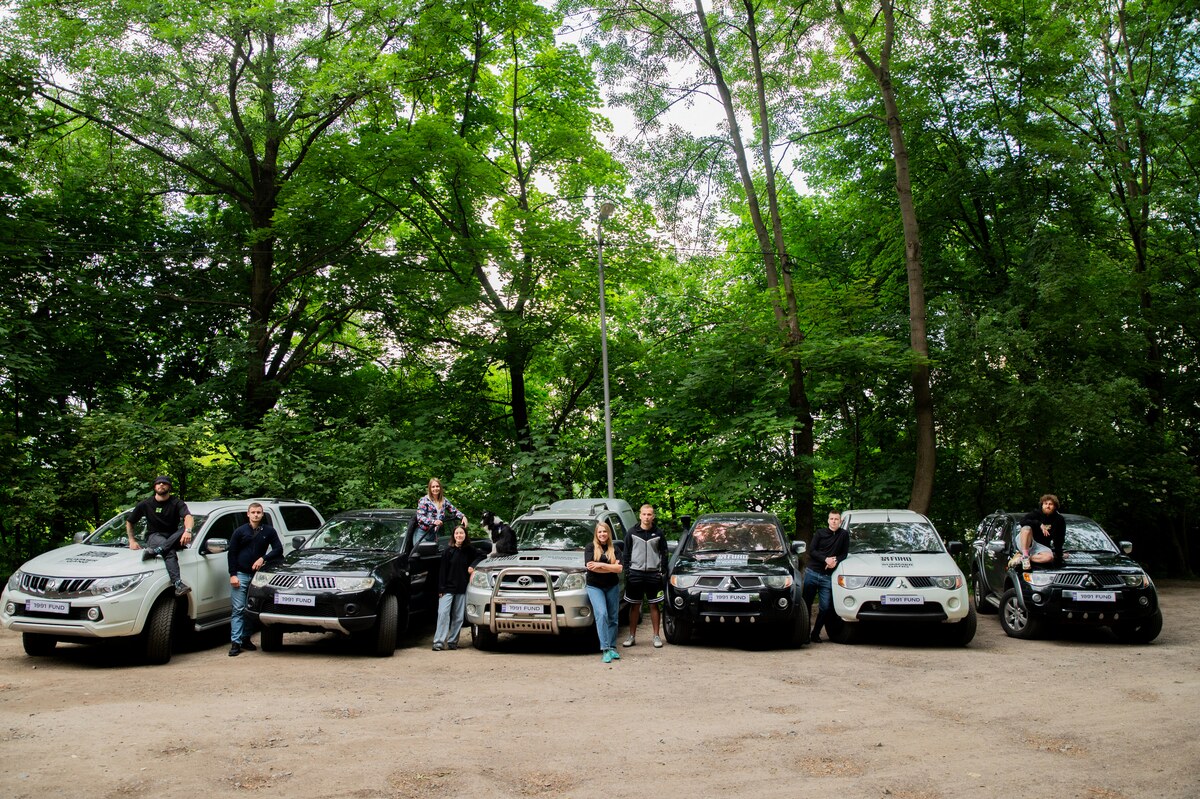
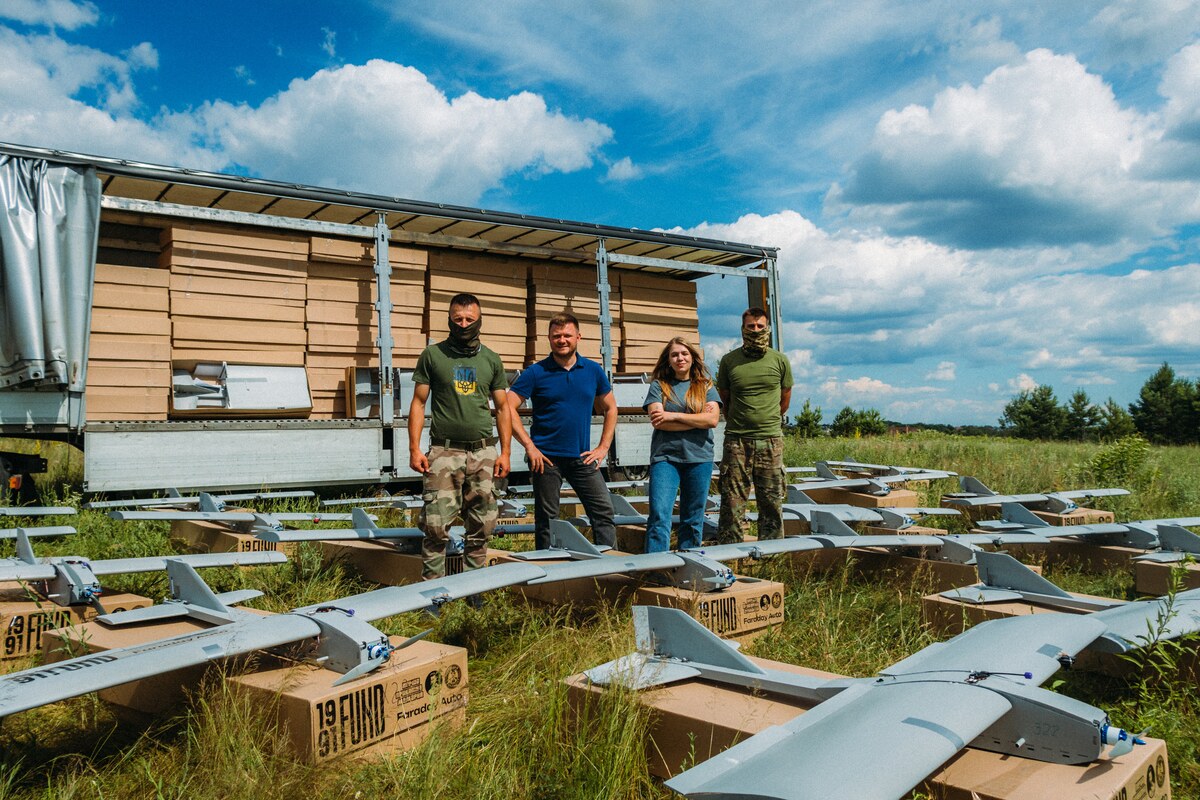
We started by purchasing drones of various types, drones and cars. In 2022–2023, the state did not have the resources and capabilities for such large-scale drone purchases as it does now. But even at the beginning, only some of the most advanced brigades operated drones. Now, each brigade has its own battalion or company of unmanned systems. Already in 2025, we will have significantly fewer requests for large reconnaissance drones than even a year ago. The state is probably providing this to a large extent. But requests for Vampire-type drones have increased significantly. We literally have an active collection of UAH 5 million now open, and 70% of this collection is for «vampires.»
Again, if in its pure form the problem of purchasing the same FPV drones is not so acute, then there is a huge demand for components. What do I mean? For example, the state purchased a large batch of drones a year ago. But while the tenders were taking place, the military simply stopped working on such and such frequencies, with such and such a type of communication, with such and such optics. When drones from state procurement reach the final brigade, they are no longer relevant to them. In fact, a carcass is taken from these drones, and everything new is thrown on it. Workshops are formed in the brigades that do this.
Purchasing components is also a new vector of the foundation’s work. We already have three workshops that we help organize their work.
If we talk about logistics at the LBZ, then it is now very complicated due to fiber-optic drones and the enemy’s «waiters». Because of this, vehicles have a shorter life at the front and need constant replacement. This is our number one in terms of requests. Also, due to complicated logistics, the demand for NRK has increased significantly. Last year there was the first such collection, and now such requests are systematic. We purchase new units almost every week.
— Regarding fundraising, does your foundation’s main income come from ordinary people or, perhaps, from business? How do you generally work with business to attract them to your projects?
— I think it’s about 75% to 25%. Most of ours are fundraising campaigns to raise money from people. As for businesses, it’s worth immediately making a distinction between large, medium, and small businesses.
Our target audience is medium and small businesses. Large businesses that are willing to share a certain amount to support the military are more interested in working with a larger, much more media fund, so to speak, to do it in a certain format of «marketing expenses.»
Small and medium-sized businesses, on the other hand, are interested in a more personal approach to fundraising campaigns, in which we, as a foundation, can be a good partner.
The format of so-called «food collections» works great. This is when a business donates its products for collection for X hryvnias, and we attract donors for X10 hryvnias from these products. For example, we recently held an «Operation Fluffy» collection together with the Stay Slowly brand. We gave away key chains, cosmetic bags, bags, and laptop cases from this brand to everyone who collects a certain amount at the bank. This approach allows us to significantly scale the company’s donation.
Of course, there are also simpler formats of cooperation. For example, recently the SHOco chain transferred 100,000 UAH from its collection to us. They ran a campaign that a certain percentage of the sales of their specific desserts went to the military.
— In your opinion, can the work of charitable foundations in Ukraine be called a certain competitive environment? How can you, a relatively small foundation, work in this competitive environment when huge foundations accumulate most of the citizens' money?
— I think that’s exactly what you could say, and we’re trying to find our niche in this competitive environment. Our goal is not to steal money from someone that’s already going to the military. We’re trying to generate it where it wouldn’t go to the military, but would stay either in business or with people.
We try to do campaigns that would resonate with people and be quite personalized. For example, the foundation has had a full-fledged campaign for holding memorial gatherings for the past two years. What do I mean? It’s not just about fundraising, but about some kind of educational goal. This is a story about cultivating the institution of memory as such in our society.
We are losing a lot of people in this war, and most of these people are truly extraordinary individuals. We try to talk a lot about them and tell about their achievements, about what they did to keep their cause alive. For example, we hold joint events in memory of Dmytro Pashchuk, who was a Lviv restaurateur, scout and close friend of the foundation community. One of the workshops that provides the 3rd OSHB battalion is called the «Crane Workshop» — in memory of Dmytro, for whom this symbol was important.
We also have a current collection dedicated to the Revolution of Dignity. We try to highlight each anniversary or memorable date not with a simple picture on social networks, but to create an information campaign that will promote remembrance and be something more than a post or collection. This year’s collection we dedicated to Serhiy Didych, who died on the Maidan. To Ira’s father, who is a close friend of our foundation.
Last year we met Sofia, who was the fiancée of Vitalik «Tourist» Karvatsky, a fallen soldier of the 3rd OSHB. Together with Sonya, we implemented a large campaign in his memory for the unit in which Vitalik served. It is very important for people to talk about their relatives and understand that you are involved in their cause even after their death.
— Returning to the large funds, are there any things that you were able to learn from each of them? Or, perhaps, there are some things that you would definitely like to do fundamentally differently, because no one is perfect.
— It was very important for us to ensure maximum transparency and logic of all processes, as is done in «Return Alive.» If you go to our website, we report on each transfer to the military and all funds raised.
When the tax inspectorate first came to us in December, we closed all the issues in a day and a half. We could have done it in one day, but I simply physically didn’t have time to print out the number of documents they needed. So for us, it was a really cool marker that the legal part of our work is at its best.
The issue of accountability in the field of charity in general is very acute, and the public is trying to control where their funds go. However, I have the utmost respect for stories like «Prytula, where is the satellite?» Because everyone who systematically engages in volunteering understands perfectly well how people like to fill up comments with stupid questions. And usually these are the people who do not donate to these gatherings. That’s the paradox.
As for Serhiy Sternenko, this is a good example of how a person has focused on a narrow niche. He collects on drones — and does not take other requests. This is a great option to be as effective and competent as possible in his field.
«Over the entire period of the fund’s operation, we have taken zero hryvnias to support our activities»
— You gave an example of how you resolved the issue with the tax office quite smoothly and promptly in a day and a half. And actually, what systemic problems do you and charitable foundations in general encounter in their interaction with the state?
— First of all, the state still does not have clearly defined mechanisms for the work of charitable foundations regarding the same reporting. There are also many problems with the process of transferring property.
For example, the topic of transferring cars to servicemen is constantly raised. But what will happen to those cars after martial law ends? Do they remain with these servicemen? Should we, as a foundation, be responsible for ensuring that this property ends up somewhere? How should it be written off? In other words, there are a lot of gray areas.
We are meticulously working with lawyers to somehow insure ourselves in all these issues. Because in this whole story we understand that objectively all the property liability will be on the fund and on me as its director and the main signatory. I sleep well solely because our conscience is clear in this regard, and we know that even if we need to prove or show something to someone, we have everything recorded.
I think it’s a great credit to the IT world that all our systems are set up quite nicely. For example, our management component for managing all projects is fully represented in Jira — everything is connected and synchronized.
That is, even if we look for a project that was a year ago, we will find everything there — all the way from the request to the purchase and transfer. By the way, a separate financial app is also being written for us now to transfer management and money turnover from Excel spreadsheets to it. And this app is being written for us by UCU students under the guidance of an experienced team leader.
What other systemic problems? For example, city councils do not have the right to purchase goods abroad or directly cooperate with charitable organizations.
The inability to purchase abroad immediately means higher prices. If we talk about cars for the front, buying them in Ukraine is 40% more expensive.
So when the city turns to us for help with this issue, we actually don’t have the legal tools to make this purchase. They just have to buy new cars.
Therefore, if we don’t soon have a factory that will stamp out some boxes with good engines and good frames, then it will be very difficult for us.
— You have appealed several times to the IT world or to your IT background. And how do you feel about the fact that, for example, many very large IT companies in Ukraine, due to restrictions on their own policies, do not directly finance military needs?
— In fact, it is very sad. But it also happens that «humanitarian» purchases, in particular those made by IT companies, still end up directly with the military. After all, «humanitarian» vehicles for evacuating the wounded also work for the military and its needs. As far as I know, there are enough such examples.
Of course, I would really like this to be supported by open communication and open fundraising, but in reality, both Europe and America have very strict «policies» when it comes to donations. Here, we need to analyze each case separately and work with it.
— With a background in the IT sector, as the head of a charitable foundation, have you tried to establish systematic cooperation with IT companies? Or, perhaps, have you already done so?
— What we are very proud of at the fund is that during the entire period of its operation, we have taken zero hryvnias to support our institutional activities.
We spend 100% of the proceeds on the needs of the army. If you give us 20 UAH, all 20 UAH will go towards a specific drone or pickup truck.
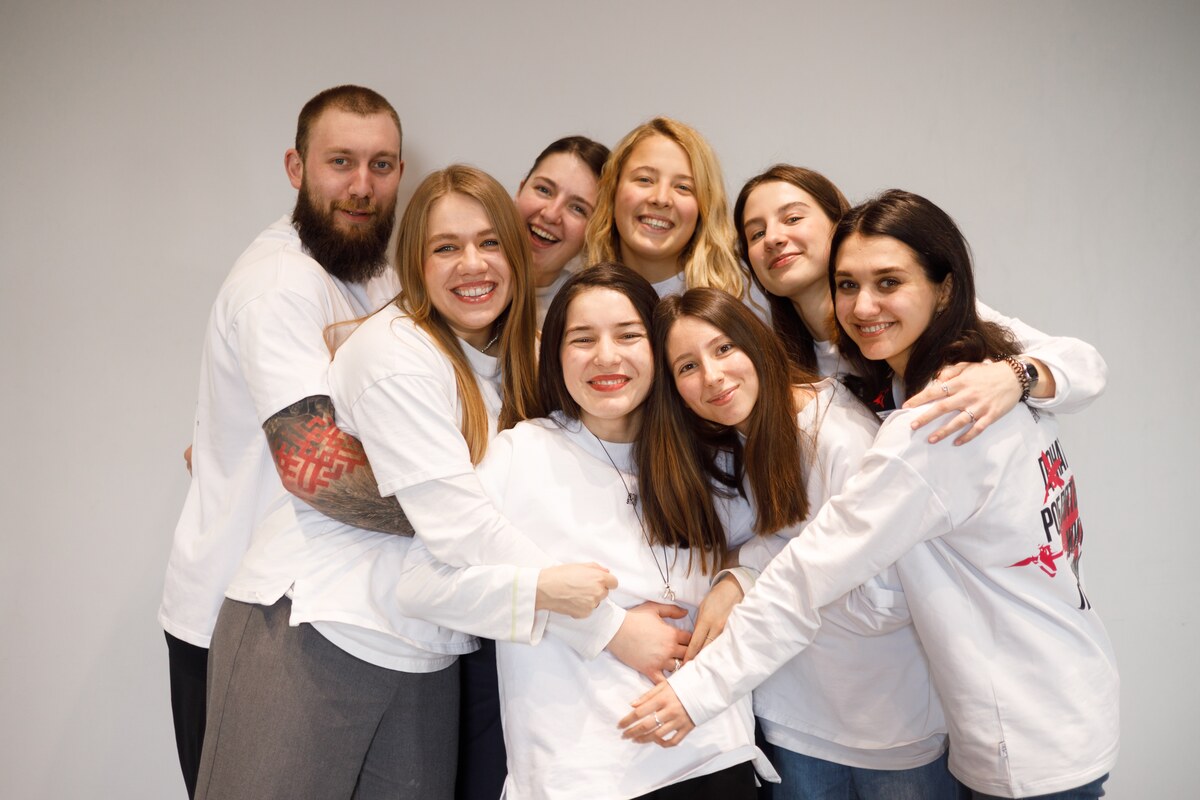
And in this, too, IT companies help us, in particular. First of all, we would like to thank Develux. The founder and CEO of Develux are donors to our «administrative department». That is, people literally donate significant funds from their budget every month so that we can support our administrative activities. Thanks to this, we began to develop the team — now we have 10 people.
The second thing I would like to draw your attention to is that IT companies help us with specific tools in our work. In particular, the same company Develux developed our website, and Anastasia Knyga developed the design. And it’s all completely free of charge. This is if we talk about our internal cooperation.
As for external cooperation, in fact, in support of the army, we have a very cool annual initiative that the TechMagic company suggested we implement together.
On October 1, Defenders' Day, we are jointly trying to generate additional funds to support our army. How exactly? We are calling on IT companies and their employees to work overtime on one of their non-working days. All the additional funds that these employees would receive, and the company’s profits, are accumulated and transferred to the army. This year, this initiative raised about UAH 10 million.
We also have systematic cooperation with Under Defense and Shelf. We also implement military projects with our friends from the aforementioned TechMagic and Develux companies. Well, large IT companies usually have their own charitable foundations and work directly with them.
«At 27, I had to do things that a 27-year-old girl shouldn’t do. And it’s not a fact that anyone would have to.»
— In 2024, you released a calendar with very public and famous Ukrainian military personnel. Can you recall anything else that was equally media-worthy that your foundation did? Or maybe it was just important to you for other reasons.
— We understood that a young team needed to enter this conditional «volunteer market» with something quite powerful. I am still shocked that we managed to realize this, because at that time we attracted the most well-known and reputable military personnel and veterans in society who agreed to this adventure.
And this, by the way, was a project where the entire campaign was run entirely on a volunteer basis. Absolutely all the people involved did it for free. Despite the fact that at that time we did not yet have such a centralized fund team.
After that, probably the most media-worthy of our projects were the memorial gatherings that I already mentioned, because a truly huge number of people join them. Social media is oversaturated with typical gatherings, and it’s important for people to have some value in what they do.
In addition, the raffle meetings are going very well. For example, back in 2023, we were given our first car for a raffle. And after that, it became a regular format for our meetings. Probably, our seventh car is being raffle now.
In addition to cars, we were giving away two motorcycles. One of them was given to us by a soldier from the Nachtigall unit, for whom this gathering was held. My friend Roger gave us his very custom and cool Honda motorcycle. And it so happened that the winner of the draw refused her prize, leaving it to the soldier. This is despite the fact that Roger and his brother came from Donbass specifically to give this motorcycle. In fact, everyone was very touched.
— How much creativity did your team have to increase to still be able to close large gatherings when everyone is complaining about decreasing donations?
— I am a little annoyed by the rhetoric in society, according to which people supposedly «killed» for the war and no one will donate. This is not true, and in this case I am operating with statistics.
What’s the problem? It’s become harder to raise these funds for each specific collection. If in 2022 I spent one day on the collection and I just had to throw up a story, even without a high-quality picture, then now it won’t work. Since in 2022 in my social bubble I was the only volunteer who collected funds, and all my friends reposted my bank, now each of us has a friend, best man, brother, matchmaker who is fighting.
If we take 2023, when we founded the fund and started implementing million-dollar projects, we needed X efforts to close the million-dollar fund. Now, as of the beginning of 2026, we probably need X8 of these efforts.
Therefore, there was no decrease in the amount of money available to help the military, it was just that the number of collections increased many, many times over.
It seems to me that our strength as a foundation is that we don’t just try to produce «empty creativity» and «colorful pictures.» At this stage of a full-scale war, people need involvement and involvement — that you are doing something really important, that it makes sense, that there is real profit from it. That’s why we all need a more meaningful story. Talking about big campaigns with amorphous end goals is completely unproductive.
The truth is that the approach of diversifying cans and fees takes more and more time and effort with each subsequent time.
I remember that once Lachen expanded our collection to the calendar, and my Monobank wouldn’t stop ringing at midnight — every second I received a notification about a donation. Then, in three hours, almost 3 million UAH came. Now, it’s not on such a scale at all, absolutely. But it’s important for people to see the applied value of their donations. Or donate to competent people.
That’s why, in my opinion, many people donate to Sternenko — because he himself is directly and deeply involved in the entire procurement process, he demonstrates an understanding of the subject from a professional point of view, and does not simply raise funds and pass it on to someone. This institution of trust works for people.
— Finally, I would like to ask: what did you lose when you left IT, and what did you gain when you started volunteering?
— Honestly, I didn’t lose anything except money. But this experience is impossible to compare, because in relation to the needs of the front, it seems to me that I grew up a lot at one point. At 27, I had to do things that a 27-year-old girl probably shouldn’t have done. And it’s not a fact that anyone would have to, regardless of age. Unfortunately, here you are very often at the epicenter of emotionally difficult events.
If I had stayed in IT, I wouldn’t have had this experience. When we were preparing one event, I thought a lot about the fact that helping the army would never be enough. No matter how much you raise, it’s always not enough. The army draws so many resources and funds that you’ve deliberately lost this race. And even if you put all our volunteer structures together, we don’t cover even a 10th of what the army actually needs. Realizing this makes you a little «demoralized.» But then you think to yourself: «Okay, but if there’s at least one life saved in all this, isn’t that enough?» And I firmly believe that there’s more than one life saved here.
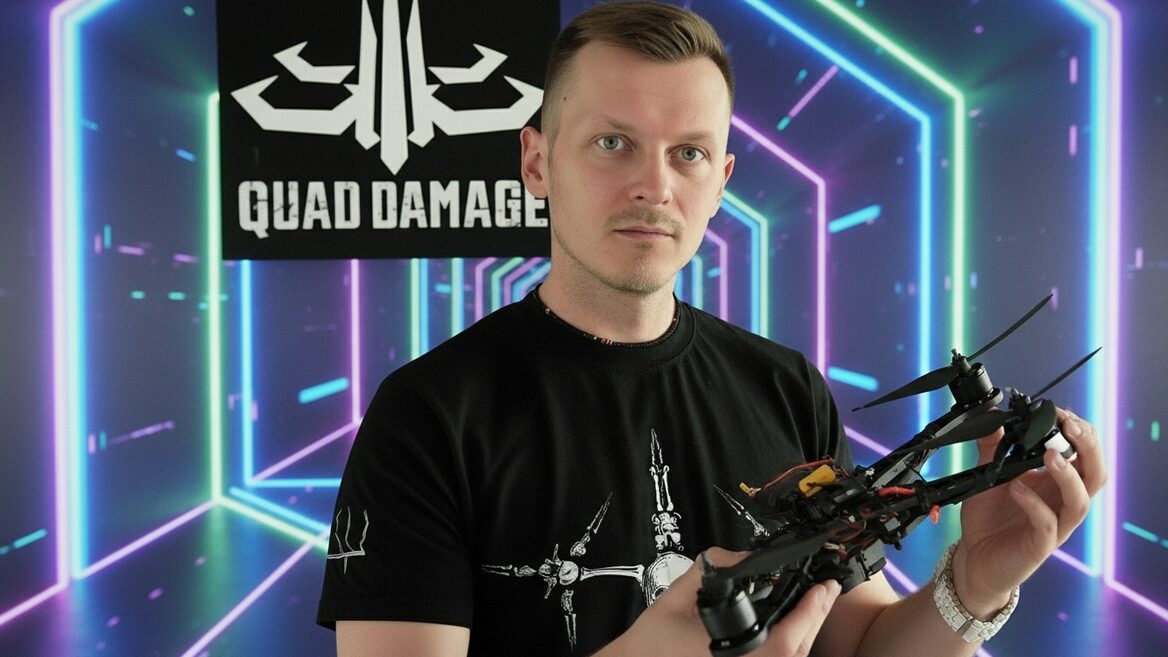
«You are either in the army or for the army.» Capgemini Engineering from Aitivka and friends organized a mini-company to assemble FPV drones. How Quad Damage helps destroy the enemy and protect the lives of Ukrainian soldiers