Superhuman has released an update to its AI assistant Go. It allows you to create your own AI double that writes text and controls other agents
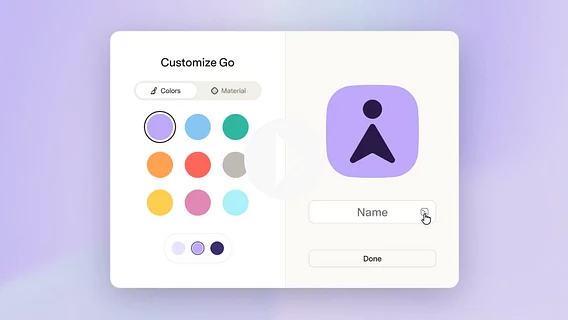
Superhuman Inc. (formerly Grammarly) has introduced a major update to its multi-agent platform Go. Users can now set up a personal AI assistant inside Go, give it a name, teach it your own writing style, and assign it to coordinate with other specialized agents in the background.
Superhuman Inc. (formerly Grammarly) has introduced a major update to its multi-agent platform Go. Users can now set up a personal AI assistant inside Go, give it a name, teach it your own writing style, and assign it to coordinate with other specialized agents in the background.
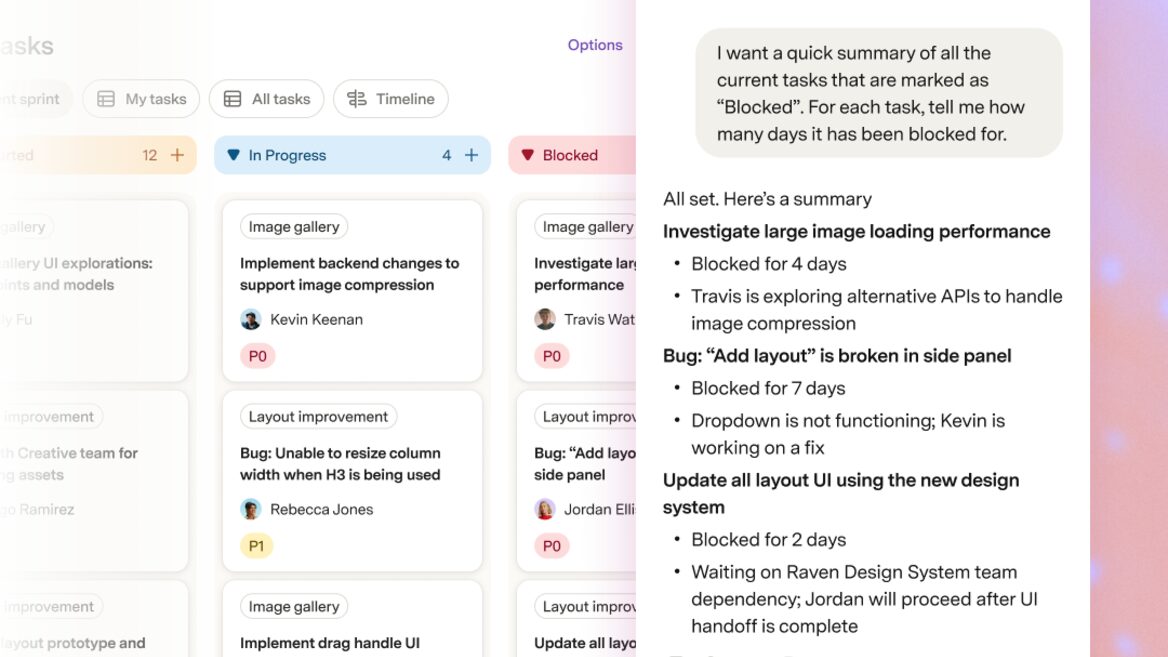
The main change is the transition from standard prompts to deep personalization. The new assistant acts as a digital assistant for a particular employee: it analyzes connected work tools, monitors deadlines, prepares for meetings and drafts emails, imitating the user’s tone and manner of communication. The assistant learns from previous responses and works ahead of time, offering to perform routine tasks even before a direct request.
In addition to the personal assistant, Superhuman has made the Go SDK publicly available. This allows customers and partners to develop and integrate their own custom agents. The platform library has also been expanded with over 20 ready-made partner agents for working with corporate data:
Legora AB — for searching and analyzing legal information;
Live Metrics from Databricks — for monitoring business metrics;
Product Check by Amplitude — for checking product analytics;
Assignment Coach from Blackboard — to help students with their studies.
At the same time, the company has deepened the integration of AI agents into all products in its ecosystem. In the Docs workspace, you can now tag any agent using the @ symbol as a regular colleague to share a piece of text or a table with them. Agents can update documents automatically based on set triggers in the background, pulling up current data from email or third-party services.
In Mail, agents generate real-time suggestions by gathering context from Slack and internal documents. The company says that auto-drafts save an average of 9 minutes per email (about three hours per week, assuming you write four emails per day). In addition, the Fathom note-taking service has been transformed into a bot-free collaboration tool, now supporting video, audio, and screen sharing directly within the Superhuman ecosystem.
Як нейромережі бачать вільну та незалежну Україну? Тест dev.ua
Нейронні мережі для генерації зображень бачать світ по-своєму, їхню логіку зрозуміти часом зовсім неможливо. Але таки хочеться. На честь Дня Незалежності України редакція dev.ua вирішила провести невеликий експеримент.
Ми задали чотирьом різним нейронним мережам п’ять однакових запитів: «прапор України», «День Незалежності України», «український Крим», «перемога України» та «українці». Отриманими результатами ми ділимося з вами нижче.
У TikTok тепер можна генерувати фон за допомогою нейромережі. Ми протестували її та ділимося результатами
У TikTok з’явилася нова функція «Розумний фон». З її допомогою як фон для тіктоків можна підставляти згенеровані нейромережею зображення. Редакція dev.ua протестувала цю технологію і ділиться своїми враженнями.