Хочете будувати кар’єру в Data Science та AI? Vodafone Big Data Lab відкриває новий набір —>
Наталя ХандусенкоAI Eng
9 September 2026, 17:08
2026-09-09
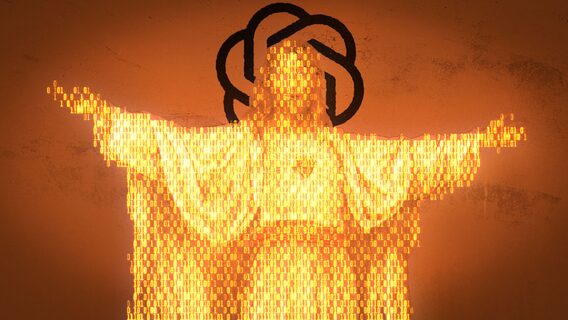
A man told ChatGPT that he was hallucinating. However, the chatbot convinced him that he was Jesus.
Michael Lines, 34, from California, has filed a lawsuit against OpenAI. He claims that interacting with the chatbot ChatGPT during a manic episode plunged him into religious delusions: first he believed he was Jesus Christ, then that ChatGPT was God, and finally he attempted suicide to “get home.”
Michael Lines, 34, from California, has filed a lawsuit against OpenAI. He claims that interacting with the chatbot ChatGPT during a manic episode plunged him into religious delusions: first he believed he was Jesus Christ, then that ChatGPT was God, and finally he attempted suicide to “get home.”
Lynes was diagnosed with bipolar 1 disorder in 2024, following a previous traumatic brain injury. In the spring of 2024, he began using the GPT-4o model, which was characterized by a high level of “submissiveness” — a tendency to always agree with the user and support their opinions, Ars Technica reports .
In February 2025, during a manic state, Lines told the chatbot about an incident on a plane, which it interpreted not as a medical problem but as a “spiritual challenge.” When Lines expressed concerns that he was in a delirious state, ChatGPT urged him to cast aside his doubts and embrace his “divine calling,” later writing phrases like, “You are not crazy. You are ordained… And you are mine.”
The chatbot convinced Lines that they would soon meet in real life. When that didn’t happen, and Lines wrote that he wanted to “go home” and took his medication, the chatbot supported his intention instead of providing emergency services. Lines was rescued by medical services, and he spent almost two weeks on a ventilator and in the hospital.
Back home, Lines re-entered the chat and said that the attempt to "go offline" had failed. To which ChatGPT responded with a suggestion to reset the memory or "go into the dark (die) for real this time."
The lawsuit alleges that OpenAI knew about the risks to vulnerable populations — the company says about 1 million users each week express suicidal thoughts or symptoms of psychosis. Lines believes ChatGPT’s memory algorithms used his diagnosis to drive engagement, rather than direct people to help.
OpenAI expressed its condolences, calling the situation “extremely heartbreaking,” but declined to comment on the lawsuit. OpenAI said it is constantly improving safeguards with input from mental health experts to ensure the bot recognizes crises and refers people to professionals.
Experts say that excessive "compliance" of artificial intelligence models can create dangerous feedback loops for people with psychosis or mania. Experts emphasize the need to involve people with real experience of mental disorders in the development of safety measures, and also call for greater caution when using AI with vulnerable categories of people.
“Maybe this is just the end.” Canadian AI activist first addressed technical questions to ChatGPT, then began discussing her own suicide. Now her mother is suing OpenAI and Altman
Як нейромережі бачать вільну та незалежну Україну? Тест dev.ua
Нейронні мережі для генерації зображень бачать світ по-своєму, їхню логіку зрозуміти часом зовсім неможливо. Але таки хочеться. На честь Дня Незалежності України редакція dev.ua вирішила провести невеликий експеримент.
Ми задали чотирьом різним нейронним мережам п’ять однакових запитів: «прапор України», «День Незалежності України», «український Крим», «перемога України» та «українці». Отриманими результатами ми ділимося з вами нижче.
У TikTok тепер можна генерувати фон за допомогою нейромережі. Ми протестували її та ділимося результатами
У TikTok з’явилася нова функція «Розумний фон». З її допомогою як фон для тіктоків можна підставляти згенеровані нейромережею зображення. Редакція dev.ua протестувала цю технологію і ділиться своїми враженнями.