ChatGPT Pro for $100: OpenAI launches a new plan focused on daily code work
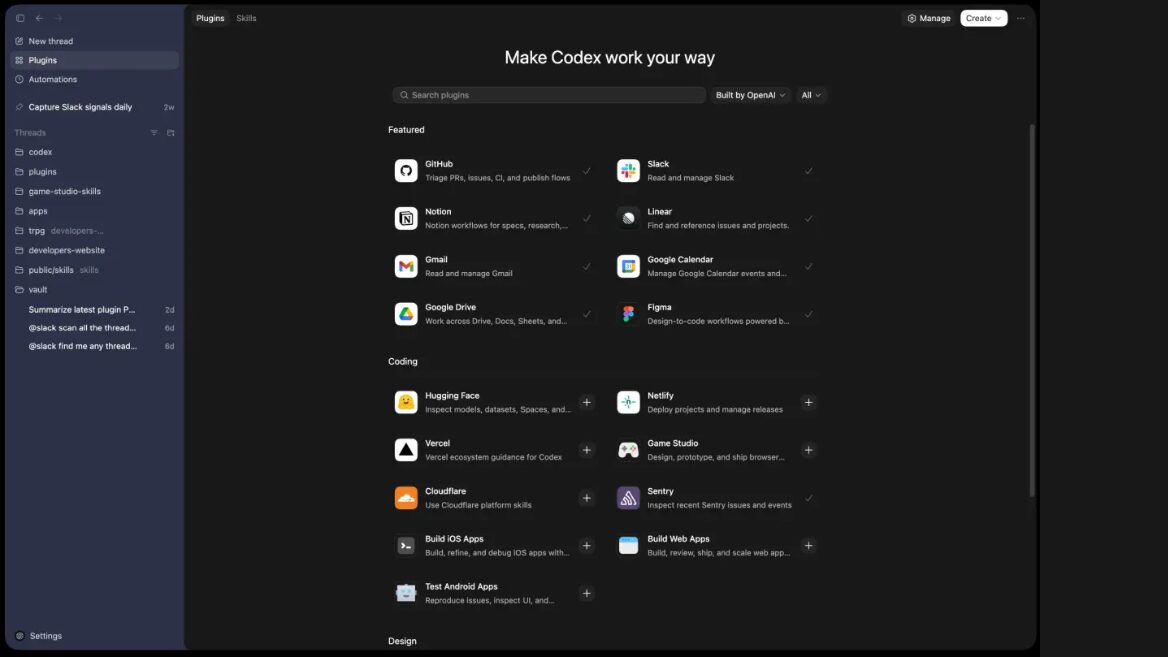
OpenAI has introduced a new $100 plan aimed at everyday use of its Codex tool, which the company says will offer five times more coding capabilities than the Plus plan.


OpenAI has introduced a new $100 plan aimed at everyday use of its Codex tool, which the company says will offer five times more coding capabilities than the Plus plan.

OpenAI has introduced a new $100 plan aimed at everyday use of its Codex tool, which the company says will offer five times more coding capabilities than the Plus plan.
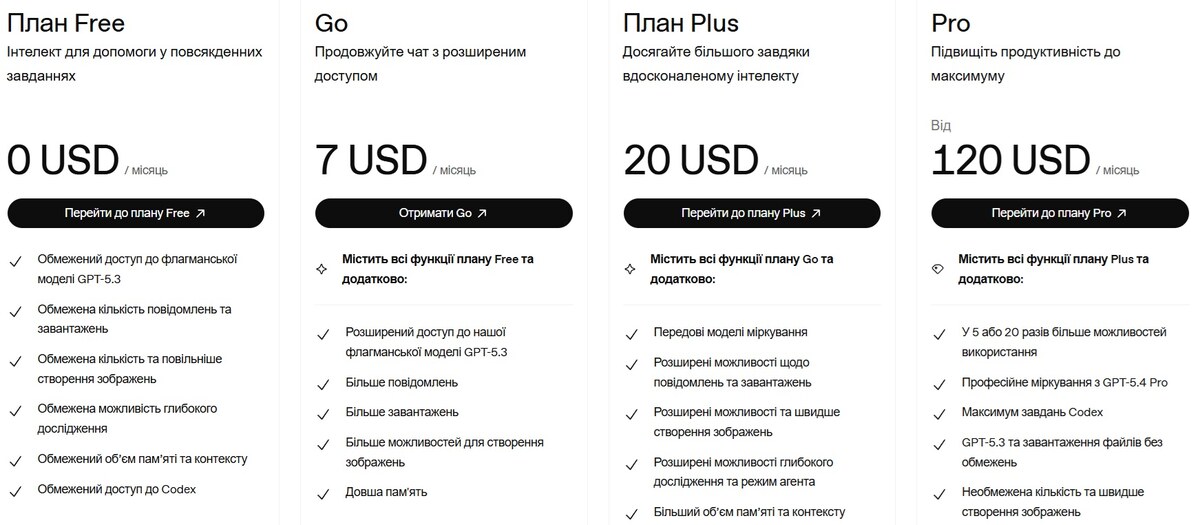
Until now, the monthly plan lineup looked like this:
OpenAI’s pricing page currently doesn’t list the $200 per month plan at all. However, that top tier subscription is still available, TechCrunch reports .
Currently, only one Pro subscription level is available to users in Ukraine, priced at $120 per month.
OpenAI does not hide that this new price level will challenge Anthropic, which has long offered a $100 per month option for Claude.
“The new $100 Pro tier is designed to give developers more hands-on coding for their money, especially during intensive work sessions when limits matter most. Compared to Claude Code, Codex delivers more coding for every dollar spent among the paid tiers, and this difference is most noticeable when actively working with code,” an OpenAI representative told TechCrunch.
It is worth noting that until May 31, OpenAI is offering even higher limits on Codex within the $100 tariff. So anyone who tries out the new subscription level, starts coding fanatically, and never receives a warning about exceeding the limits should keep in mind: this situation will most likely not last forever.
None of the plans offer unlimited usage. However, the $200 plan offers 20 times the limits of Plus. In the FAQ section, the developer promises that this is enough to “support your most demanding workflows without interruption, even in parallel projects.” Both Pro plans have the same basic set of features. According to the company, the main difference lies in the request frequency limits.