Валентин ШнайдерWar
12 September 2025, 11:24
2025-09-12
Drones over Poland have become a pretext for a new wave of Russian disinformation
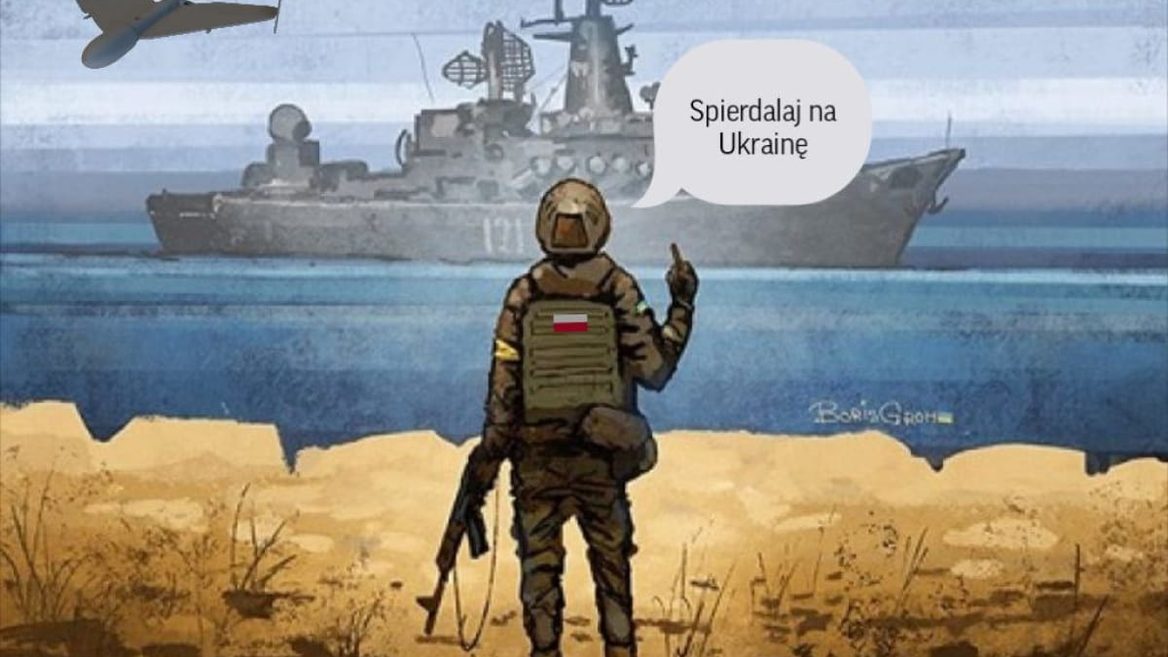
The Russian drone attack that entered Polish airspace on September 10 and left behind drone and missile debris has become the launch point for a new powerful information manipulation campaign. While Poles analyze the geopolitical consequences of the incident, pro-Kremlin channels are shaping narratives that are intended to influence Polish public opinion against Ukraine.
The Russian drone attack that entered Polish airspace on September 10 and left behind drone and missile debris has become the launch point for a new powerful information manipulation campaign. While Poles analyze the geopolitical consequences of the incident, pro-Kremlin channels are shaping narratives that are intended to influence Polish public opinion against Ukraine.
As reported by «Spravdy», in the few hours after the event, more than 5 thousand publications in Polish were recorded on Facebook, X, YouTube, Telegram, TikTok with a reach of about 30 million views. A significant part is about 450 open comments and posts directly accusing Ukraine, with a reach of over 5.5 million views of such statements.
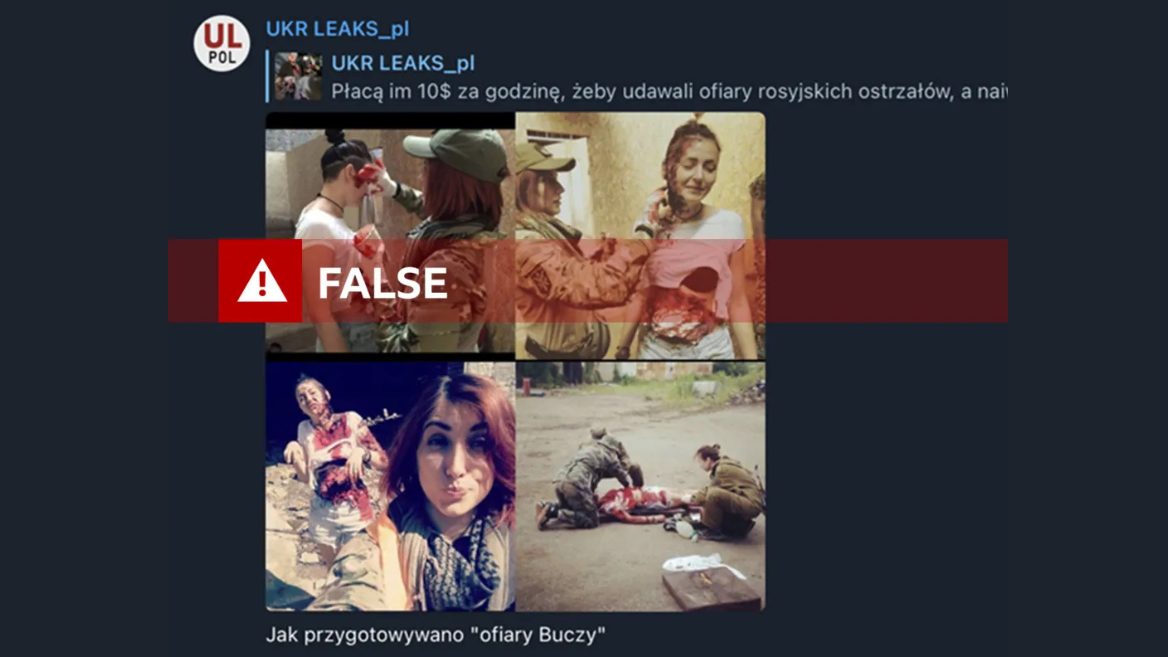
From the available data, it follows that some of the comments contained messages such as: «Ukrainian provocation», «Ukraine wants to drag Poland into a war with the Russian Federation», or that the Ukrainian air defense allegedly intentionally allowed drones to end up on Polish territory. A significant number of these posts were very similar to each other, probably automatic or using bot accounts: identical wording, Russian symbols on avatars, profiles with Latinized names, etc.
Within minutes of the incident, pro-Kremlin media and some Polish platforms were already running stories or analytics linking the attack to «Kyiv’s provocative policy» or that Poland had allegedly come under attack «due to Ukrainian mistakes.»
These messages are also supported by the fact that the official Russian reaction quickly began with denials — the Russian Foreign Ministry stated about «myths» and unfounded accusations from Poland, while at the same time promoting the version that the incident could have been provoked by Ukraine specifically to draw NATO into a military confrontation.
Ordinary Polish citizens may be particularly vulnerable in this context, seeing messages with the sign «Ukraine attacked again», «NATO got into the war because of Kyiv». Thanks to bot farms, these statements spread very quickly. Comments similar in content often multiply in different groups and chats simultaneously.
The situation poses a horizontal threat to the Ukrainian-Polish partnership: such an information wave can undermine trust, create doubts among Polish society about support for Ukraine, or even force politicians to reconsider foreign policy priorities.