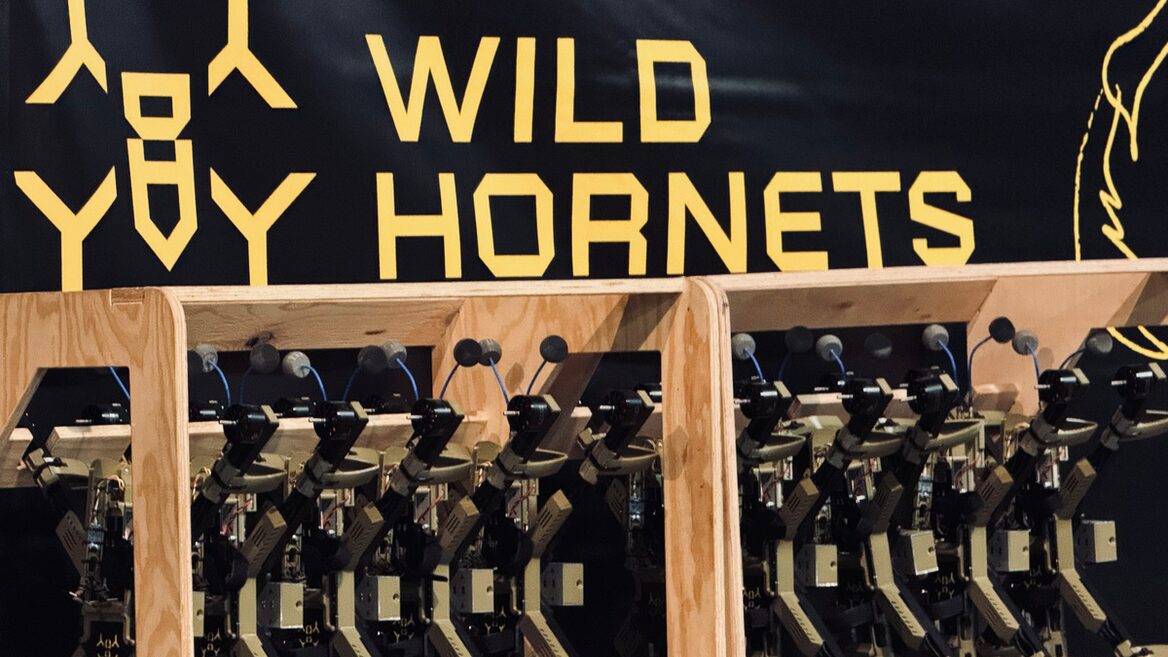
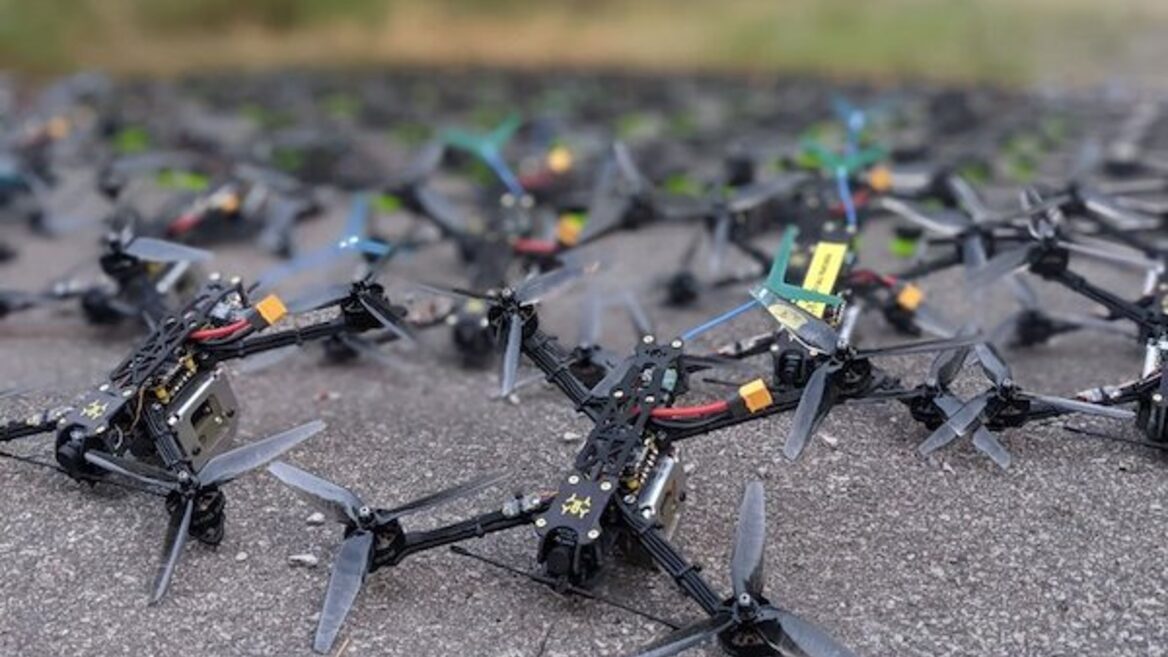
"Wild Hornets" published the results of the work of the first private air defense unit
Ukrainian MilTech company "Wild Hornets" has revealed details of the activities of "Night Hornets" - the first private "small air defense" unit in Ukraine.


Ukrainian MilTech company "Wild Hornets" has revealed details of the activities of "Night Hornets" - the first private "small air defense" unit in Ukraine.
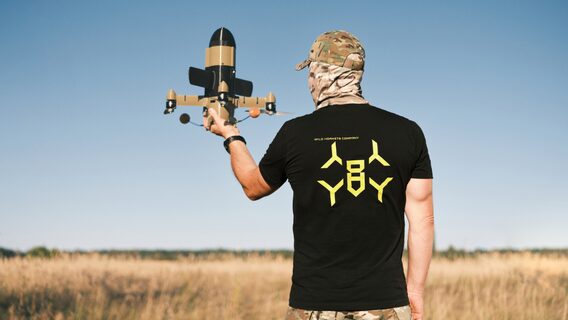
Ukrainian MilTech company "Wild Hornets" has revealed details of the activities of "Night Hornets" - the first private "small air defense" unit in Ukraine.
Test pilots, working in close cooperation with the Ukrainian Defense Forces, have already destroyed 36 enemy targets. A significant part of the downed "Shaheeds" and other air threats were neutralized remotely thanks to the company's own high-tech developments.
The crews include both veterans with real combat experience and young pilots who are improving their skills. The unit's work is fully funded by the Wild Hornets company.
The Night Hornets have been working with the Defense Forces since 2024. Together with the Ukrainian military, they directly participated in the development and testing of prototypes of high-speed Sting interceptor drones in combat conditions. This allows us to consider the unit as the first private “small air defense” crew in Ukraine.
Since the summer of 2025, the unit has also been carrying out a training mission: during this time, Night Hornets instructors have trained over 1,000 military pilots for the Defense Forces. Today, the team combines daytime teaching with nighttime duty in the sky.
The unit's main technological breakthrough was the Hornet Vision Ctrl remote control system. It allows specialists to be in the Kyiv region and work on targets in eastern Ukraine, where spotters only prepare and equip the aircraft.
“Now we can both train people and work effectively in the area entrusted to us. Thanks to Hornet Vision Ctrl, in a short period of time we have already confirmed 21 targets downed and 9-10 targets hit. The total number of targets shot down by our crew is 36,” says the head of the Night Hornets unit under the pseudonym Pylyp.
He emphasized that this system allows one pilot to control from 5 to 10 positions near the front line instead of just one. In addition, the regular involvement of instructors in performing real combat missions allows them to constantly maintain relevant experience and transfer it to cadets.