Хочете будувати кар’єру в Data Science та AI? Vodafone Big Data Lab відкриває новий набір —>
Марія БровінськаStartup
23 June 2025, 10:40
2025-06-23
Greta Thunberg's followers. Moscow schoolchildren created an application that teaches users to live ecologically: how EcoReminder works
A team of students from Kyiv School No. 53, led by a computer science teacher, created an application that motivates users to do environmentally friendly things. We tell you how EcoReminder came about and what it is useful for.
A team of students from Kyiv School No. 53, led by a computer science teacher, created an application that motivates users to do environmentally friendly things. We tell you how EcoReminder came about and what it is useful for.
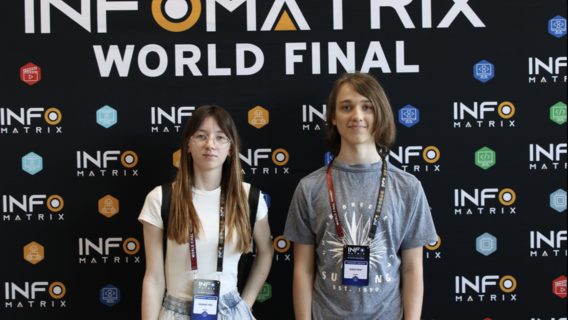
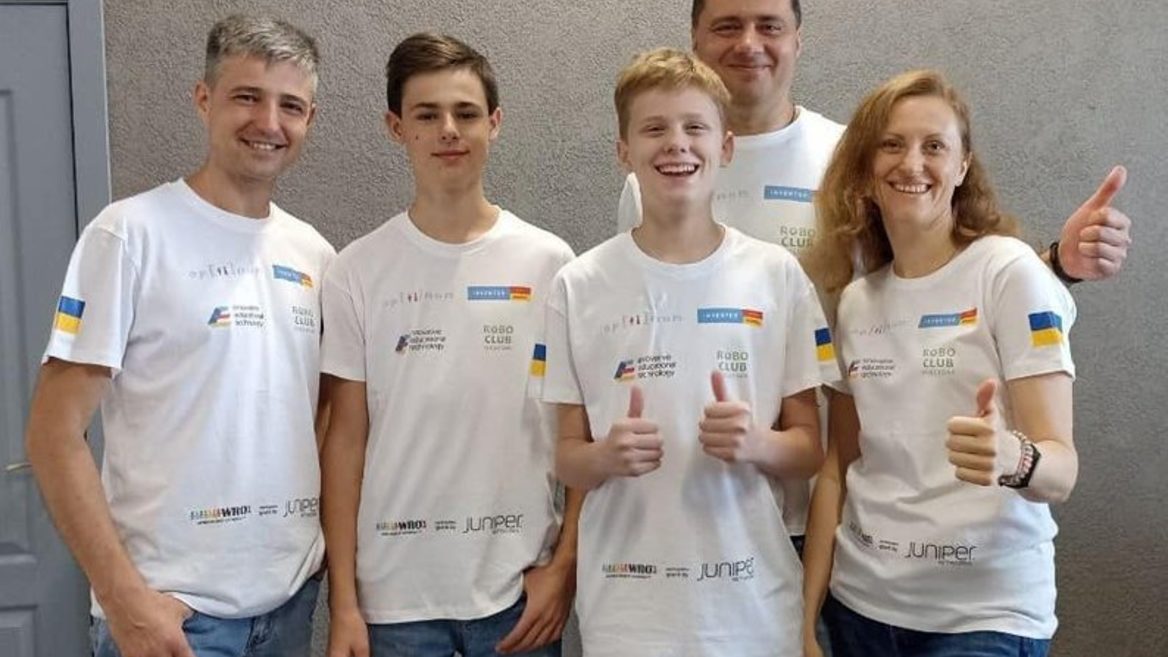
Kyiv schoolchildren — 15-year-old Denys Kulbych and 16-year-old Yulia Vasylenko — developed the basis for the EcoReminder web application, which teaches users about environmental actions, in 24 hours as part of the Infomatrix hackathon in Bucharest. Denys is responsible for the development, Yulia is responsible for the design and user interface.
The team leader is the school’s computer science teacher, Serhiy Khramov.
«Our idea arose due to the relevance of the problem of ecology in the world. Global warming, ocean pollution and, of course, the consequences of wars are leading the planet to destruction. Having received a fairly wide range of topics at the hackathon, which gave scope for creative opportunities, we decided to motivate people to fight for ecology,» the schoolchildren told dev.ua.
How the service works
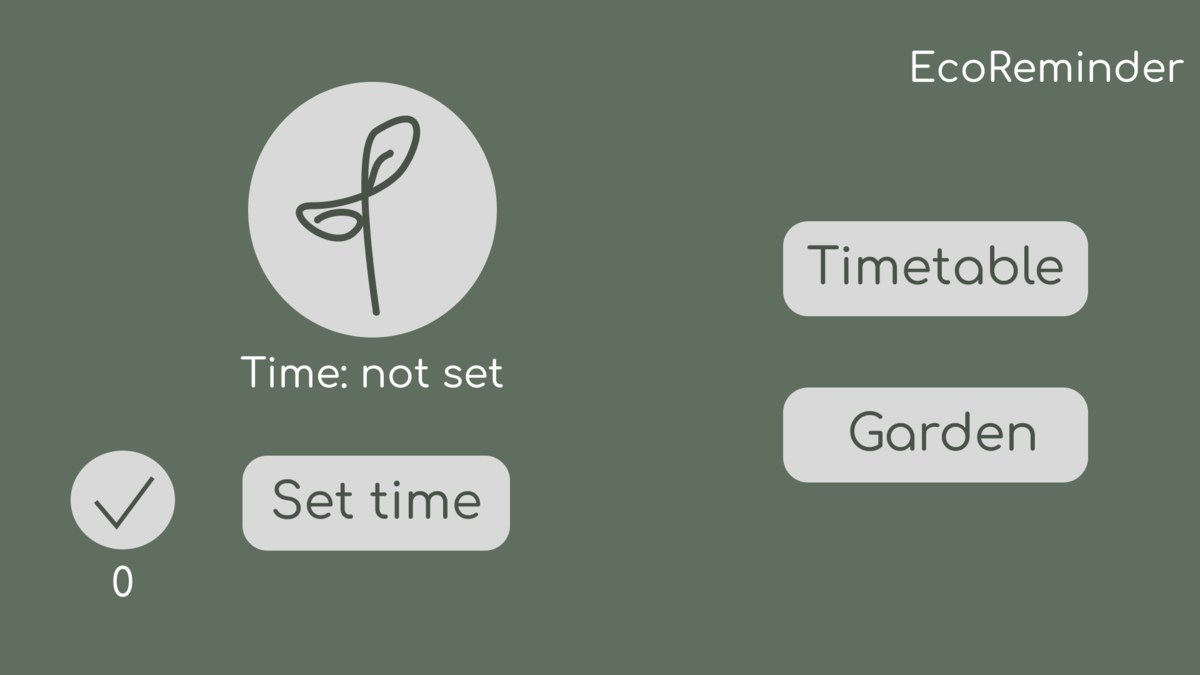
The idea is quite simple: create a web application where the user can set a reminder to do something useful for the environment, and add motivational functionality. First, the user registers with email confirmation via a six-digit code. After registering, the user immediately goes to the main page, where he can create a new reminder. He can also view the last three or those scheduled for the current week.
After the user completes the task they set themselves, they confirm it and receive a reward in the form of a drop of water. With these, they can grow their own virtual plants and climb the rankings among other users.
Development challenges
The easiest stage in the development was creating the design and layout of the site, admit the startupers. «However, there were some problems with writing the backend part, which also had to be presented, at least in the initial stages, within 24 hours of development. We had to work all night and almost without breaks,» says Denis.
To publish the website, the students had to rent and configure a Linux server, which Denis’s cousin, also a Fullstack developer, helped us with.
«There was an interesting moment when I spent almost two hours searching for a problem with sending reminders, and the problem turned out to be in the time zone of the server, which is located in the Netherlands. Sometimes this happens,» the guy says.
At the time of the prototype presentation in Bucharest, the project had unfinished functionality, including the reward mechanics. However, Yulia and Denis were joined by Infomatrix participants and judges who helped test the app and provided useful advice.
Plans and ambitions
The children have big plans for the further development of the project. «We have already invited other developers to the team, who will be able to join us from September. And now, we have joined forces with the team of Dmytro Palamarchuk and Ivan Tyshchenko, the authors of the Firselp startup, with whom we trained and traveled together from the Kyiv Small Academy of Sciences (KMAS) to Bucharest. Until the end of the summer, we will work together on their project, while our new team members are preparing to join us,» says Denys.
A computer science teacher from Kyiv, together with his students, created a war game called Ukrainians: Our battle. The release is coming soon, but for now, the developers are gathering those who want to play on the game’s Steam page.