Esper Bionics announced the new bionic prosthesis Esper Hand 2
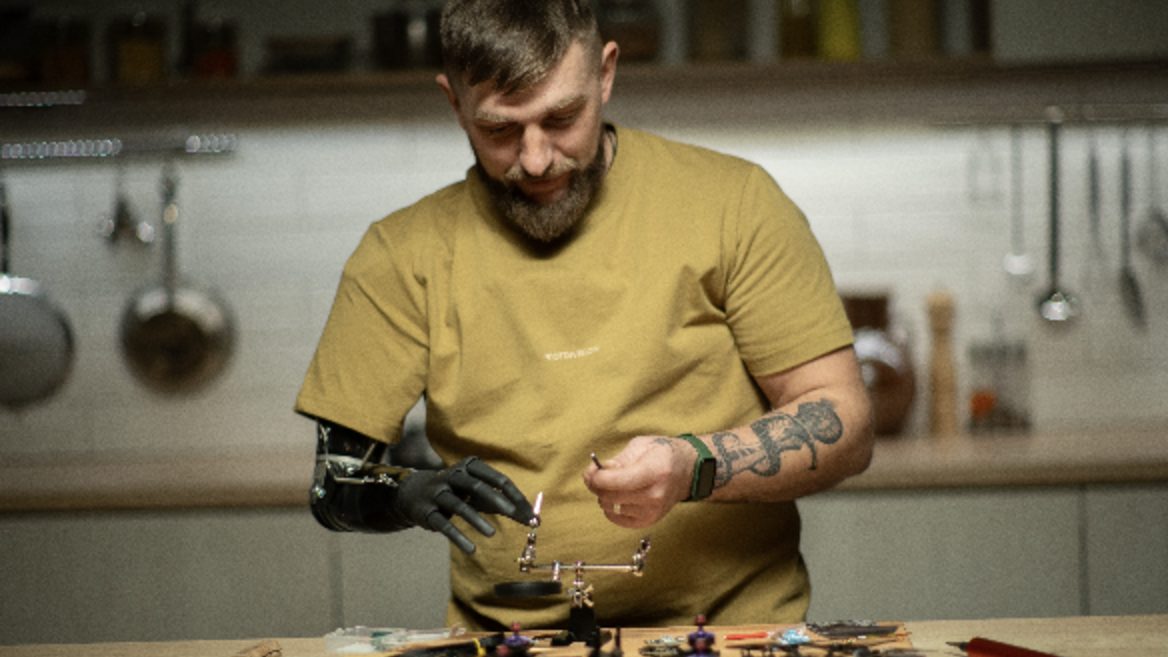
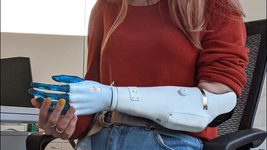
The Ukrainian-American company Esper Bionics has begun accepting pre-orders for the second generation of the Esper Hand bionic self-learning prosthesis.


The Ukrainian-American company Esper Bionics has begun accepting pre-orders for the second generation of the Esper Hand bionic self-learning prosthesis.

The Ukrainian-American company Esper Bionics has begun accepting pre-orders for the second generation of the Esper Hand bionic self-learning prosthesis.
As noted in the company’s short teaser, the Esper Hand 2 will be waterproof for «reliable performance in all conditions».
According to the startup’s CEO, Dmytro Gazda, the Esper Hand 2 will be available for sale soon. «Everyday use, all environments, no compromises», he added.
At the same time, a new product page has appeared on the Esper Bionics website, where you can leave a request to get on the early access list.
Esper Bionics is a startup developing robotic limbs, founded in 2019 by serial entrepreneur Dmitry Gazda, economist Anna Belevantseva, former lawyer Igor Ilchenko, and engineer Boris Lobanov. The company is headquartered in New York City, with R&D and manufacturing offices in Ukraine and Germany, bringing together over 35 professionals with backgrounds in medicine, engineering, entrepreneurship, and sales.
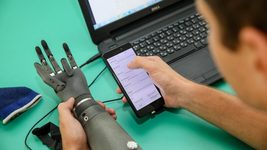
One of the startup’s main products is Esper Hand, a bionic self-learning prosthetic hand that automatically adjusts its functionality to each user’s habits and lifestyle and uses machine learning algorithms to study their behavior, predict movements, and intuitively change grips.
Esper Bionics also creates Esper Control, a portable BCI (Brain-Computer Interface) device, and Esper Platform, a cloud-based software solution for modernizing and personalizing device management. In Ukraine, the company is known for its Esper for Ukraine social program, thanks to which more than 80 Ukrainian defenders have already received bionic prostheses.
Recall that last fall, Esper Bionics introduced a new prosthetic control system, MARS, which uses special sensors and artificial intelligence to recognize muscle movements. Thanks to this technology, the prosthesis can understand the user’s intentions.