Хочете будувати кар’єру в Data Science та AI? Vodafone Big Data Lab відкриває новий набір —>
Оксана СтепураGadgets
3 October 2026, 13:05
2026-10-03
Meta has opened up the code of its tools for Muse. Now you can "populate" the AI agent with your own gadget
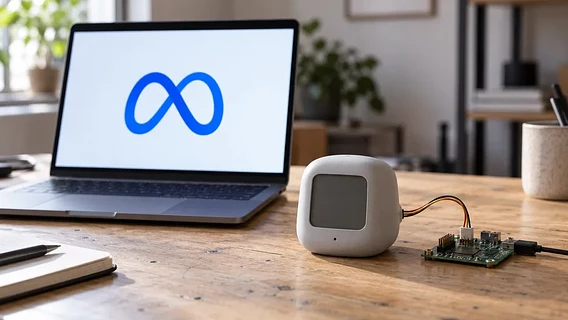
Meta has open-sourced tools that allow developers to "populate" the Muse AI agent with their own gadgets. Now, developers can connect it to Raspberry Pi, ESP32-based boards, displays, buttons, sensors, and other hardware.
Meta has open-sourced tools that allow developers to "populate" the Muse AI agent with their own gadgets. Now, developers can connect it to Raspberry Pi, ESP32-based boards, displays, buttons, sensors, and other hardware.
Meta has made a set of ready-made developer tools and software that can be installed directly on the device publicly available on GitHub. They allow you to configure the gadget's communication with Muse and teach it to work with the screen, buttons, sensors, and other components.
The company is already offering several ideas for gadgets with Muse. For example, the agent could be connected to a color e-ink screen — such displays are used, in particular, in e-books. On it, the agent could show reminders or a shopping list. Or you could use an HDMI stick and display Muse on a big screen or TV.
Muse can also be "housed" in a small device with a screen, buttons, microphone and speaker, or connected to a Raspberry Pi. In the latter case, Meta offers to integrate the agent with Home Assistant and other Linux applications. And for simpler homemade devices, you can use ESP32 — a popular inexpensive microcontroller for electronics and IoT projects. You can add a screen, microphone, speaker or other sensors to it.
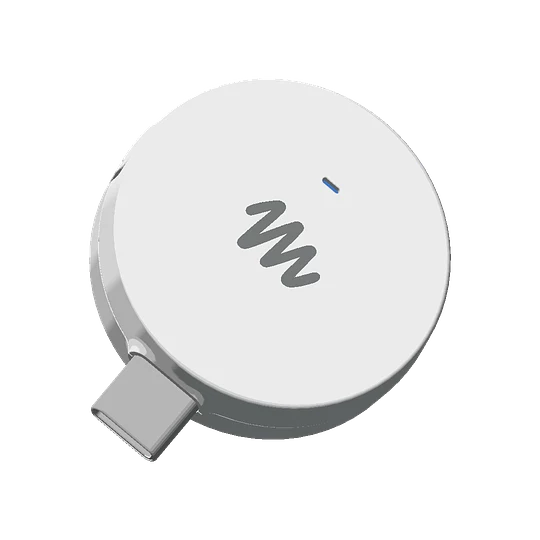
Meta also made its own gadget, the Muse Home Link. It's a small device that connects Muse to your home Wi-Fi network and lets the agent interact with compatible devices.
With community-created skills, Muse can, for example, turn on lights, control a TV, or send a document to a printer. Integrations already introduced include Philips Hue, Sonos, Apple TV, Google Nest, and Samsung TVs.
The company also warns that users create their own Muse gadgets "at their own risk," and that community integrations may stop working. Meta advises against relying on them for critical scenarios related to home security, emergencies, or health.
Previously, dev.ua wrote that Meta had already introduced its own separate device for Muse — Muse Charm, which attracted a lot of attention due to its similarity to Tamagotchi.
Як вибрати монітор, який би оптимально передавав зображення, а також не садив зір. Поради від програміста
Не можеш знайти помилку в коді? Так подивись під іншим кутом! (звичайно ж якщо у тебе не TN-матриця). Занурившись в питання вибору монітору з певним типом матриці, можеш дізнатися про такі властивості, які, на перший погляд, й не помітиш.
Have important news to share? Message our Telegram bot
Key events and useful links in our Telegram channel