Хочете будувати кар’єру в Data Science та AI? Vodafone Big Data Lab відкриває новий набір —>
Олександр КузьменкоStartup
31 January 2025, 14:53
2025-01-31
Helion startup, which is building a fusion reactor for Microsoft, has attracted $425 million in investment
Helion, which has the backing of OpenAI CEO Sam Altman and a power supply agreement with Microsoft until 2028, has announced new funding, raising the startup’s valuation to over $5 billion.
Helion, which has the backing of OpenAI CEO Sam Altman and a power supply agreement with Microsoft until 2028, has announced new funding, raising the startup’s valuation to over $5 billion.
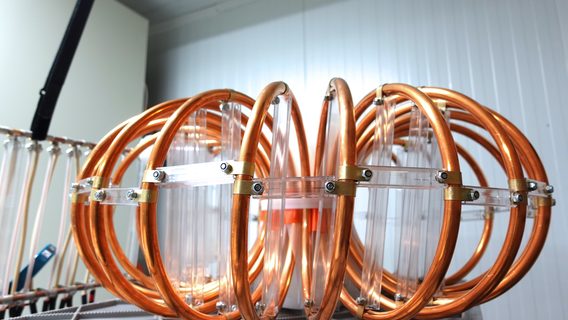
Helion announced it had raised $425 million in a Series F round, raising its valuation to $5.245 billion. Last month, the startup also unveiled its latest prototype, Polaris, which is expected to be the first fusion reactor to produce electricity, TechCrunch reports .
Polaris, Helion’s seventh prototype, is housed in a 27,000-square-foot building in Everett, Wash. It took more than three years to build, which is fast by fusion industry standards. But to meet Microsoft’s ambitious 2028 deadline, the startup will have to move even faster on its commercial-scale power plant.
«What’s the biggest problem in AI? Getting the chips. In fusion, what’s the biggest problem? Getting the chips. Polaris is 50,000 of these large-scale, pulsed-power semiconductors, and getting them determines the timeframe,» said the company’s CEO, David Kirtley.
The new investment will go towards moving a significant portion of its specialized manufacturing to its own territory. For example, the company had to order a type of short-term energy storage device known as capacitors three years in advance.
«Our goal is to go from waiting three years for a capacitor supplier to producing our own capacitors, but faster, so that now we can make them in a year or less,» Kirtley said.
Helion is working on selecting a location for the Microsoft facility, he said. He declined to name the location but said the company is working on obtaining permits and connecting to the grid, a process that could take years.
Last fall, it was reported that the nuclear power plant at the site of one of the worst nuclear disasters in U.S. history could soon be back on stream to power Microsoft’s artificial intelligence efforts. Constellation Energy has signed a deal to provide Microsoft with nuclear power for the next 20 years. It plans to do so by bringing part of the Three Mile Island nuclear power plant back into service by 2028.
David Kirtley claims that the current commercial-scale Helion reactor design will pulse several times per second. A single reactor will generate 50 megawatts of electricity, and a power plant could contain multiple reactors.
The company has small systems in the lab that can fire pulses more than 100 times per second, so it’s possible that future Helion reactors could fire 60 pulses per second, at the same frequency as electricity in the power grid.
«But to achieve such a high pulse repetition rate with such high power, when we are talking about millions of amperes, a number of complex engineering challenges need to be solved,» Kirtley said.
Helion has raised new funding to accelerate work on the power plant, including expanding its own machining and capacitor manufacturing capabilities.
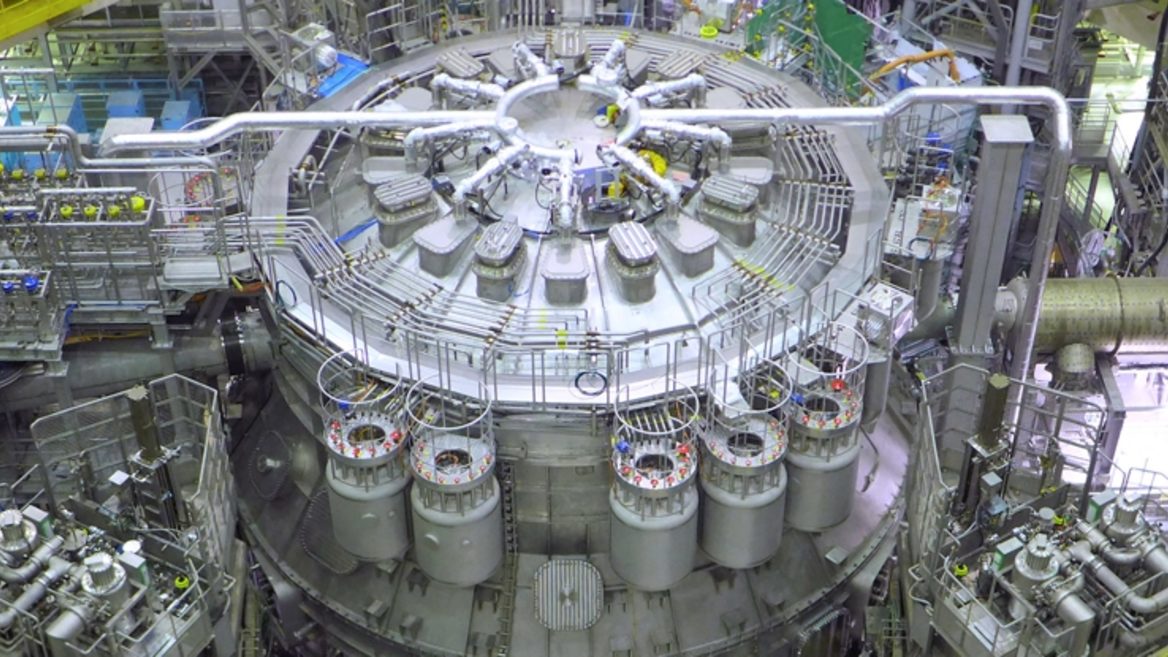
As the hype surrounding DeepSeek AI continues, Chinese scientists have made another major breakthrough in fusion research: their experimental superconducting tokamak, dubbed an artificial sun, has broken its own world record for plasma containment. This brings Chinese scientists closer to their goal of recreating the processes of nuclear fusion on the Sun to produce clean, unlimited energy.
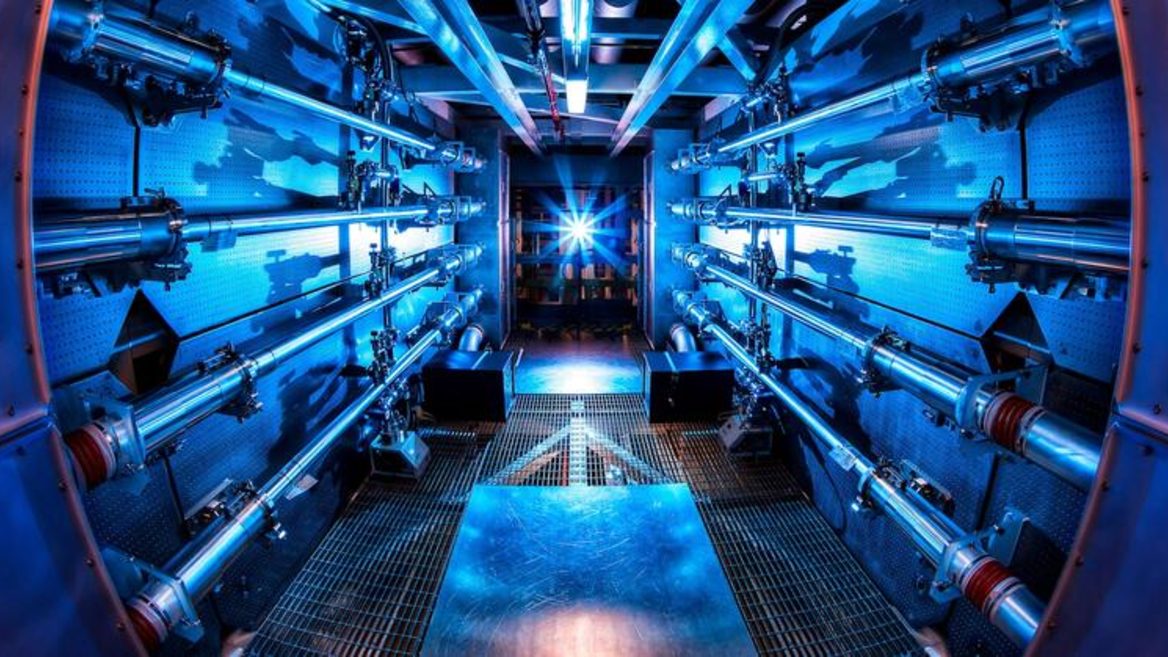
It was previously reported that MIT graduates founded a startup called Xcimer Energy, which is working on a prototype inertial fusion reactor. They have already raised $100 million in investment for the development.
China’s «artificial sun» has been heated to temperatures 15 times hotter than the core of a real star, setting a new world record. How close has humanity come to the «Holy Grail» of clean energy?