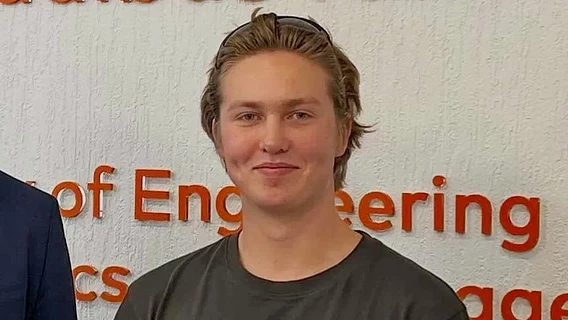
A 16-year-old Latvian received $500,000 to create cheap AI-powered missiles that are resistant to electronic warfare. The war in Ukraine prompted him to create the startup
16-year-old Henrijs Dandzbergs from Latvia has received $500,000 from the famous accelerator Y Combinator for his own defense startup. The guy dropped out of school to create cheap missiles with guidance using artificial intelligence. One of the main impetuses for him was Russia's war against Ukraine.
16-year-old Henrijs Dandzbergs from Latvia has received $500,000 from the famous accelerator Y Combinator for his own defense startup. The guy dropped out of school to create cheap missiles with guidance using artificial intelligence. One of the main impetuses for him was Russia's war against Ukraine.
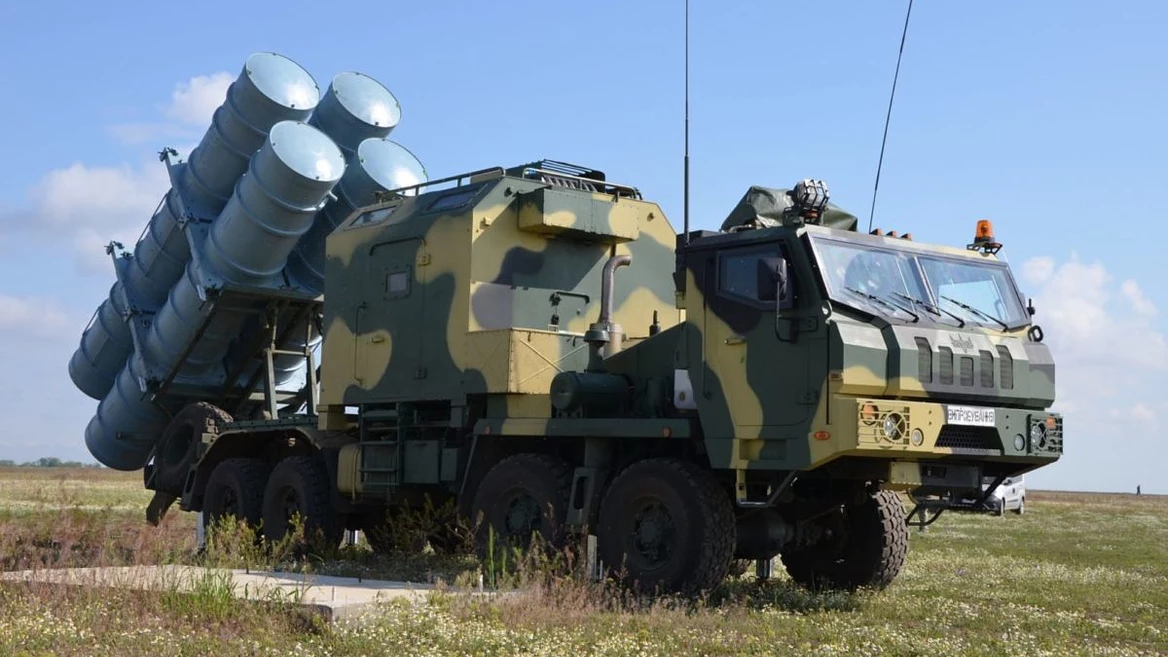
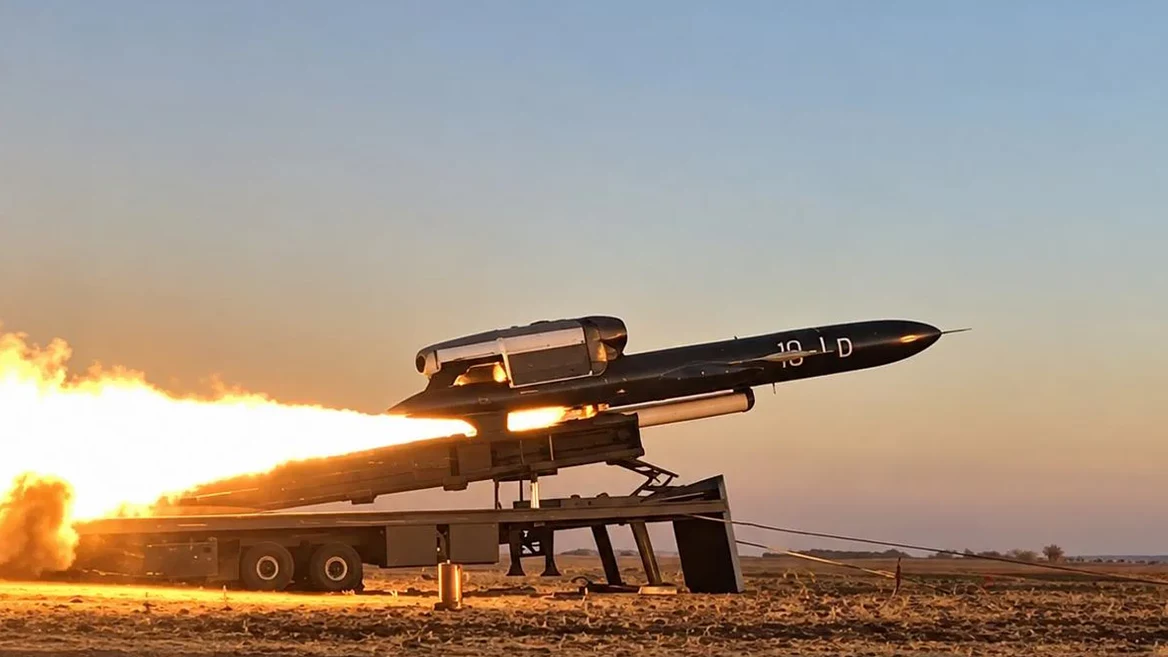
His company, Polemos Industries, is working on missiles that can be launched from compact, portable launchers. Dandzbergs envisions them to be cheaper than traditional missile systems, more accurate, and able to withstand attempts to jam their guidance.
Dandzbergs explains that he saw an opportunity to create a weapon that would have a larger warhead than the drones common on the Ukrainian front, but would cost less than conventional missiles. One of the startup's main tasks, according to a presentation to investors, is to reduce the so-called cost per kill, that is, the cost of destroying one target.
The guy was born in Latvia, but during his childhood he managed to live in Indonesia, Australia and Spain. Even as a child, his room resembled an engineering lab, because there you could find circuits, robots, Raspberry Pi and parts printed on a 3D printer.
He later enrolled at the Astra Nova experimental school, affiliated with Elon Musk. There, the boy became interested in aerospace engineering and began to create more complex devices, such as a bionic arm, model rocket systems, and autonomous drones.
When Russia launched a full-scale invasion of Ukraine, the teenager was living in Latvia. He saw military planes in the sky and became increasingly interested in how defense technology could protect Eastern European countries.
How he got to Y Combinator
In April 2026, the guy flew to London for the Unicorn Mafia hackathon. Together with two other developers, he created an AI system in less than 48 hours that could design electronic boards based on text prompts. The team won, and within a week received an invitation to the Y Combinator summer program.
But later the partners parted ways, as Dandzbergs wanted to apply the technology to the defense sector, while the other team members had a different vision for the company’s future. Then he decided to go his own way and applied to the accelerator again. This time, with the idea of producing missiles.
When will the rockets be shown?
According to Dandzbergs, his company has already developed missile guidance software and has begun working on its design. The teenager hopes to show the first prototype by December 2026, when the Y Combinator program ends.
It is not yet known whether Polemos Industries will be able to fulfill all its promises. In addition, large defense companies are already operating in the market, including Anduril, CoAspire, and Leidos, which are also trying to create cheaper missiles for mass production.
And experts warn that the more complex the guidance system, the harder it is to make a missile cheap. Manufacturers usually have to sacrifice range, warhead size, or reliability.
Earlier, dev.ua wrote that Ukraine is also working on strike missiles using artificial intelligence for navigation and targeting. According to the head of Brave1, Andriy Hrytsenyuk, Ukraine already has the first successful developments, although such systems have not yet become as widespread as AI in drones. The main difficulty is that missiles move much faster than drones, so algorithms have to make decisions in much less time.
Вас також кусають комарі? Розповідаємо про пристрій від українських стартаперів, який може цьому зарадити
Як зауважив нещодавно один військовий, якой побажав залишитись невідомим, орки, може, й не поцілять, а комарі точно зʼїдять. І від них потерпають зараз багато українців.
Позбавитись від комарів назавжди ефективно й екологічно допоможе гаджет Mosqitter. Цей стартап заснували дві українки — Анастасія Романова та Ольга Дьячук.
Ми вирішили нагадати, що може Mosqitter, про принципи його роботи та особливості, на злобу дня.
(текст від 21 жовтня 2021 року)
Кнопка здоров'я. Українці розробили систему, яка рятує пацієнтів стаціонару від смерті. Вони - переможці IT Arena Lviv 2022
Медичний психолог, який переїхав в Україну з Москви в 2014 році, Іван Осадчий, придумав систему, яка допомагає медсестрі і пацієнтові не втратити один одного в стаціонарі. Його стартап knopka вже працює в декількох лікарнях понад три роки не лише в Україні, а й у Польщі.
Повторюємо історію стартапу-переможця IT Arena Lviv 2022. Текст від 28 вересня 2022 року.
Ukrainian N-iX has become a partner of SpaceX and will help other companies implement Grok in their workflows. The company claims to reduce the time spent working with pull requests by 49%.
Norwegian Kongsberg, which produces NASAMS air defense systems, has joined Brave Prime. The company will test its technologies in Ukraine and seek partners among Ukrainian defense tech companies
Have important news to share? Message our Telegram bot
Key events and useful links in our Telegram channel