Хочете будувати кар’єру в Data Science та AI? Vodafone Big Data Lab відкриває новий набір —>
Олег ОнопрієнкоWar
20 April 2026, 11:38
2026-04-20
“If the pilots’ position is found and they have to move, it takes three to four times longer.” How the Russian Army Fights After Losing Access to Starlink
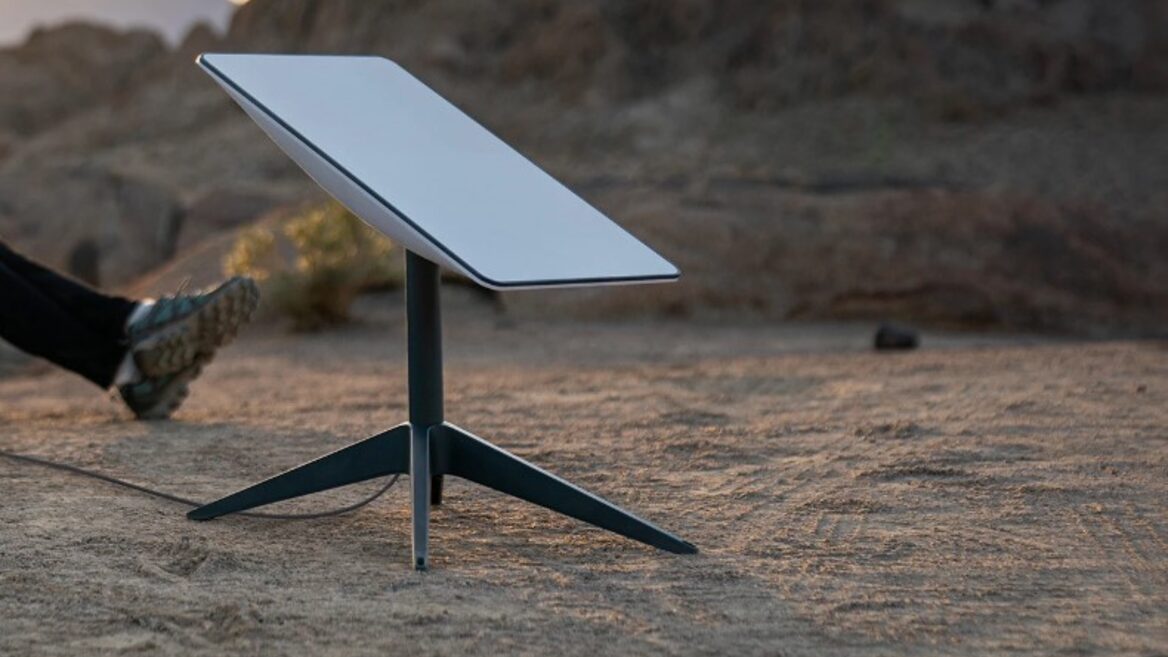
After losing access to the Starlink terminals, the enemy army faced significant problems in managing its troops. The main consequence was that the actions of the occupiers became much slower and less flexible.
After losing access to the Starlink terminals, the enemy army faced significant problems in managing its troops. The main consequence was that the actions of the occupiers became much slower and less flexible.
It is now much more difficult for the Russians to quickly deploy new positions, transfer them to other areas, and include them in the overall control system. As a military man with the call sign Maxim "Banker" told DOU, redeployment is now a big problem.
“If the pilots’ position is found and they need to move, it takes three to four times longer than it used to with Starlink,” noted The Banker.
The military stressed that if the command post is completely destroyed, the occupiers could spend two to five days restoring it.
The enemy's most noticeable weakness was the video control loop. While Starlink previously allowed for instant transmission of drone footage throughout the chain of command (from pilot to headquarters), now the video often does not reach the people making quick decisions. The switch to local radio communication has made it difficult to adjust FPV drones and artillery.
In addition, the occupiers lost the ability to safely fly at ultra-low altitudes, where drones were invisible to air defense radars. Normal radio communication at such altitudes quickly breaks down, so the UAVs are forced to climb higher, becoming an easier target for Ukrainian defenders.
Previously, the Russians began mass-installing Starlink Mini terminals on long-range strike drones, in particular the Shaheda and Molniya. This provided two-way communication and high accuracy. However, according to the military, the downed Russian drones no longer have these terminals on board.
Due to the return to the old control schemes, the enemy has lost some of its range and accuracy. Now, to launch reconnaissance or strike drones of the "Krylo" type, the Russians have to use twice as many equipment and people: one side flies on a mission, and the other is forced to hang nearby and work exclusively as a signal repeater.
Own analogue from "Bureau 1440"
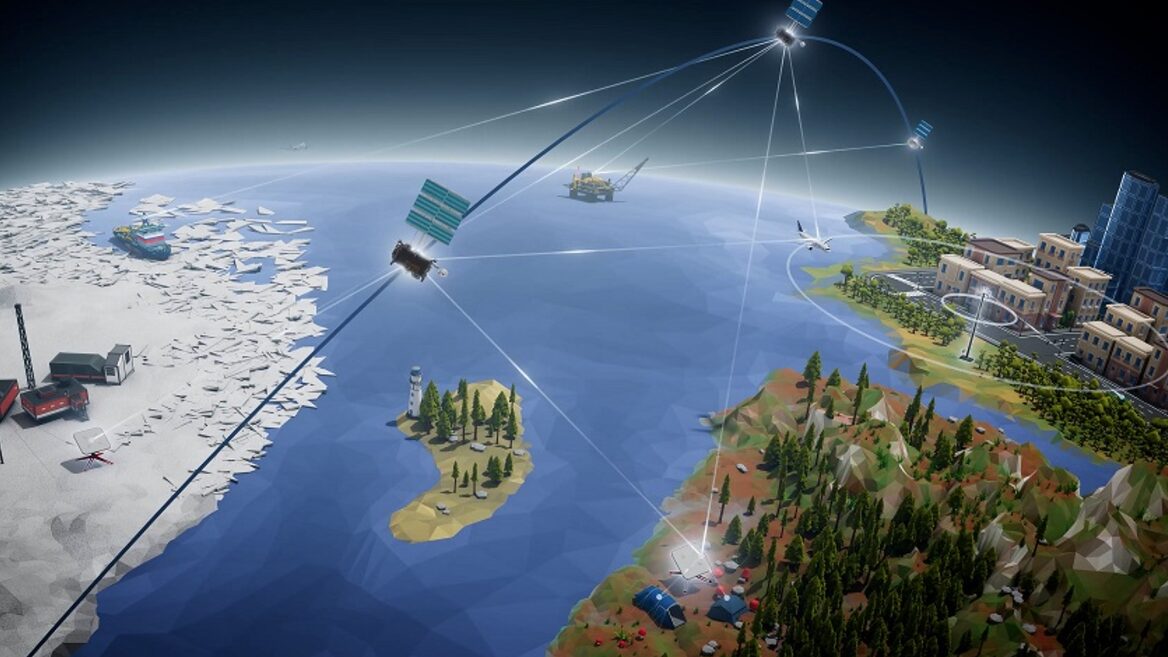
Understanding the critical importance of low-orbit satellite communications, Russia is trying to create its own alternative to Starlink called "Bureau 1440." According to radio technology expert Sergei "Flash" Beskrestnov, in March the Russian Federation launched the first 16 devices into orbit.
However, this is critically insufficient to create a full-fledged network (for comparison: the Starlink constellation has over 10,000 satellites). The deployment of the Russian network is planned at least until 2030. At the same time, "Flash" notes that the Ukrainian command is aware of this project and is already actively developing means to counter Russian satellite communications.
Let us remind you that today an attempt was made on the advisor to the Minister of Defense, an expert in the field of radio technologies, Sergey "Flash" Beskrestnov, his house was attacked by a guided missile "Shahed".
Product Designer задонатив ЗСУ особистий Starlink. Як він це зробив
Арсеній Фещенко працює на позиції Product Designer платформи по оренді квартир у Києві та Лондоні bird. Нещодавно хлопець задонатив на потреби ЗСУ особистий Starlink. Розповідаємо, як це вдалося зробити.
Британець створив інструмент для злому Starlink з деталями на $25. Чи виведе він термінал з ладу? WIRED
Британський дослідник безпеки Леннерт Воутерс створив modchip — спеціальний інструмент злому, який можна приєднати до антени Starlink. Готові деталі для нього коштують $25.
10 серпня на конференції з безпеки Black Hat у Лас-Вегасі дослідник розкрив подробиці збоїв у терміналах Starlink та розповів про те, як серія апаратних недоліків дозволяє зловмисникам отримати доступ до системи і запустити власний код на пристроях. Про це написав WIRED.
Бойова гігієна. Чим небезпечний WiFi на передовій, та чому інколи прилітає по Starlink: пояснює айтішник
Володимир Степанець, Senior Systems Architect в EPAM Poland написав великий пост-пояснення про те, чим небезпечний інтернет на передовій та чому роздавати його не варто як з терміналів Starlink, так і зі смартфону.
Публікуємо його аргументи, правила та поради.
Have important news to share? Message our Telegram bot
Key events and useful links in our Telegram channel