Apple is already testing support for brain-computer interfaces (BCIs) on a few people, which it is adding to iOS, iPadOS, and visionOS.
BCI is «a new technology that allows users to control their device without physical movement,» PCMAG writes, citing a statement from the company. Apple calls the new feature «Switch Control.»
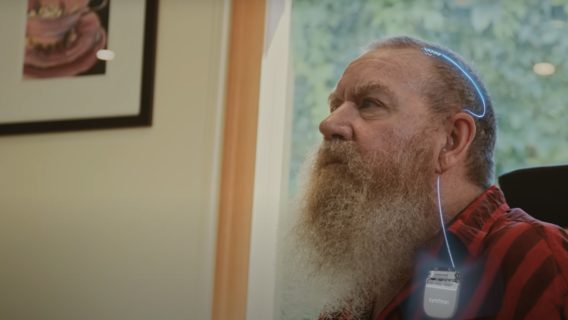
The company is currently working with Brooklyn-based startup Synchron, which is implanting a Stentrode implant into a vein above a patient’s motor cortex. Based on brain signals, the implant is supposed to relay the data to the BCI device’s operating system and perform actions on the device without human contact.
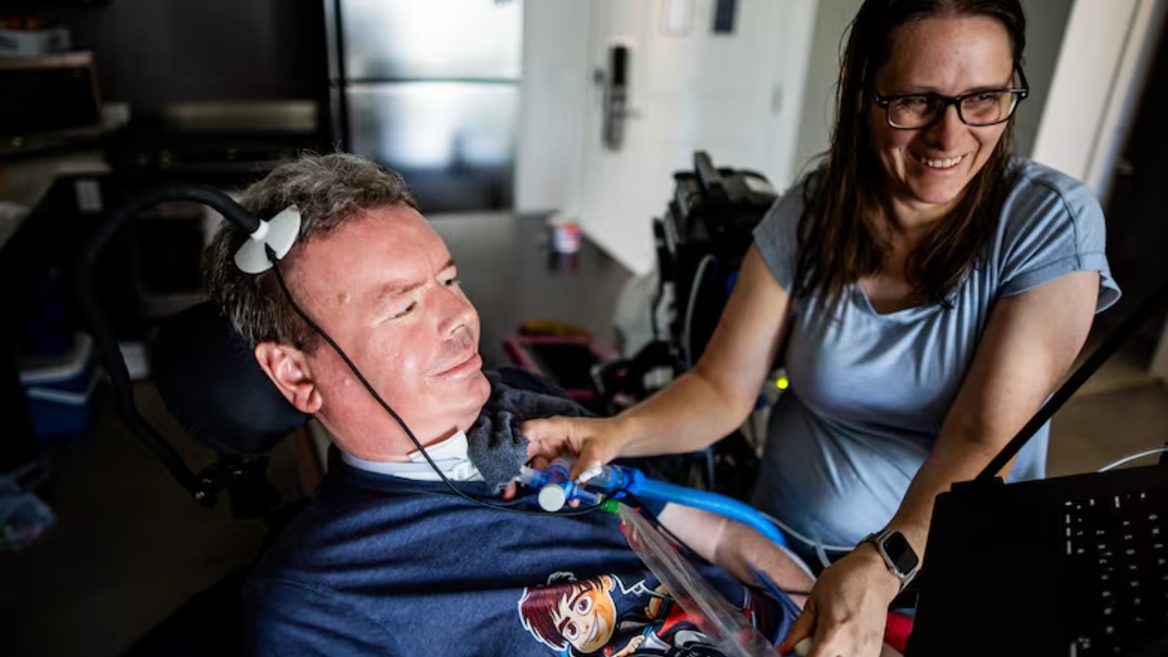
Since 2019, Synchron has implanted Stentrode devices in 10 people with severe motor and speech impairments, and several patients have already shared their experiences with the implants.
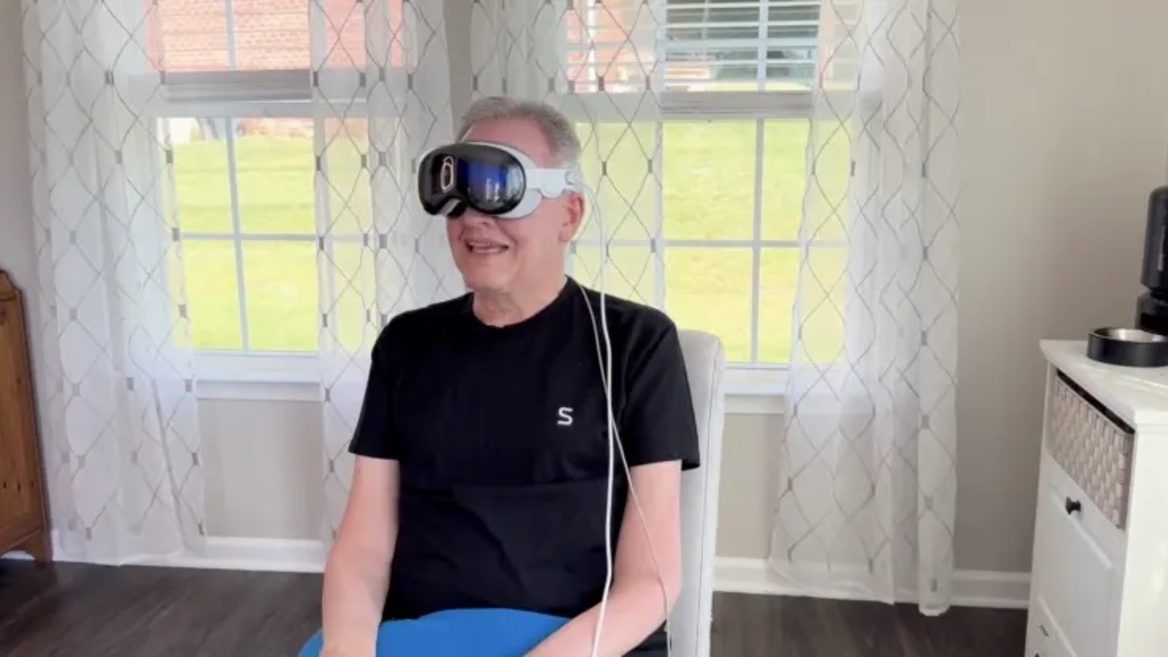
One of them, Mark Jackson, who suffers from an incurable disease of the central nervous system, amyotrophic lateral sclerosis (ALS), is already learning to control his iPhone, iPad, and Vision Pro headset using Stentrode.
Another patient, Rodney, with a similar condition, uses his implant to connect to an Apple Vision Pro and Nvidia Holoscan for AI-powered computing. In the video, he shows how he controls a range of devices around his home with his thoughts — adjusting the lights, turning on the fan, and even feeding his dog Piper without using his hands, voice, or touch.
Stentrode brain implants are not yet widely available, but the US Food and Drug Administration (FDA) has already called BCIs «breakthrough devices» and says they «have the potential to benefit people with severe disabilities by increasing their ability to interact with their environment and, as a result, providing new independence in daily life.»
Recall that the neurotechnology startup Synchron connected its brain implant to Apple’s Vision Pro headset on July 30 last year. At that time, a 64-year-old patient named Mark, who became a pioneer in the company’s work with the Vision Pro headset, spoke about his experience using the BCI.
Earlier, Elon Musk’s company unveiled the Neuralink brain implant, which aims to allow people to control a computer cursor or keyboard using only their thoughts, starting in 2023. Despite the difficulties that have befallen it, Neuralink is already showing impressive results.