Марія БровінськаAgroTech
25 August 2026, 10:00
2026-08-25
Real-time field monitoring. How Kernel built a digital system for 7,000 pieces of equipment
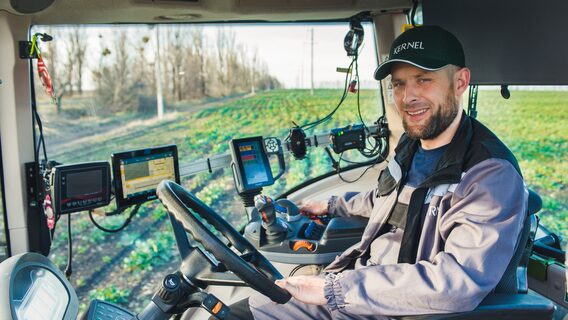
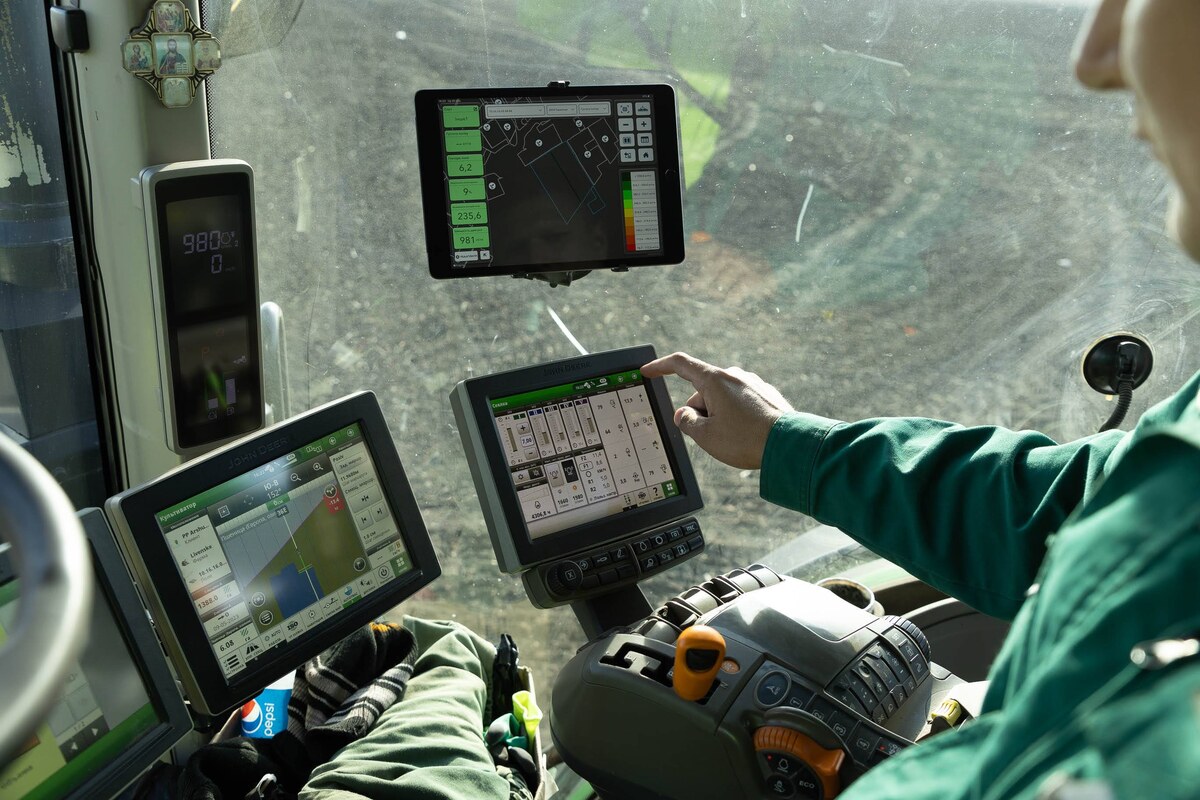
Harvesting in a large agricultural holding involves 7,000 units of machinery in simultaneous motion: combines, grain trucks, loaders. Each machine generates data streams every second — GPS, fuel level sensors, engine speed and temperature, auger, loosening depth, wind speed, and air temperature. Altogether, these are tens of millions of signals every day.
Harvesting in a large agricultural holding involves 7,000 units of machinery in simultaneous motion: combines, grain trucks, loaders. Each machine generates data streams every second — GPS, fuel level sensors, engine speed and temperature, auger, loosening depth, wind speed, and air temperature. Altogether, these are tens of millions of signals every day.
A few years ago, this entire flow was recorded in Excel. Operators collected data manually, checked it every few hours. Problems were discovered too late, when the grain was unloaded in the wrong location, there were unnecessary fuel costs, and the grain truck had long since left the field. The system reacted to the consequences, not the causes.
The Kernel solution is a proprietary online order book (ORB) system that is part of the Digital AgriBusiness (DAB) platform. It started as a digital «order» — which equipment, on which field, with which unit, and which operation was performed. And in a few years, it has turned into an automated system where any deviation from the plan is highlighted at the moment of occurrence — without delays, without manual tabulation, without a broken phone.
What’s under the hood?
About ten years ago, GPS monitoring, accounting, and GIS (geoinformation system) existed as separate islands at Kernel. The IT team set itself the task of connecting all the contours into a single data stream. The first step was to integrate the three systems. Then came gradual expansion.
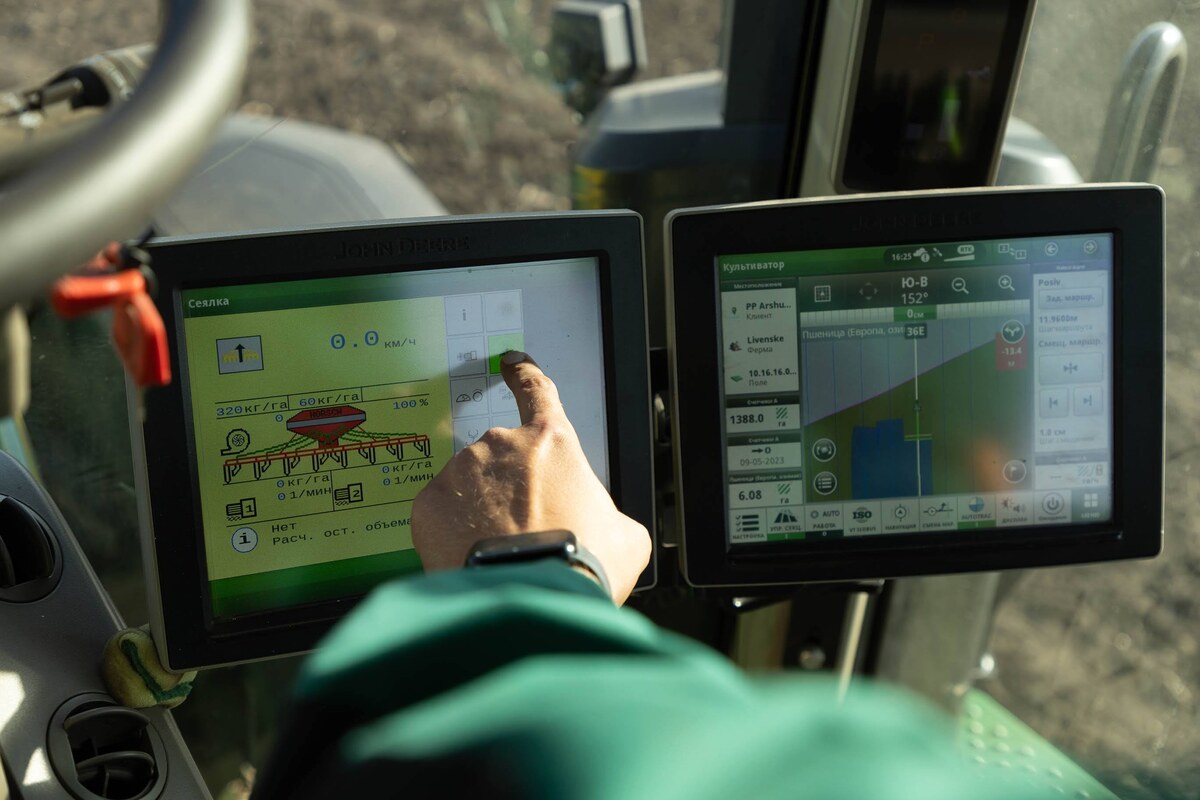
Today, the CSO is built on a microservices architecture with Kafka, RabbitMQ, and Flink. This combination allows it to process tens of millions of signals daily, capture events with virtually no delay, and trigger automatic responses where previously everything depended on the operator’s attentiveness and the timeliness of the morning report.
Four tasks that the CNO solves
The CCO is four interconnected parts of control, each of which solves its own part of the problem.
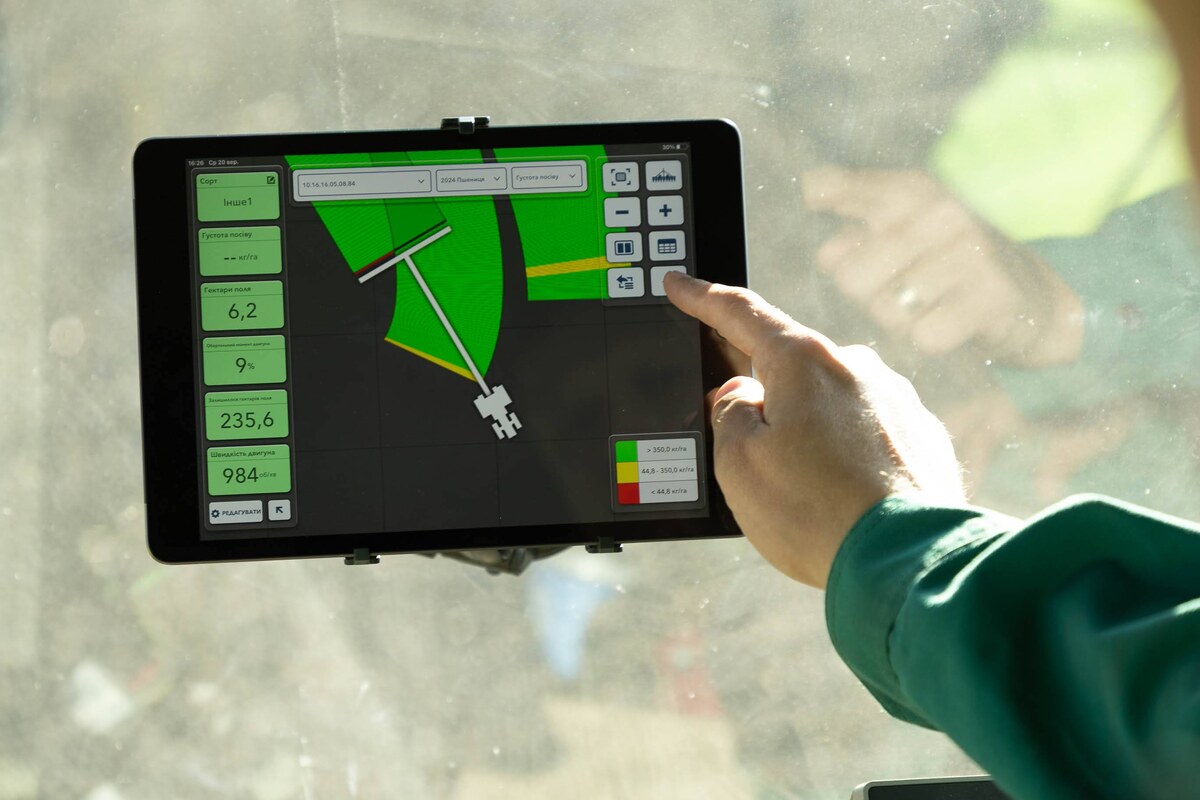
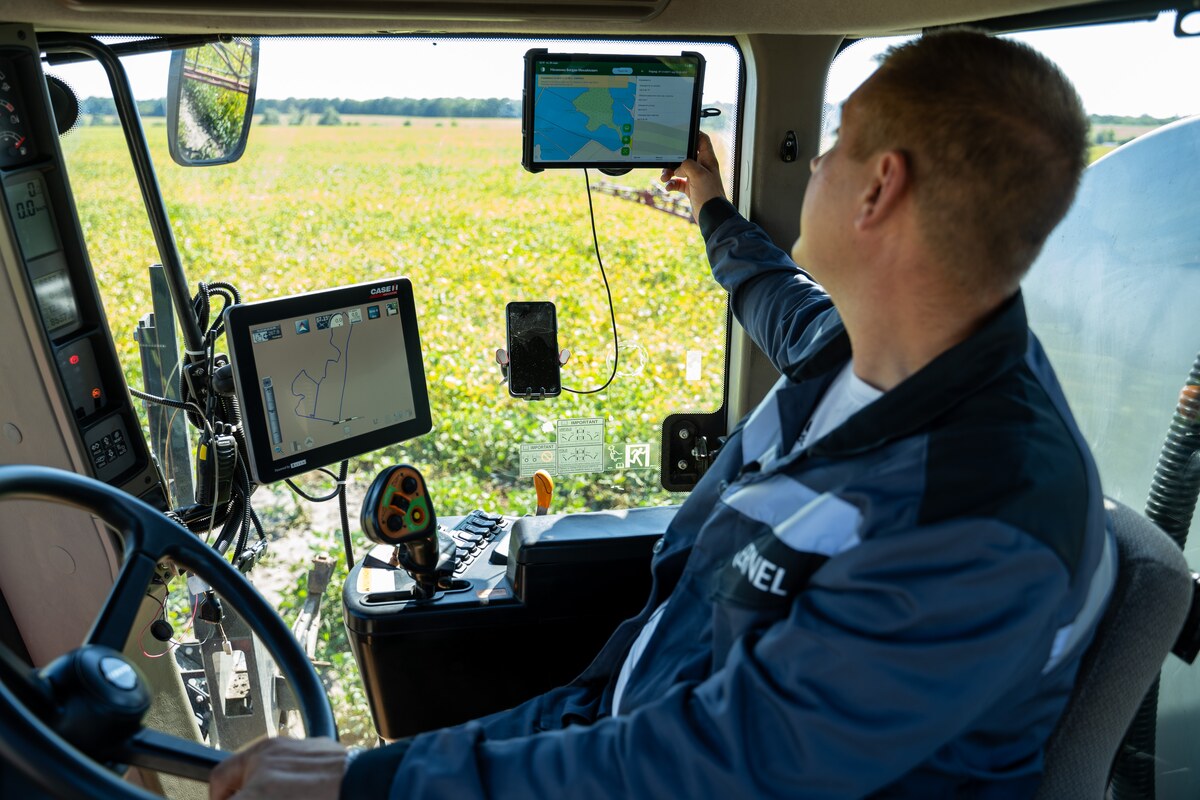
The first is agricultural production management and work accounting. Each operation is recorded in the system. The dispatcher promptly responds to simple equipment and deviations from regulations. Temperature violations during spraying, exceeding the threshing speed, following the direction of movement, working on the task — all this is recorded at the moment of occurrence. Not after the damage has already occurred, but at the risk stage, when the situation can be corrected.
The second is the management and control of the use of goods and materials. The movement of goods and materials from the warehouse to the field is recorded automatically. Deviations in fuel consumption are highlighted without human intervention — the algorithm itself compares the actual consumption with the norm and displays the discrepancy on the first screen.
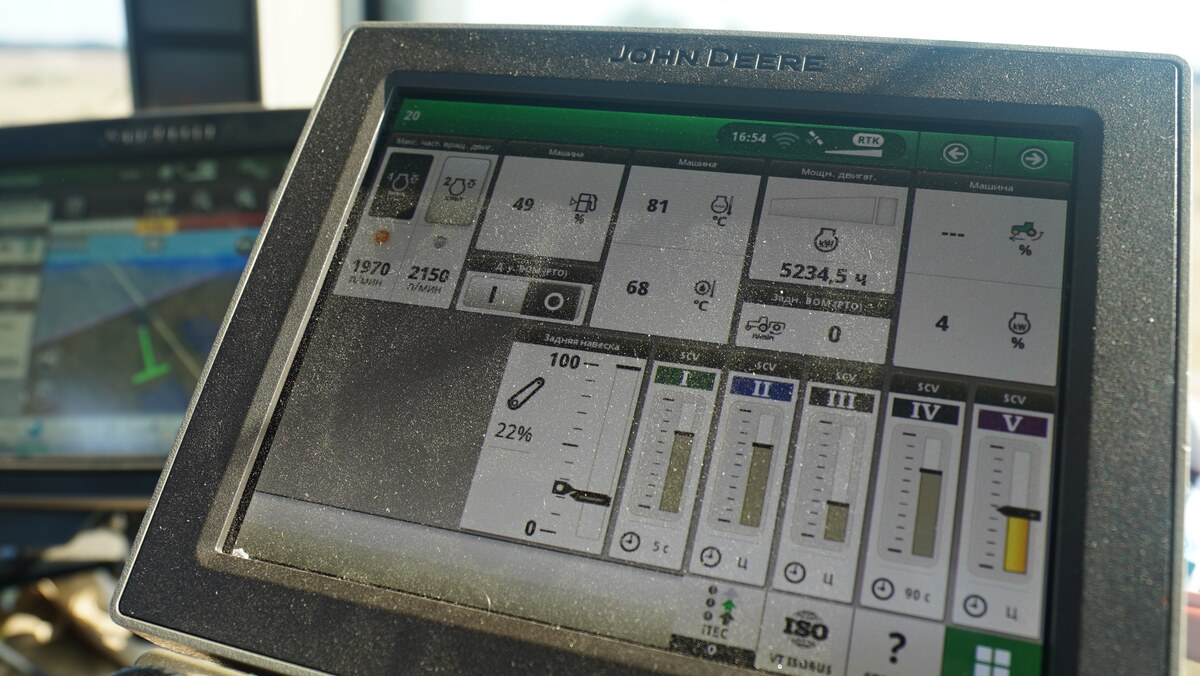
The third is the operation of machinery and equipment. Standards have been established for each brand of machinery, and the system automatically records deviations. For example, telematics showed prolonged engine operation at high revs. The system automatically notified the engineer, and he managed to send a command to the machine operator — without the risk of the machinery ending up in the middle of the field.
The fourth is the digital grain chain — from the field to the elevator. This is the most difficult task. There are no scales in the field, dozens of combines and hundreds of machines work in parallel, the grain is constantly moving. KNO provides a continuous digital chain: driver and transport identification while still in the field, digital documents, route and stop control, recording the unloading event, and, finally, comparing field events with the fact of weighing at the elevator. As a result, each ton receives a transparent movement history — and decisions are made when the risks can still be stopped. For example, the combine sensor recorded that unloading was taking place, but there was no grain truck nearby with permission to accept this cargo. The event was immediately highlighted to the operator, which allowed him to respond in time to potentially unauthorized grain unloading.
«Today it is even difficult to imagine that previously all these processes relied exclusively on the human factor,» says Kernel. The agricultural holding increases business efficiency with the automation of the system, records a decrease in crop losses and fuel abuse.
Agribusiness as enterprise IT
This case is about how modern agribusiness, in terms of infrastructure complexity, has long been no different from a large IT company. Millions of events every day. Thousands of moving objects. Critical decision-making windows within a few minutes. Microservices, message brokers, streaming data processing. The only difference is that instead of servers, there are combines, and instead of downtime, there is a lost harvest.
Вражає масштаб такої системи! Коли тисячі одиниць техніки одночасно передають дані в реальному часі, це вже не просто моніторинг, а справжня цифрова інфраструктура для управління агробізнесом. Особливо цікаво, як такі дані допомагають швидше приймати рішення безпосередньо під час жнив. https://dinosaurgameonline.io









Вражає масштаб такої системи! Коли тисячі одиниць техніки одночасно передають дані в реальному часі, це вже не просто моніторинг, а справжня цифрова інфраструктура для управління агробізнесом. Особливо цікаво, як такі дані допомагають швидше приймати рішення безпосередньо під час жнив.
https://dinosaurgameonline.io