Хочете будувати кар’єру в Data Science та AI? Vodafone Big Data Lab відкриває новий набір —>
Валентин ШнайдерAround IT
15 October 2025, 15:09
2025-10-15
“Surgical censorship”: why Russia blocks roaming for foreign SIM cards
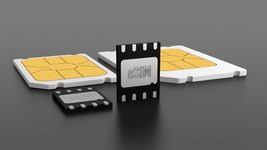
dev.ua spoke with telecom analyst and digital technology consultant eQualitie Oleksandr Hlushchenko to find out how the new blocking system works in Russia, whether it is really «purely to combat drones,» and whether something similar is possible in Ukraine.
dev.ua spoke with telecom analyst and digital technology consultant eQualitie Oleksandr Hlushchenko to find out how the new blocking system works in Russia, whether it is really «purely to combat drones,» and whether something similar is possible in Ukraine.
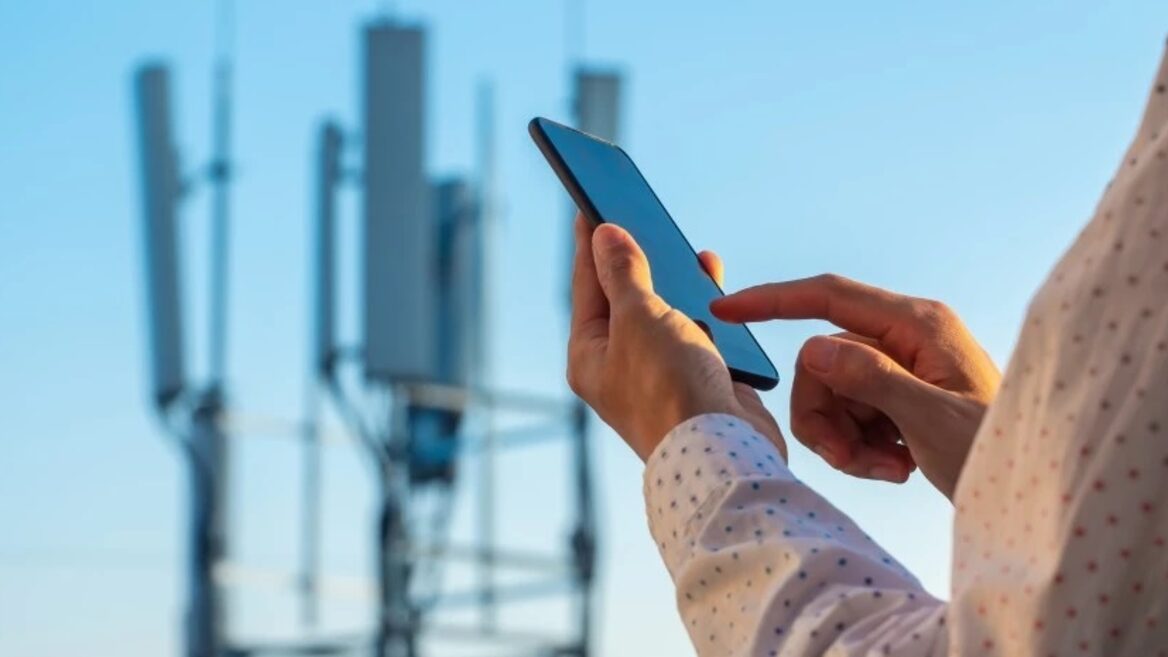
In early October 2025, Russian telecommunications authorities introduced an unprecedented restriction: foreign subscribers in roaming will be left without mobile Internet and SMS for the first 24 hours. Operators, including A1, MTS and life, reported that the networks automatically disable data transmission after the first registration of a foreign SIM card. Voice communication is not interrupted. After three days of inactivity, the blockade is triggered again.
What happened and who does it concern?
The restrictions will take effect on October 6, 2025, and will apply to any foreign SIM card registered on a Russian operator’s network. According to the Belarusian regulator, the blocking applies regardless of the country of registration of the card, and is repeated after three days of inactivity. Regulators in Lithuania and other Baltic states have confirmed that their subscribers have lost access to mobile internet and SMS, although calls remain available.
The system is implemented as a network policy: when a foreign SIM is first registered, the operator cuts off data access for 24 hours, and each reconnection in a different region or change of operator starts the countdown again. Thus, traveling between regions or switching to another network means a new day without the Internet.
How blocking works
Telecom expert and digital technology consultant eQualitie Oleksandr Glushchenko explains that a device with a foreign SIM card loses contact with the home network and tries to connect to the network of one of the Russian operators (Visited PLMN). Computers and network controllers (MSC switches for calls, SGSN/MME for data) instantly recognize the subscriber as a roamer by the unique international IMSI identifier and country and network codes.
«When the VLR of a Russian operator receives an initial registration request from a foreign SIM card, the logic is triggered: ‘if the subscriber is roaming and this is the first registration event, then apply a 24-hour data and SMS blocking.’ It is important that voice calls remain available. This indicates selective blocking, not complete disconnection from the network,» says the expert.
According to him, the blocking is tied to the fact of registration in the VLR. Therefore, it is enough to cross the internal border or switch to another operator, and the countdown will start again. Glushchenko calls this approach a form of «surgical censorship»: the authorities do not completely disconnect the network, but deprive the user of key communication tools (the Internet and SMS), creating the appearance of communication for others.
Why 24 hours?
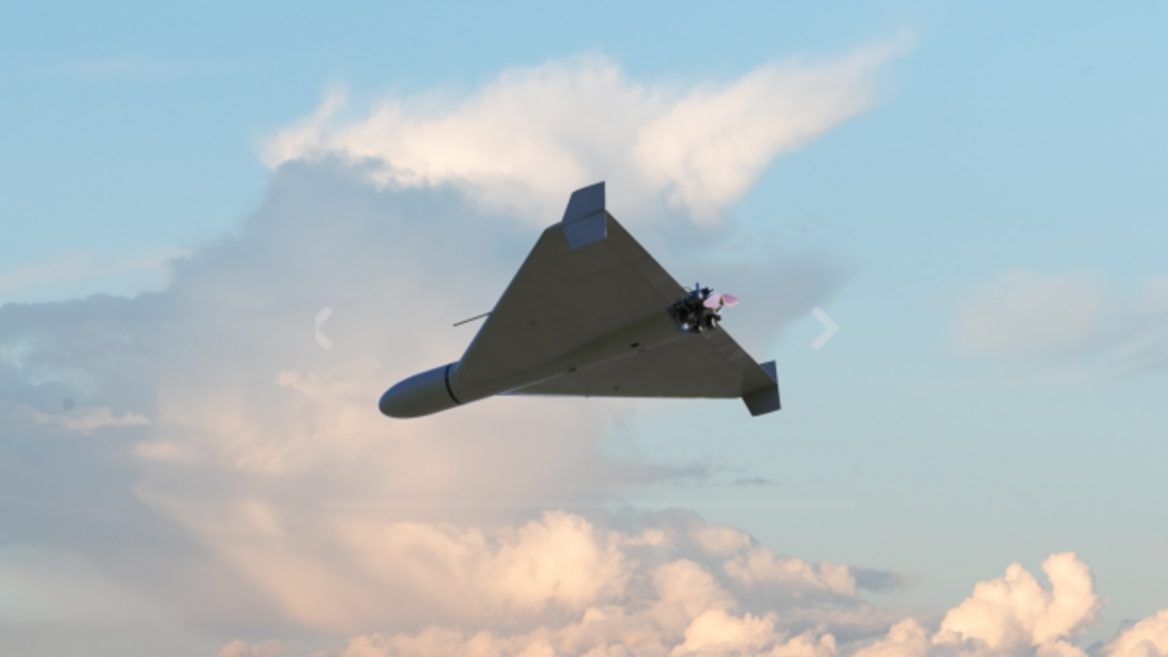
Officially, the Russians explain the 24-hour block by «fighting drones.» The head of their Ministry of Digital Affairs, Maksut Shadayev, claimed that 24 hours is supposedly the average flight time of a drone crossing the border, so during this pause it will not be possible to control it via a foreign SIM. The expert questions this motivation:
«From a technical point of view, this justification is weak, since the UAV mission can be planned taking into account this delay,» he notes.
According to him, officials initially proposed a five-hour «cooling off period» with a captcha test to unblock, but eventually decided to extend it to 24 hours to make it as difficult as possible for SIM cards to be automatically used immediately after crossing the border.
If after the first day the foreigner does not use data at all, the blockade will be repeated in three days. This makes it impossible to activate and store the cards in «sleep mode».
What could happen next?
According to Glushchenko, the current rules may be just the beginning. He predicts that the regulator could:
extend the duration of the outage to 48 or 72 hours, effectively making roaming unsuitable for short trips;
implement geofencing — create «no-data zones» around military or industrial facilities;
artificially reduce the speed to 2G so that the Internet is nominal;
selectively block SIM cards from «unfriendly» countries, leaving citizens of allied states without restrictions.
He calls this step a «testing ground»: the authorities are monitoring the reaction of foreigners, technical implementation, and collecting data to further improve control tools.
What is the ban based on and does it violate international agreements?
Legally, Russia refers to amendments to its law «On Communications», adopted in 2024. They allow for restrictions on services to protect security and provide for mandatory biometric registration for SIM buyers. However, international roaming agreements, standardized through the GSM Association, are based on the principles of reciprocity and non-discrimination — foreign subscribers must be provided with services «as at home».
Glushchenko emphasizes that Russian policy contradicts this principle: it discriminates only against foreigners, destroys the continuity of service, and forces operators to violate contracts with partners.
«In this way, Russia exploits the dependence of the global telecommunications system on its networks. A foreign operator cannot guarantee a client access to data in Russia, because the network blocks it by order of the state. This is an example of a 'splinternet', where national rules take precedence over global ones,» explains Glushchenko.
Biometrics and other barriers for guests
The new roaming rules are part of a broader policy of mobile phone control. From January 1, 2025, foreigners will be able to purchase a Russian SIM card only after a complicated procedure: you need to get a Russian social security number, register on the «state services» portal, submit biometric data (face and voice) to a state database, and provide the device’s IMEI. The number of cards per person is limited to ten, and numbers without biometrics are gradually being disconnected: first, international calls and data are blocked, and after 30 days, service is completely stopped.
«The entire process can take from several days to two weeks, making it impractical for tourists or journalists on short business trips. A foreigner is faced with a dilemma: either endure degraded service on their SIM card or undergo a complex biometric registration that directly links their identity, biometrics, and device to communication activities,» the expert says.
He emphasizes that the combination of a 24-hour blockade and biometric registration eliminates anonymity: foreigners are forced to either use controlled networks or remain without normal communication.
It’s not really about drones
Although Russian authorities justify the restrictions by saying they are fighting drones, Glushchenko calls it a «convenient excuse.» He says that cutting off data transmissions has not reduced the number of strikes, and the real goal is total control:
«The main goal is to achieve full situational awareness of all foreign citizens on Russian territory. The policy eliminates anonymous communication channels, forcing foreigners to use networks that are either directly controlled (local SIM cards tied to biometrics) or easily tapped (public Wi-Fi)… By testing these mechanisms on foreigners, the state is creating an infrastructure that can later be targeted at its own citizens.»
Yes, 24-hour blocking and biometrics are tools of hybrid warfare and means of building a «sovereign internet.»
Is this possible in Ukraine?
Currently, Ukrainian operators do not use such practices. Despite the war, the authorities do not introduce mass Internet or mobile phone shutdowns; restrictions apply only to Russian resources and sanctioned media. Ukraine does not yet plan forced «cooling off periods» for foreign SIM cards, but on the contrary tries to leave open access for foreigners, journalists and volunteers.
The 24-hour internet blocking for foreign roamers, introduced in Russia from October 2025, is a conscious policy. Officially, it is explained as protection against drones, but other motives also arise: data collection, control over communications, and promotion of the concept of a «sovereign internet.»
The combination of a 24-hour lockdown and strict biometric registration leaves foreigners with no choice but to remain offline or fully disclose their data to the state. For Ukraine, this case serves as a reminder that security should not become a tool of censorship, and that openness and trust remain important even in times of war.
Recall, dev.ua previously wrote about how Oleksandr Glushchenko, a media expert and former board member of the Internet Association of Ukraine, expressed the opinion that changes to the taxation system for providers could lead to the disappearance of Internet connectivity in some regions.
Як працює IT-бізнес під час війни? Кейс провайдера IT-інфраструктури
Побоювання щодо повного колапсу держави у разі війни були поширені напередодні повномасштабного вторгнення. Однак дії захисників та згуртованість суспільства зберегли функціонування країни — в тому числі і української економіки. Як бізнес зустрів війну, як змінились потреби клієнтів і як поточні умови формують новий підхід до роботи, розповідає SIM-Networks — німецький провайдер IT-інфраструктури з представництвом у Києві.
Обережно, фейк! Українців НЕ зобов'яжуть користуватися мобільним зв'язком за паспортами
Ряд українських медіа розтиражували новину про те, що нібито з 1 січня 2022 року українці повинні обов’язково реєструвати SIM-карти, прив’язуючи їх до паспортних даних.
Have important news to share? Message our Telegram bot
Key events and useful links in our Telegram channel