According to McKinsey Global Institute estimates, global GDP could grow by 1.2–1.5%. AI allows banks and financial companies to more accurately assess the risks and debt capacity of clients, which can reduce the likelihood of bankruptcies. At the same time, high-frequency trading algorithms and automated risk management can accelerate market volatility in times of crisis, the IMF reports.
In addition, AI is replacing routine and partially complex tasks, while creating high-tech jobs. The OECD predicts that 14% of jobs in the world could be significantly impacted by AI, and another 32% could be partially impacted, requiring retraining of personnel.
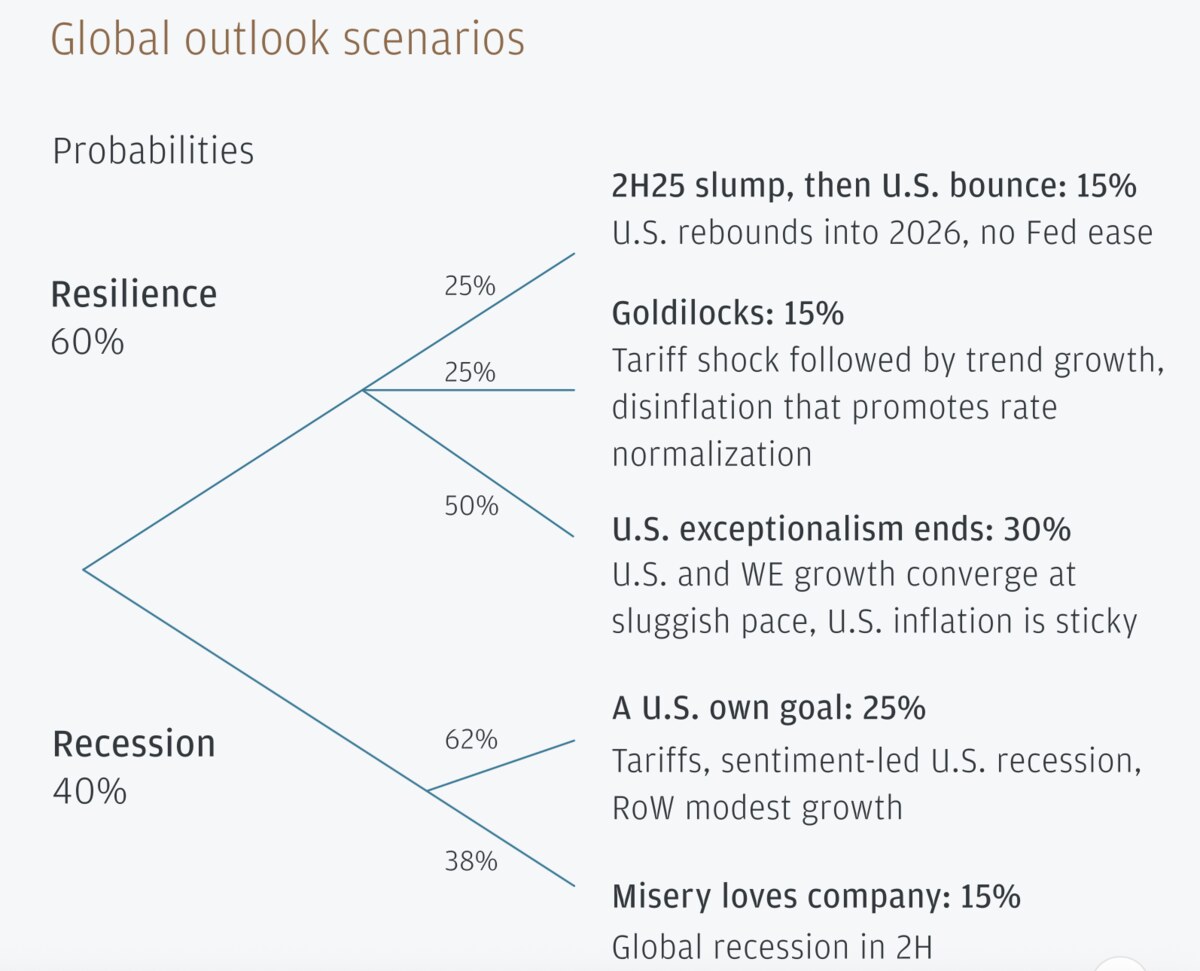
And AI helps predict macroeconomic risks, model recession scenarios, and optimize government spending.
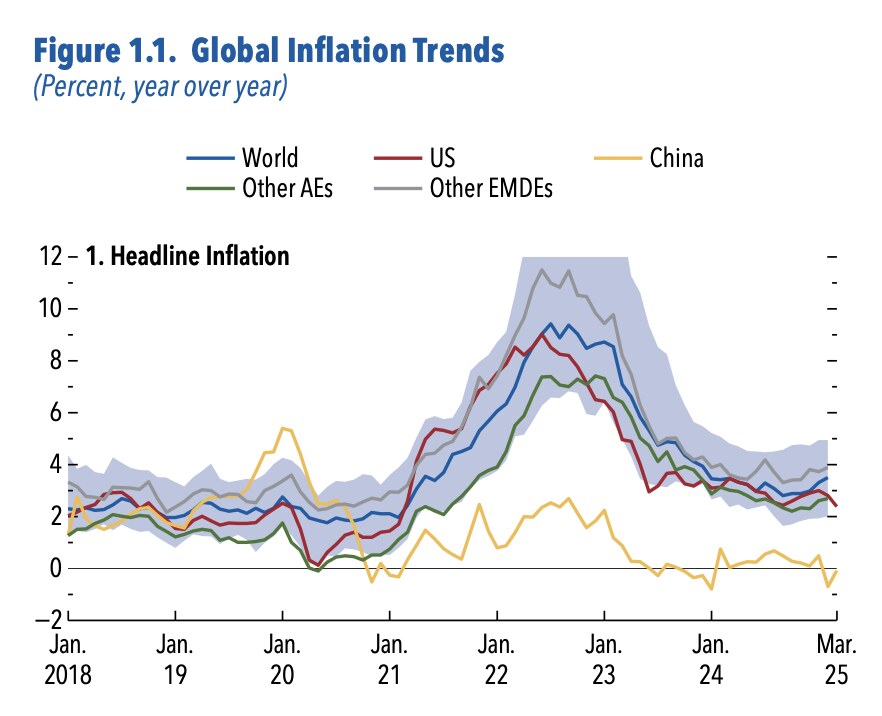
Some analysts, including JPMorgan CEO Jamie Dimon, have warned that AI hype could increase debt and market risk if the technology is implemented without proper regulation. At the same time, AI could mitigate the negative effects of trade wars, inflation, and energy shocks by better managing resources and predicting economic scenarios.
Moreover, many experts predict that the AI bubble may burst. Altman himself acknowledges the existence of a «bubble»: he compares the current hype around AI to the dot-com boom of the 1990s. He is sure that «someone will burn out badly,» but believes that in the long term, AI will bring economic benefits.
IMF Chief Economist Pierre-Olivier Gourinshas warns of the potential for a «dot-com-style» crash: The AI investment boom could be about to correct. But he says a systemic financial crisis is unlikely because much of the investment in AI is not debt-financed, but money from wealthy tech companies.
According to BNP Paribas, if the AI bubble bursts, it could not only affect the stock market, but also «hit» the US economy: a large share of GDP growth in 2025 was allegedly «fueled» by AI investments.
Yet the most likely scenario is a correction, not a complete failure: investments may adjust, some of the overvaluations will decline, but AI technology itself, its infrastructure, and its key players are unlikely to «disappear.» For investors and businesses, this means: be prepared for volatility, consider partial monetization of profits or «hedging,» rather than betting on the complete disappearance of the AI industry.