Хочете будувати кар’єру в Data Science та AI? Vodafone Big Data Lab відкриває новий набір —>
Наталя ХандусенкоHot News
19 December 2024, 10:47
2024-12-19
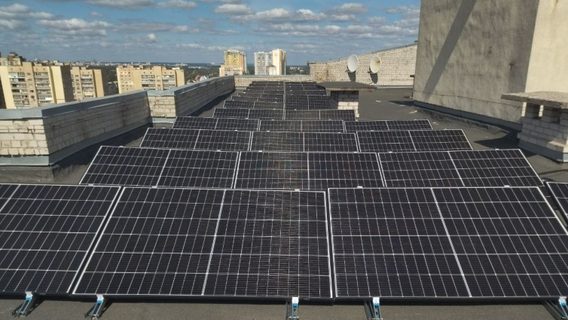
Kyivstar, Vodafone Ukraine, and lifecell are testing solar power plants in certain regions. Will this solution help maintain a stable network for 10 hours?
This year, operators Kyivstar, Vodafone Ukraine, and lifecell launched pilot projects to install solar power plants (SPPs) at their base stations.
Recall that on July 15, the National Center for Operational and Technical Management of Telecommunications Networks (NCT) adopted an order obliging communication operators to ensure the autonomy of mobile communications and the Internet for 10 hours during power outages by February 1, 2025.
Kyivstar
Kyivstar installed solar panels in Odessa and Zhytomyr regions as a pilot project, in which it invested UAH 10 million. The main criteria for selecting regions are remoteness from distribution networks of distribution operators and unstable radio coverage, says Volodymyr Lutchenko, the company’s service representative.
In addition, the operator also analyzes the market and opportunities to feed its own electricity into the grid.
Vodafone Ukraine
Vodafone Ukraine has installed three solar power plants in Poltava and Dnipropetrovsk regions. The company plans to draw final conclusions in the spring of next year, and then decide whether to move further in this direction, says the operator’s CEO Olga Ustinova.
lifecell
lifecell is testing solar panels on towers, the operator’s press service reported.
Installing solar power plants is a solution exclusively for sunny periods of the year: in winter they do not produce enough energy to power base stations. However, under certain weather conditions, solar power plants can extend the battery life of base stations during power outages.
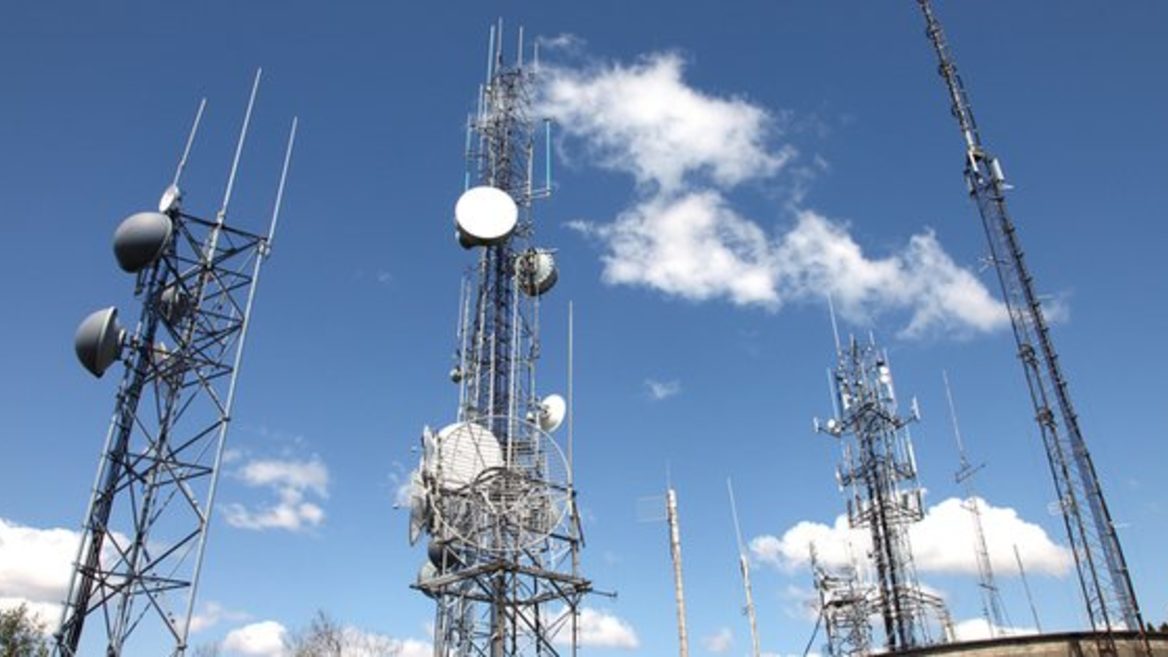
According to Kyivstar’s service center, most of the operator’s base stations in cities are located on the roofs of buildings, where there is limited space for installing panels. In addition, the panels require a lot of resources for their placement on site and maintenance.
Then why do operators need it?
Operators are testing real savings to understand whether it makes sense to expand geography. For example, Kyivstar says that savings are minimal so far.
Another motivation for operators to go to SES is the implementation of 5G. This requires additional power, but getting it from the network can be problematic, says Serhiy Shakalov, CEO of KNESS. «Operators should think about how to get it from another source,» he adds.
There wasn’t enough time — mobile operators won’t have time to meet the National Center for Communication’s requirement of 10 hours of autonomous communication. What’s next?
Kyivstar, Vodafone and lifecell made a joint statement on strengthening the energy resilience of networks. Here are 6 factors from the operators that explain why it is extremely difficult to do so