Хочете будувати кар’єру в Data Science та AI? Vodafone Big Data Lab відкриває новий набір —>
Наталя ХандусенкоSpaceTech
10 July 2026, 14:53
2026-07-10
China lands reusable rocket for first time, posing new challenge to Elon Musk's SpaceX
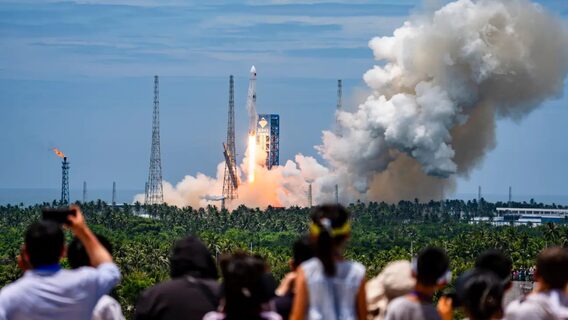
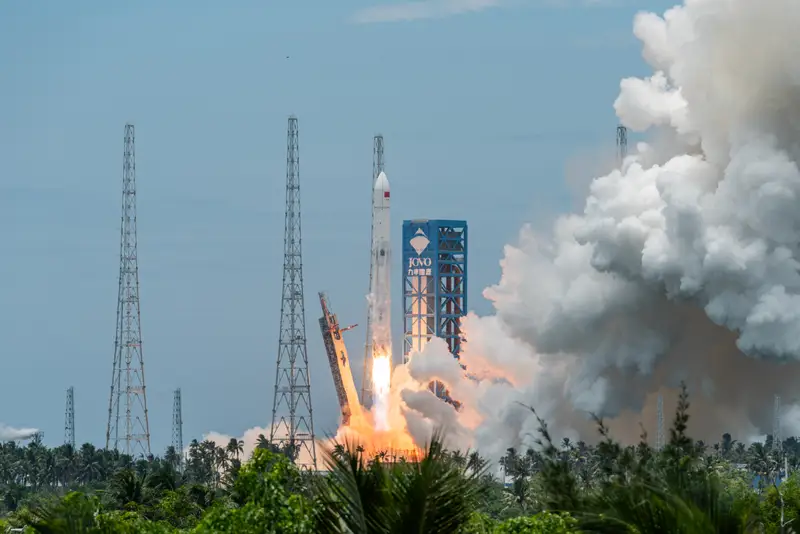
Today, July 10, China launched and successfully landed the first stage of its reusable orbital rocket, the Long March-10B, for the first time in history. With this success, the rocket's developer, China Aerospace Science and Technology Corporation (CASC), joined Elon Musk's SpaceX and Jeff Bezos' Blue Origin as the only three organizations in the world to successfully return and land a rocket booster.
Today, July 10, China launched and successfully landed the first stage of its reusable orbital rocket, the Long March-10B, for the first time in history. With this success, the rocket's developer, China Aerospace Science and Technology Corporation (CASC), joined Elon Musk's SpaceX and Jeff Bezos' Blue Origin as the only three organizations in the world to successfully return and land a rocket booster.
According to local media reports, the first stage of the Long March rocket landed on a barge about six minutes after launch and was caught in a large net — reportedly the world's first rocket return using a net, Business Insider reports .
长征十号乙运软都形成动最好一子级可控国际,是全电影的运载都车网系系统 BREAKING|WORLD‑FIRST ACHIEVEMENT! #China 's Long March 10B carrier #rocket lifted off from the Hainan commercial space launch site at 12:15 pm on Jul. 10. Approximately six minutes after the separation of the… pic.twitter.com/J3mZGuD9Lk
— Beijing Evening News (@BeijingEvening) July 10, 2026
Landing the first stage (instead of burning it up in the atmosphere) is a major step toward creating reusable rockets that will significantly reduce the cost of space missions. SpaceX first landed its booster in 2015 and has successfully returned the Falcon 9 hundreds of times since then.
In 2024, Elon Musk's company shocked the world when it caught the giant 120-meter Starship rocket booster with the giant "sticks" of the Mechazilla tower.
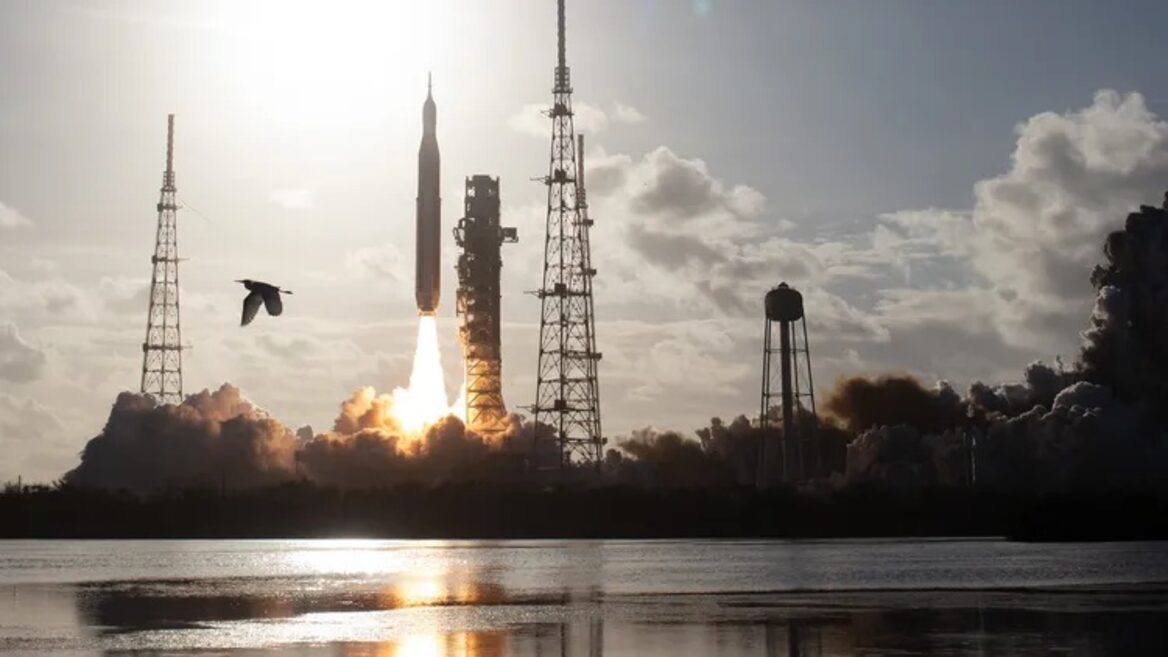
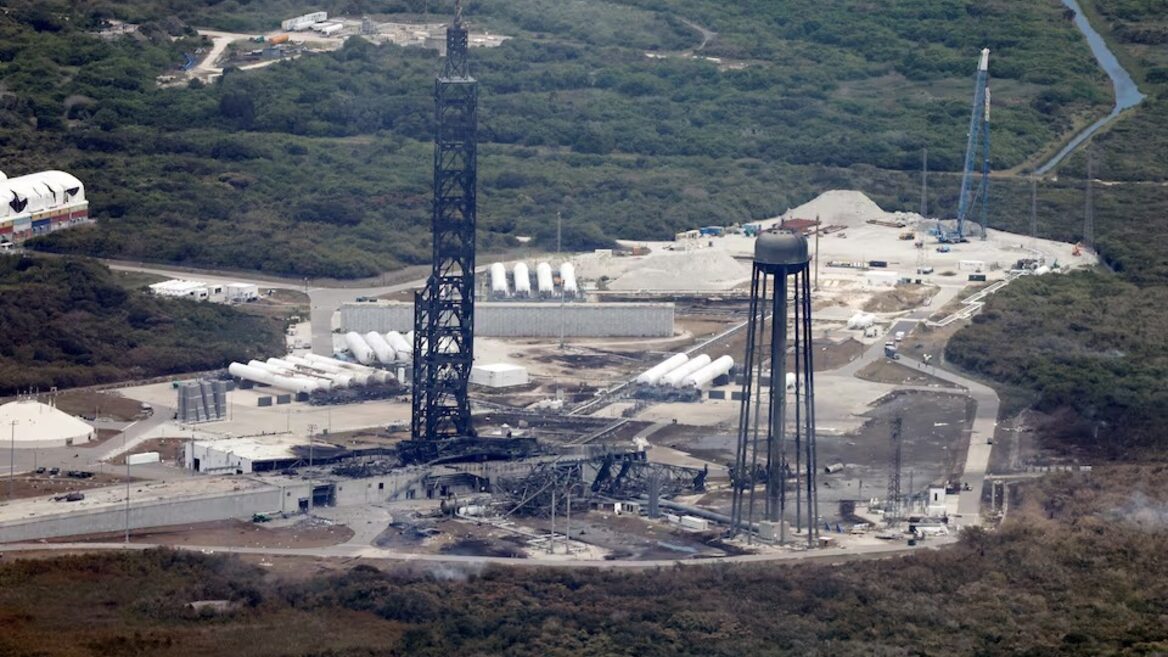
Jeff Bezos' Blue Origin caught up with its competitors last November by landing the first stage of its New Glenn rocket on a platform in the Atlantic. However, the company then suffered setbacks - in May, the New Glenn exploded at the launch pad.
The booster landing is a significant step towards realizing China's ambitions to catch up with SpaceX, a company that puts significantly more cargo into orbit than any other country or company in the world.
China is far from SpaceX: its reusable Long March rocket is inferior to the Falcon 9 in terms of payload capacity. The country is also trying to create a competitor to SpaceX's Starlink satellite internet service. Starting in 2024, the state-owned SpaceSail company has launched about 200 satellites into orbit.
However, this is significantly less than Starlink, which has about 10,000 satellites in low Earth orbit. China's Long March rocket also lags behind SpaceX's Falcon 9: its maximum payload is 16 tons compared to the Falcon 9's 25 tons and the planned 100+ tons for Starship.
Despite this, in an October post on X, Musk noted that Chinese reusable rockets are already catching up with SpaceX's main "workhorse", although they are still somewhat behind advanced technologies.
Amazon will significantly fall out of the space race with SpaceX due to the explosion of the New Glenn rocket. What are the consequences of the incident, and why it could make Bezos dependent on Musk