Хочете будувати кар’єру в Data Science та AI? Vodafone Big Data Lab відкриває новий набір —>
Наталя ХандусенкоHot News
13 January 2025, 16:49
2025-01-13
Chinese university developed undersea cable cutting device and filed patent application several years before damage incidents
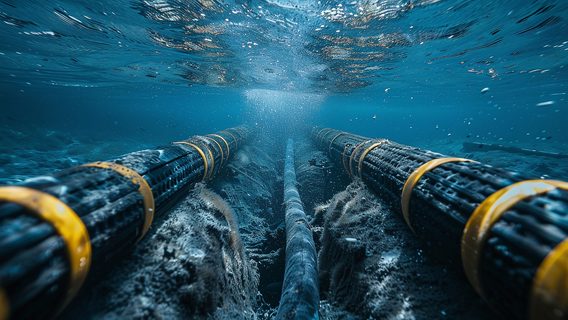
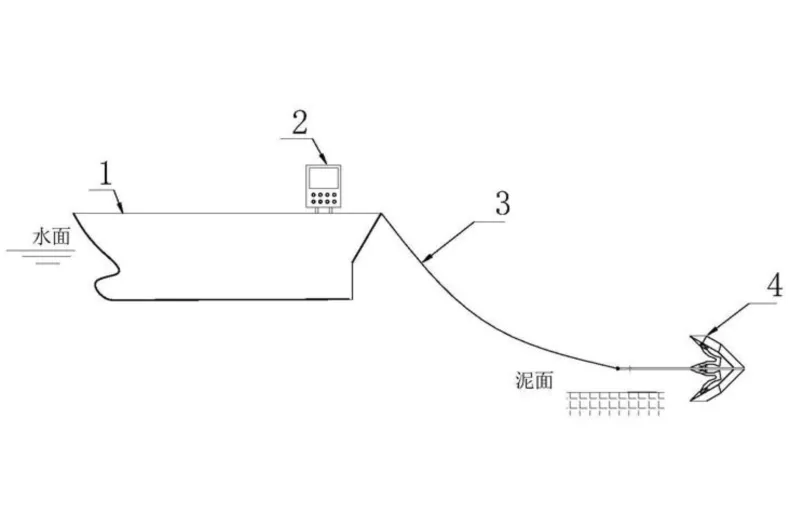
A team of engineers from Lishui University, China, filed a patent application in 2020 for a “tough-type underwater cable cutting device.” What’s more, the university is located in a coastal area across the sea from Taiwan, and the patent states that the device is designed for “emergency situations.”
A team of engineers from Lishui University, China, filed a patent application in 2020 for a “tough-type underwater cable cutting device.” What’s more, the university is located in a coastal area across the sea from Taiwan, and the patent states that the device is designed for “emergency situations.”
According to the documents, the patent application is based on another device developed in the late 2000s by marine engineers from the State Oceanic Administration of China (SOA) in the South China Sea and described as an “oceanic towing cutting device.” However, records show that both applications were either rejected or withdrawn, although no reasons were given for such actions, writes Tom's Hardware.
Source: Newsweek
“ With the development of science and technology, more and more submarine cables and communication cables are laid on the seabed in all parts of the world, and in some emergency situations, the cables need to be cut ,” the authors of the patent application from Lishui University write. “The traditional cutting method requires first detecting the position of the cables, then digging and salvaging them for cutting. This process is complicated, requires a lot of expensive equipment, and the cost is too high. There is a need for a fast, low-cost underwater cable cutting apparatus to accomplish this task.” On the other hand, the justification for the SOA patent application is the need to destroy illegal cables off the coast of China.
The very existence of these patent applications is worrisome, said one Norwegian expert. The tools, he said, are at best haphazard and could damage otherwise useful cables. Benjamin Schmitt of the Kleinman Center for Energy Policy at the University of Pennsylvania also said: “The fact that Chinese engineers have filed several technical patents for such an underwater cable-cutting operation only strengthens the suspicion that Beijing may not only have the motivation but also be actively developing technical options for conducting such underwater military operations in the future.”
The latest cable damage incident, reported in the first week of January, involved the Chinese cargo ship Shunxing39 cutting the Trans-Pacific Express Cable System, which directly connects Taiwan to the US West Coast, Japan, South Korea and China.
Undersea cable breaks caused five times more disruption to traffic between Europe and Asia than researchers previously reported. Key insights from the RETN study
Mysterious damage to cables between countries continues not only at sea, but also on land. Where did the latest incident occur and why is sabotage suspected?