Стас ЮрасовThat's Life
30 April 2025, 17:02
2025-04-30
lifecell invested 2 billion in the energy sustainability of the network. Now most base stations are able to operate autonomously for up to 10 hours. How was this technically achieved? Report
After the energy attacks on Ukraine in 2022, lifecell faced a critical challenge: to ensure communication in moments when there is no energy anywhere. The weakest link turned out to be the power batteries — they were decided to replace them. But not just replace, but build a system that can withstand blackouts, loads and… thieves.
After the energy attacks on Ukraine in 2022, lifecell faced a critical challenge: to ensure communication in moments when there is no energy anywhere. The weakest link turned out to be the power batteries — they were decided to replace them. But not just replace, but build a system that can withstand blackouts, loads and… thieves.
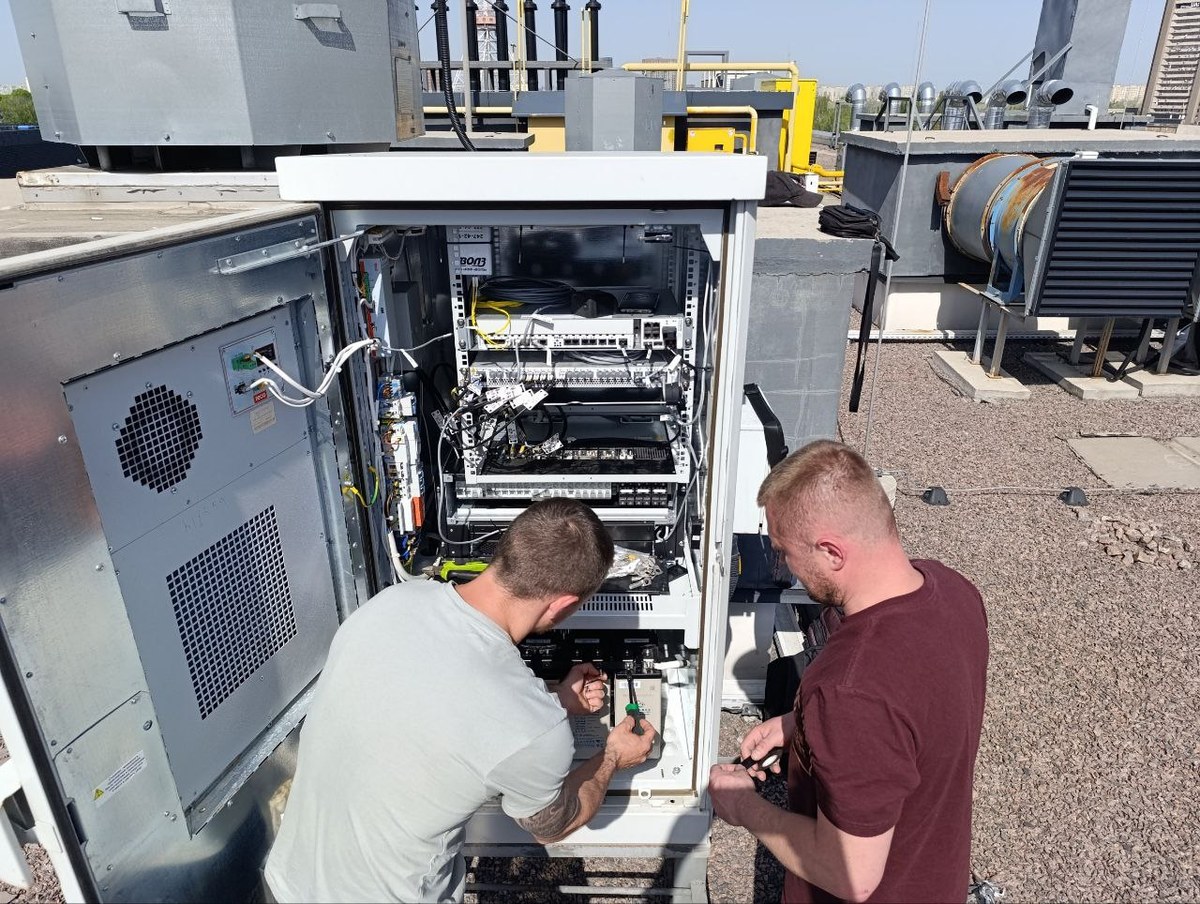
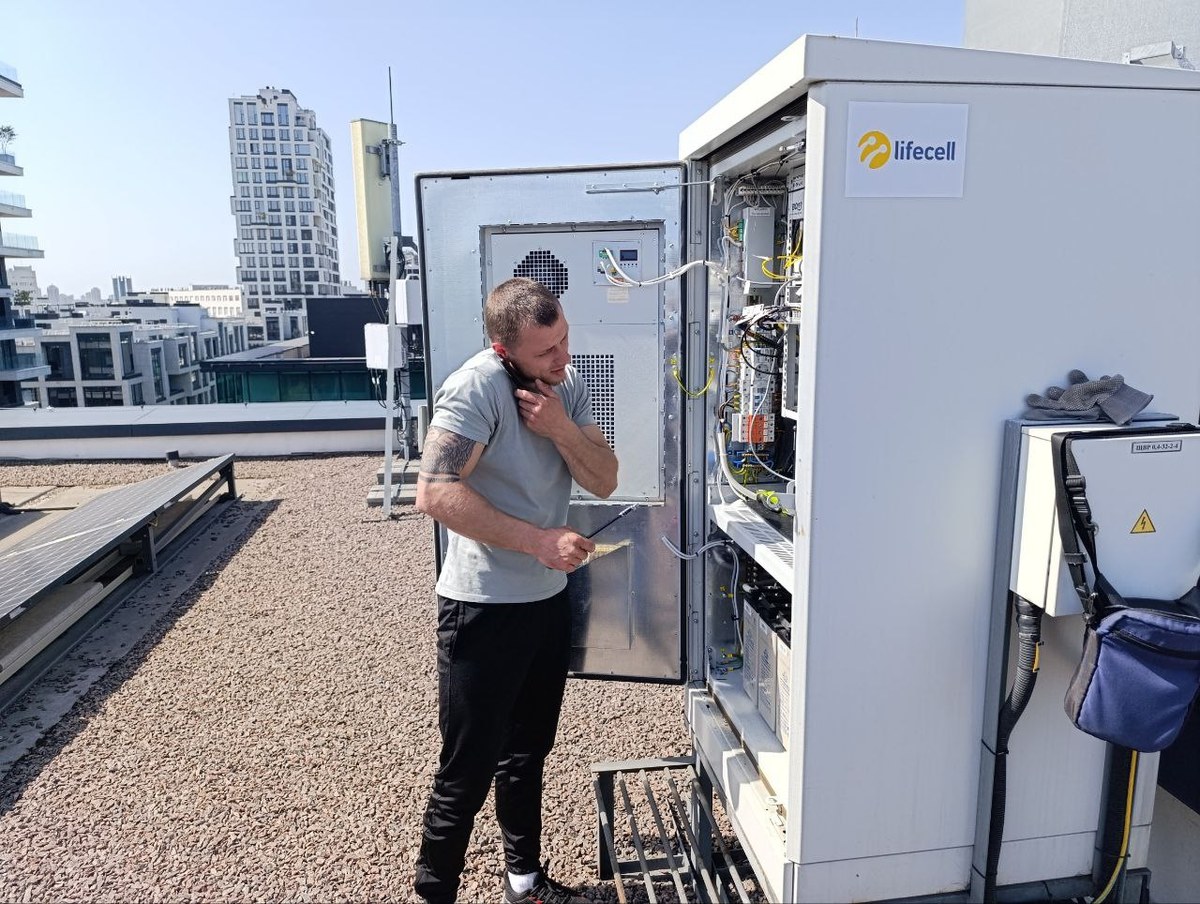
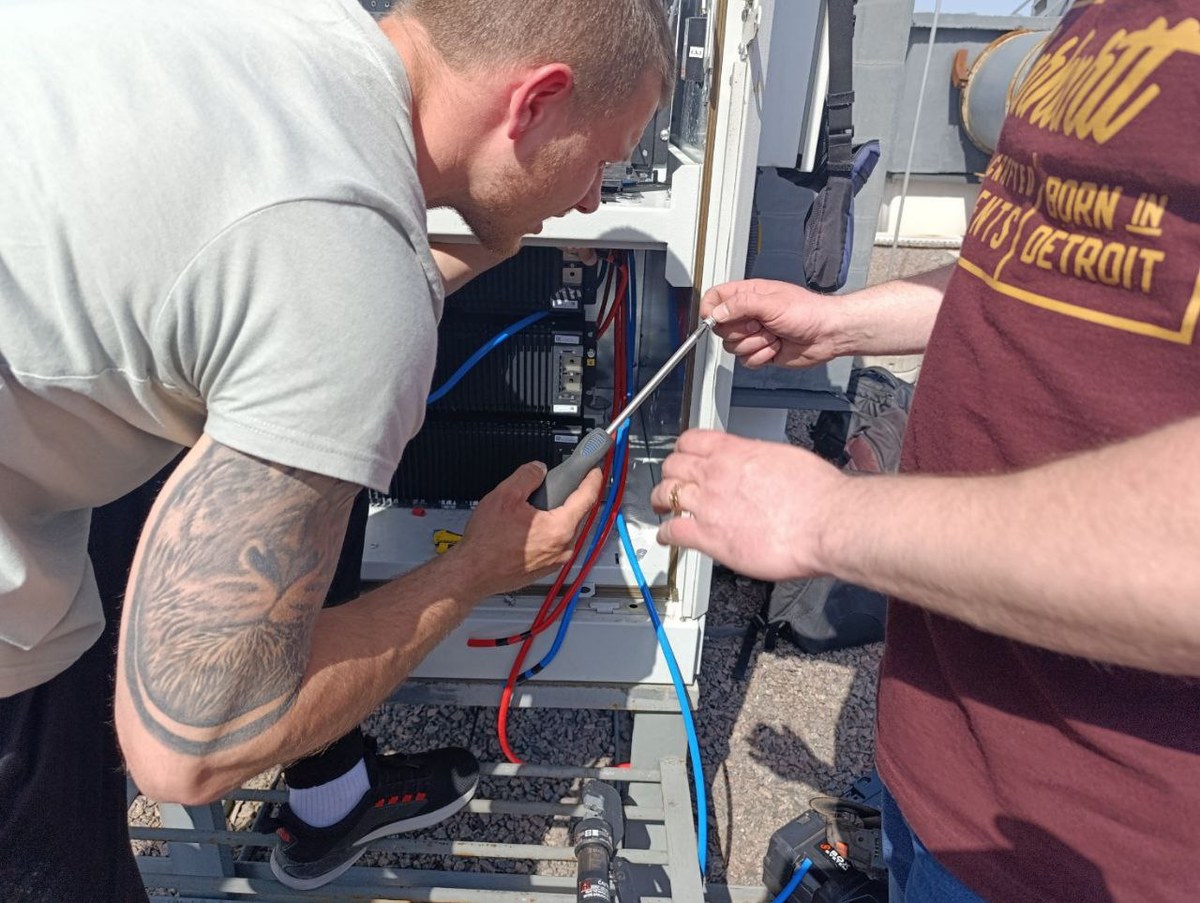
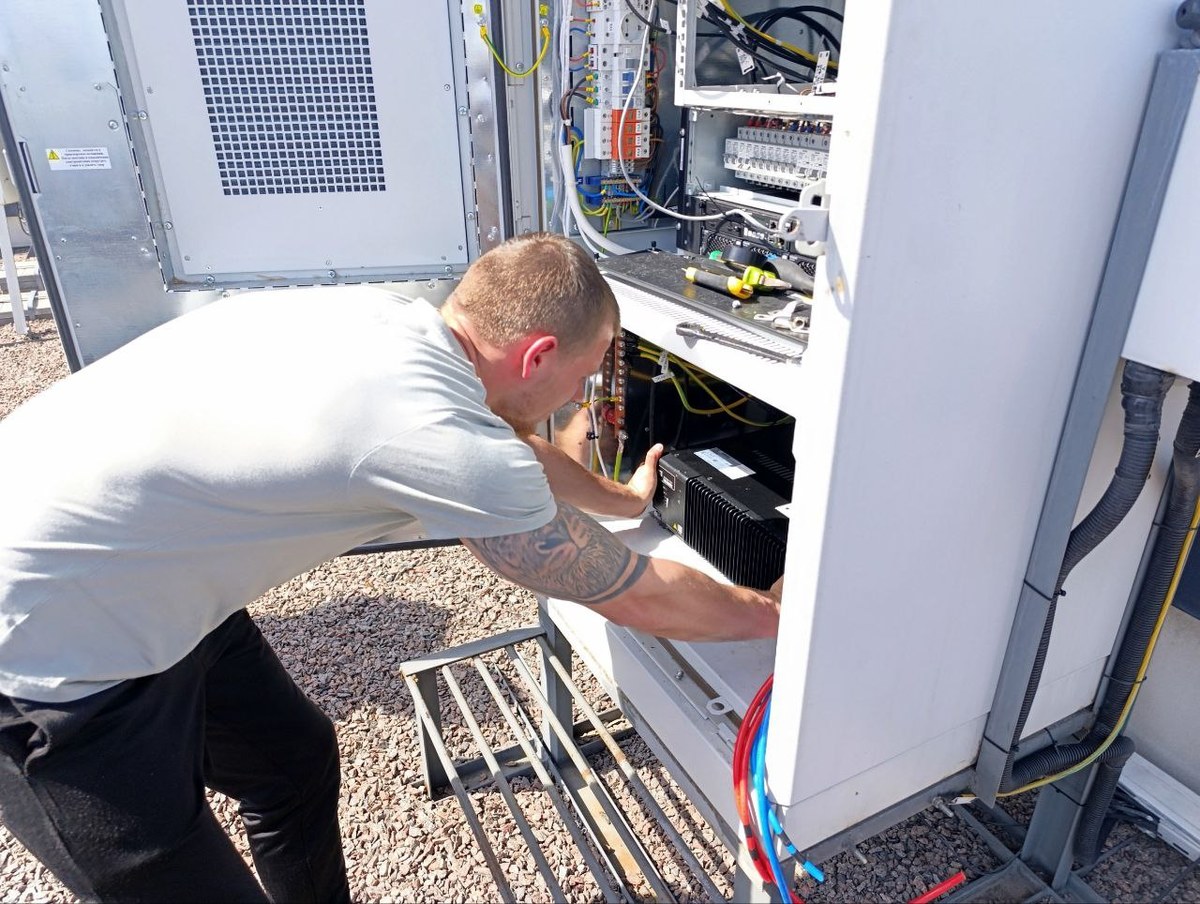
A dev.ua journalist visited one of lifecell’s technical sites in Kyiv and saw with his own eyes how new batteries are installed on base stations.
What was wrong with the old batteries?
Before the full-scale war, the lifecell network operated in peacetime: there were almost no power outages, and classic lead-acid batteries were doing quite well. But when the system blackouts began, the situation changed dramatically.
«Gel batteries have a lifespan of 500–700 cycles. And when the electricity disappears several times a day — in a month, the new set is simply driven into zero. After that, the battery „dies“ and the station goes down,» explains Yevhen Selivra, head of the lifecell radio network department.
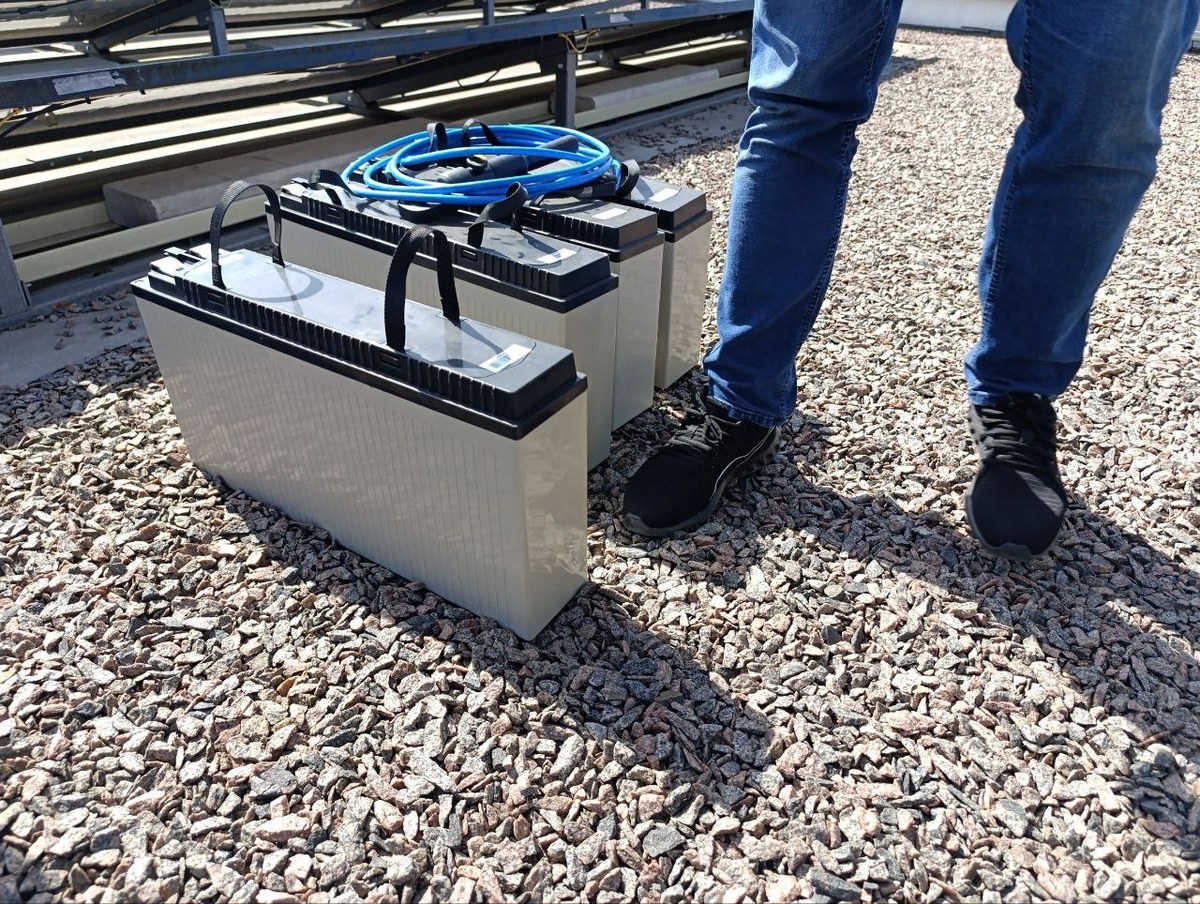
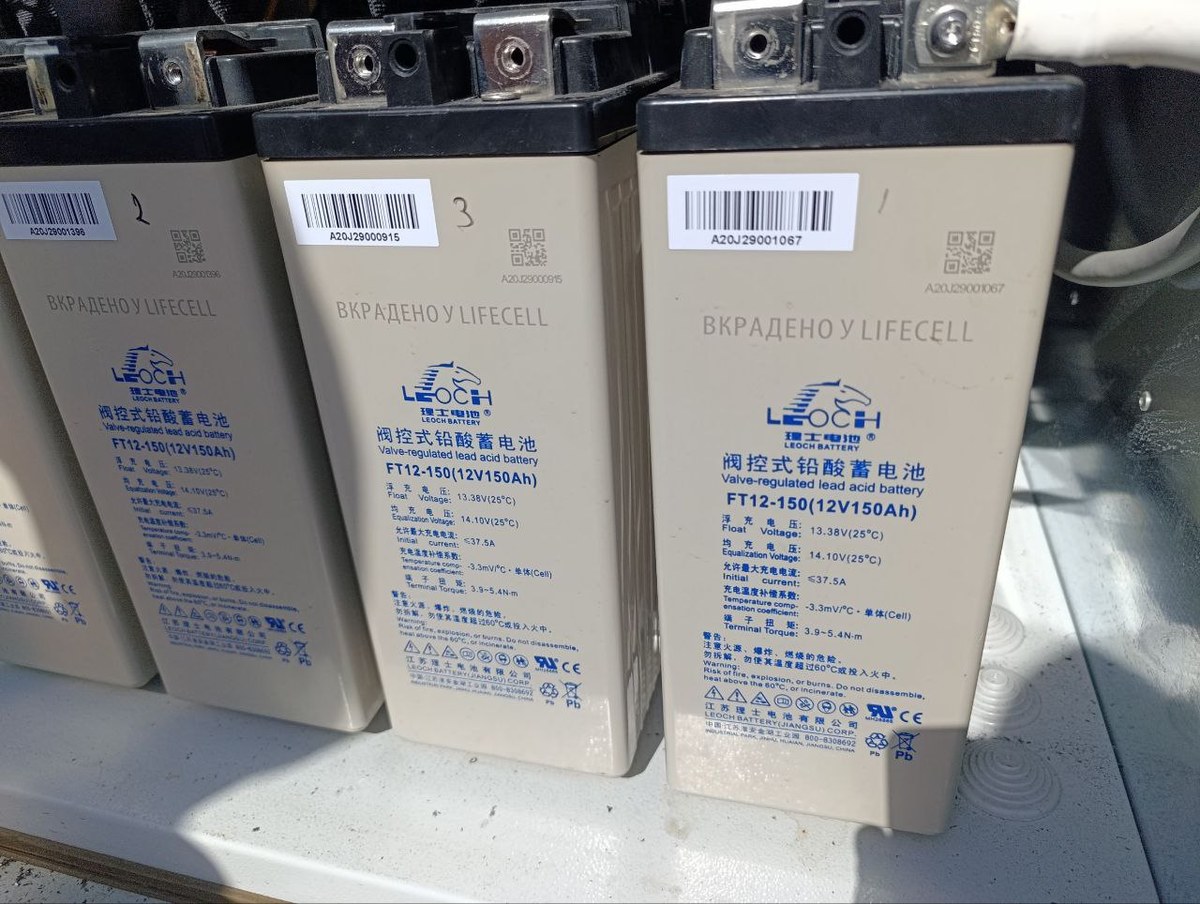
This is what old lead-acid batteries look like
In addition, these batteries charged very slowly: it took up to 10 hours, which is unacceptable in conditions of unstable power supply. Often the light disappeared again before the battery had time to charge.
«With repeated outages, the base station could not even withstand the start of work. That is, after the first outage, it could last, for example, 2 hours, the second outage — an hour, the third — 30 minutes, and so on,» emphasizes Selivra.
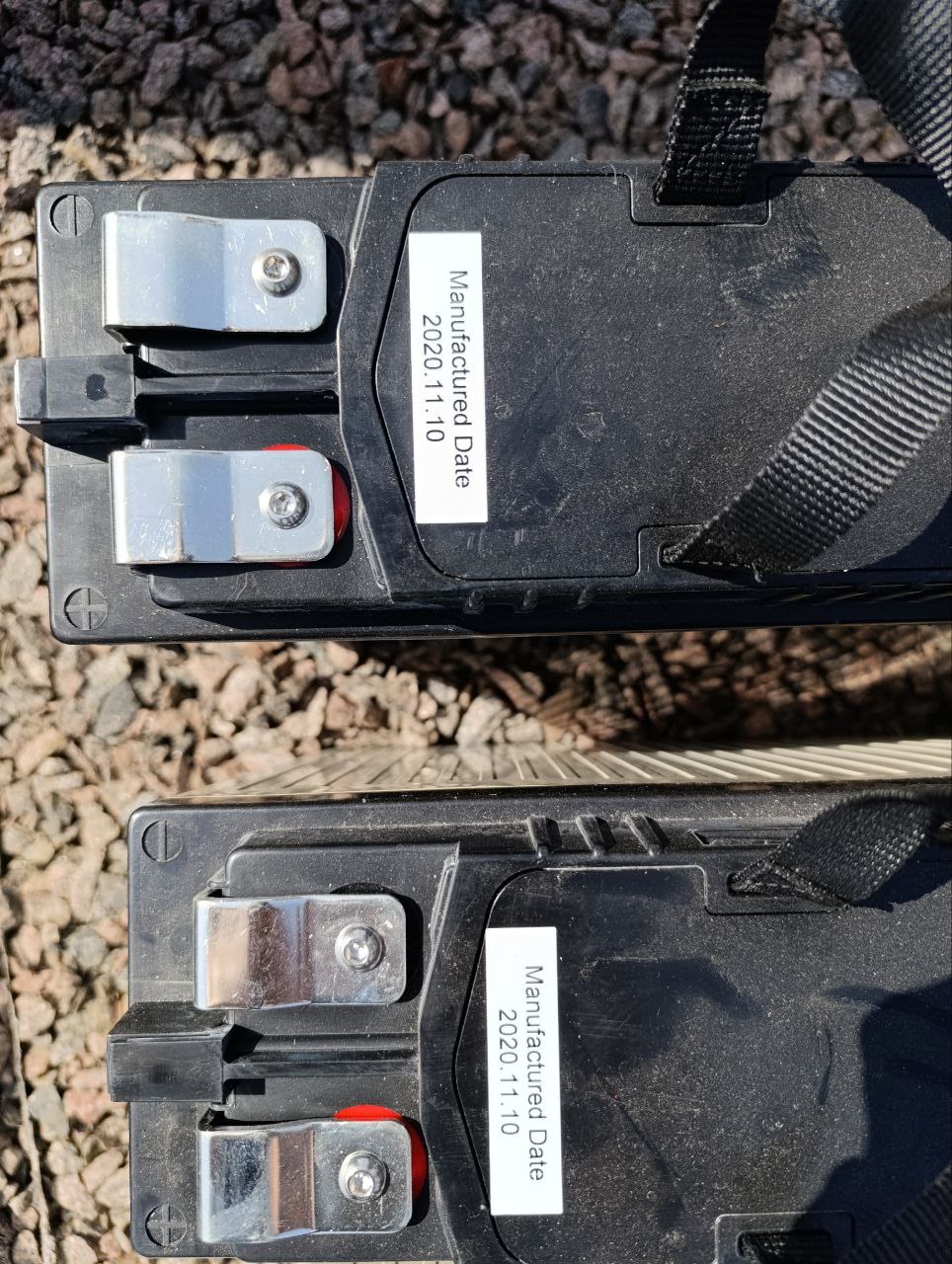
These batteries were manufactured at the end of 2020, but their time has already come
As the manager adds, this led to system problems, a «snowball» when subscribers reconnected from station to station as they faded. In the end, the entire network in a certain area could go down very quickly. The network would «burn out» especially quickly in this way in residential areas, where there is traditionally a huge concentration of subscribers.
Lifecell engineers installed one or more groups of gel batteries on one base station, depending on its load. The cost of equipping one station was between 40,000 and 200,000 hryvnias.
And money and fragility are not all the problems. Each such battery weighs about 50-60 kg. To tighten, for example, 4 of these onto the roof of a 20-type roof is not an easy task.
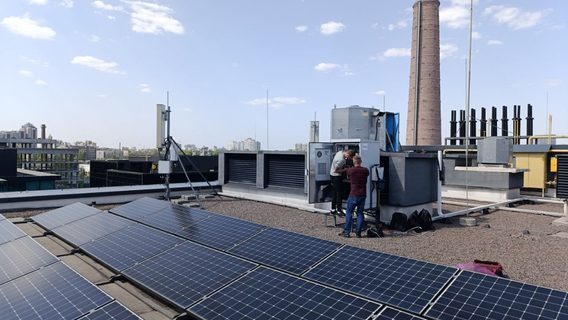
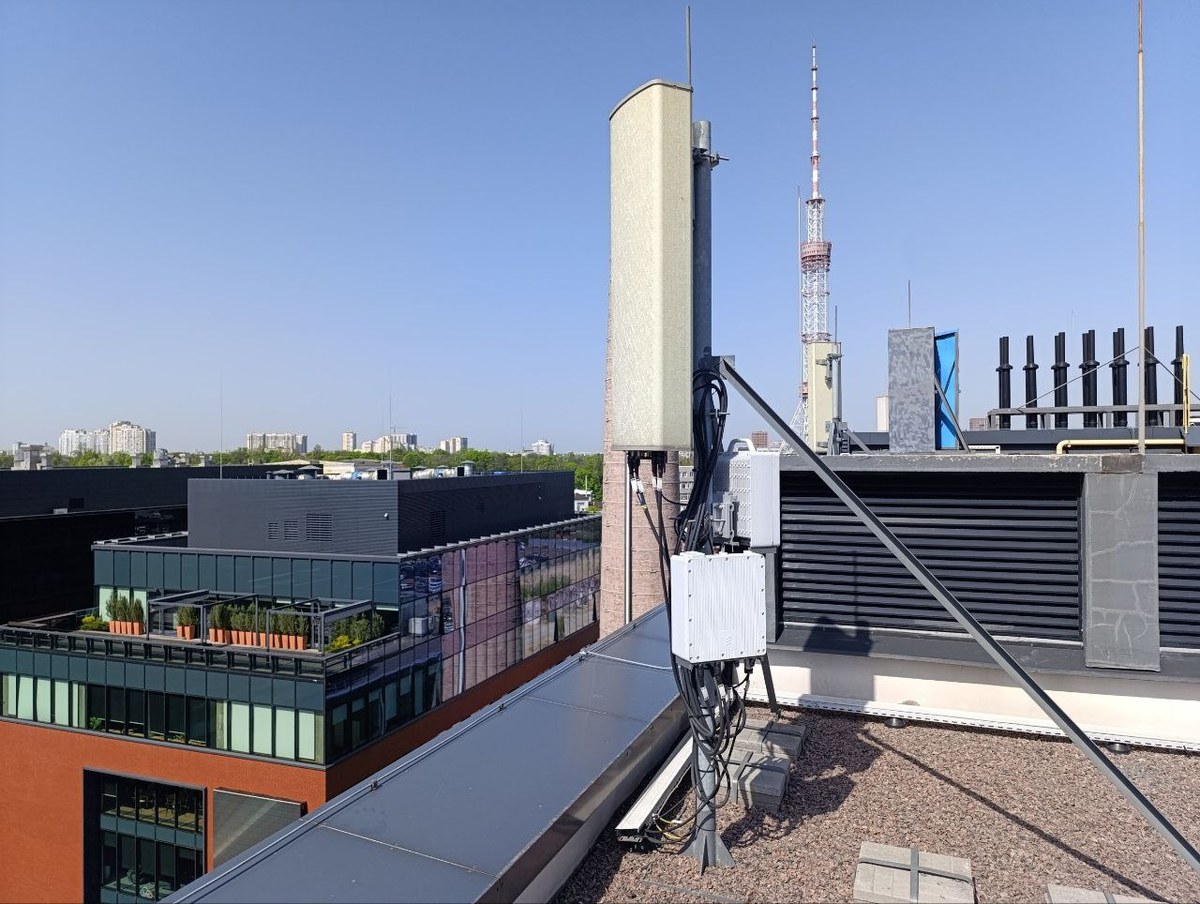
Although it is certainly beautiful on the rooftops of Kyiv
Switching to «lithium» — how the problem was solved
Lifecell engineers tested several types of batteries and settled on LiFePO₄ — lithium iron phosphate. They are significantly more expensive than gel batteries, but they can withstand over 5,000 cycles, can be charged in less than an hour, weigh less, and most importantly — provide much greater autonomy.
«We are installing one such battery instead of four gel batteries. And several such new batteries support up to 10 hours of base station operation. And in conditions of intensive load, this is critical,» explains Vitaliy Vistunov, head of the radio network energy sustainability department.
90% of lifecell network base stations, determined by the order of the National Center for Communication, are ready to operate for up to 10 hours.
Even during peak hours, when neighboring stations are turned off and traffic is concentrated at one point, the new batteries last.
«In some areas of Kyiv, batteries lasted no more than 2 hours. And the new ones already work up to 10. This is a fundamentally different level,» adds Selivra.
Smart gadgets
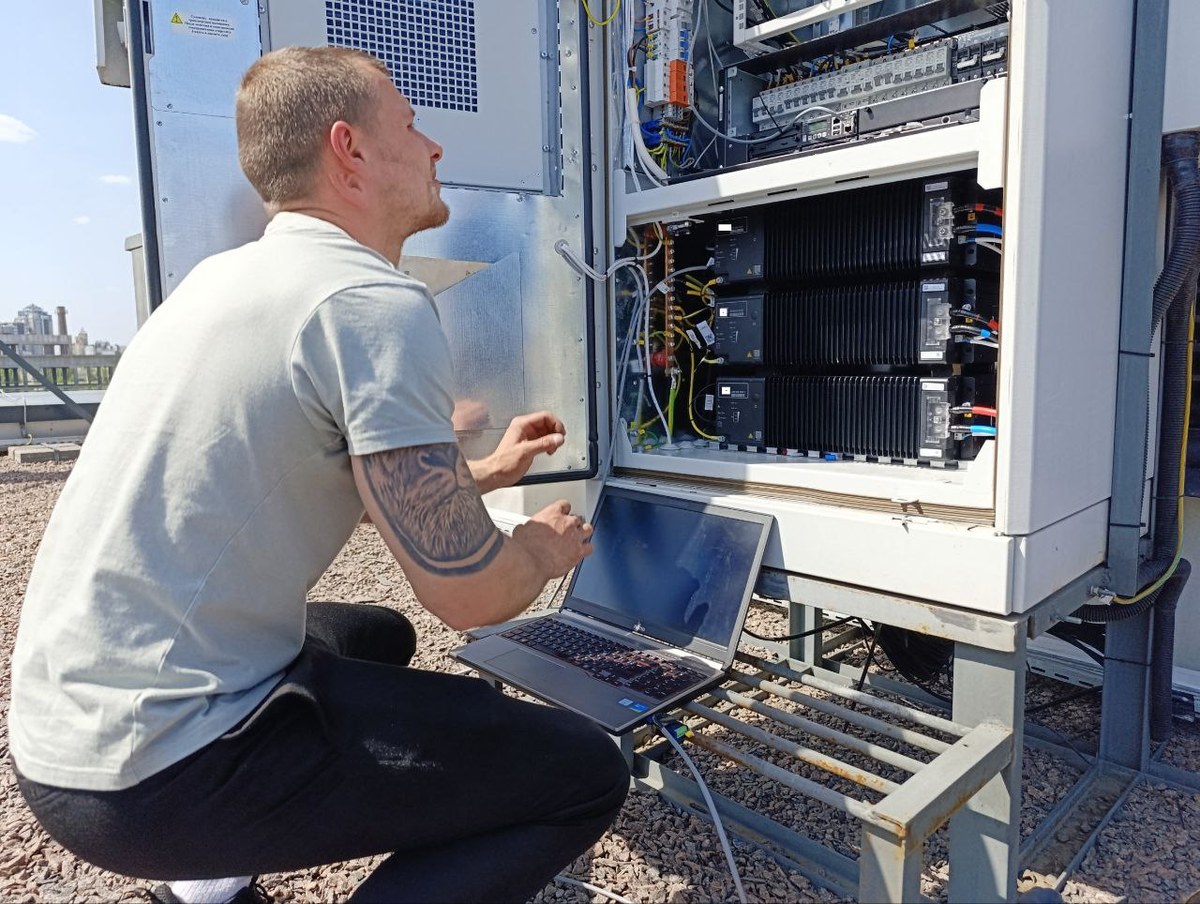
The new batteries are now smart devices, not just batteries with terminals. This allows you to monitor their status remotely on a computer monitor in real time. Therefore, engineers will always be able to see, for example, during long outages, which objects are still able to hold a charge due to low load, and which ones require a crew to go to the site with a generator to recharge.
Recharging new batteries is much faster: this process can take one hour under favorable conditions. One battery is rated for 100 ampere-hours, and it can be charged with a maximum current of 100 amperes.
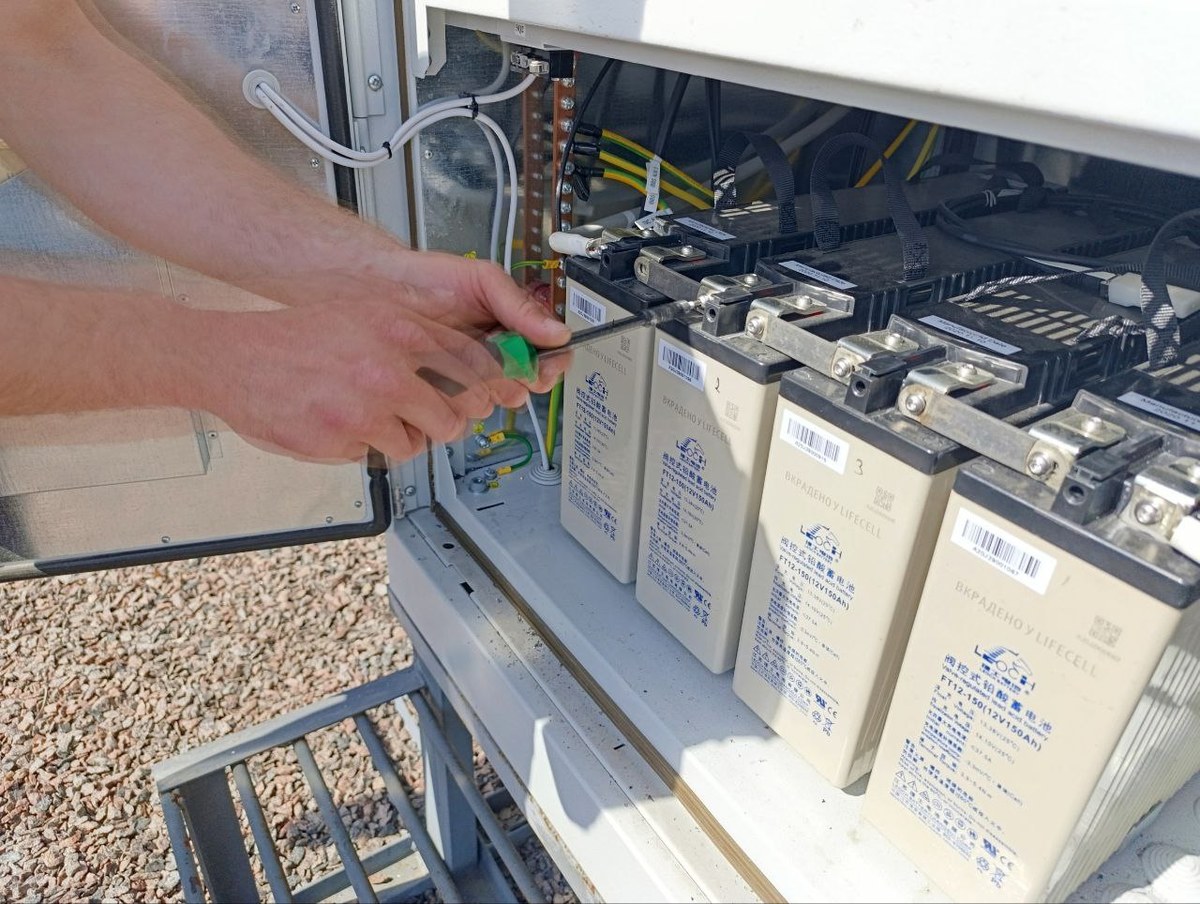
New batteries are already in place. You can further configure them using a PC
Fast charging and long operating time allow batteries to be charged, for example, at night when the load on the power system is lower. And then this charge can be used during the day.
Because the battery is now a smart gadget, it has the ability to heat itself independently during frosts, which also has a positive effect on the efficiency of their work.
«If it’s cold and the battery sees that its temperature has dropped below 10 degrees, the heating is turned on. They charge even when cold, but with a weak current,» emphasizes Vistunov.
Investments are billions, logistics are complicated
lifecell has already purchased 48 thousand new batteries (48V 100 ampere-hour). This allowed to modernize most of the base stations. In Kyiv, only a few dozen points remain, which are to be equipped in the near future. The total amount of investment in the project is 2 billion UAH. Of these, 1.5 billion has already been spent, another half a billion is in the process.
«There are already many regions in Ukraine where we have fulfilled the NCU’s orders 100% within the relevant region. Kyiv is a large city, so there are still sites here that we are upgrading. Somewhere we are waiting for access, somewhere we are waiting for approval to go to the site,» explains the lifecell manager.
But modernization is not just about «installing a battery.» In dense urban areas, you have to install additional cabinets, coordinate projects with building owners, and install everything so as not to interfere with people’s lives. And the delivery time for equipment is 4–5 months, which of course also extends the implementation.
Combating theft
In 2022–2023, some batteries were simply stolen. On old batteries, we can even see the inscription: «Stolen from lifecell.» It is made to make it more difficult to resell such «goods» on the black market. Although, as Selivra adds, vandals were usually quickly found by law enforcement agencies, because they had a habit of returning to the place of theft.
«Let’s just say, I don’t know of any cases where the vandals weren’t caught in the end. After the second or third time, it becomes clear what algorithm they use. They start stealing neighboring batteries, or they give them away. People see that they’re dragging something,» says Yevhen Selivra.
To prevent further theft, lifecell has equipped each new battery with a GPS tracker, controller, and protection. If someone tries to remove the battery without an authorized connection, it will not work. The cabinet detects the break-in, the alarm is triggered, and the police are dispatched to the scene.
«All equipment is completely online: we see every battery, every site, and even the temperature in the cabinet. If something is wrong, there is an instant reaction,» explains Vitaliy Vistunov.
Let’s summarize.
Lifecell has over 10,000 technology sites across the country — they are where mobile base stations are located. Ensuring their uninterrupted operation — even without access to power grids — became one of the company’s main tasks during the war. After all, communication is important for both the military and civilians.
To meet the requirements of the National Center for the Stability of Mobile Networks, the operator has launched a large-scale modernization program since the beginning of the mass blackouts. 48,000 lithium batteries have been purchased for base stations. And 37,000 have already been installed.
Result: the reserve of autonomous power supply of the network in 2025 will be 199 times higher compared to 2022. Investments in energy independence are already approaching UAH 2 billion.
In 9 regions, battery modernization has already been completed by 100%, in most others, determined by the order of the National Center for Nuclear Power Plants, autonomous operation of up to 10 hours is available for 90% of base stations, as required by the state.
«Це час, щоб стояти за країну. Навіть не думайте про свою зарплатню». Інтерв'ю з CEO lifecell Ісметом Язиджи
CEO мобільного оператора lifecell Ісмет Язиджи — з Північного Кіпру. Але за п’ять років життя в Україні він так звик до місця, що асоціює цю країну зі своїм другим домом. Ісмет обожнює Київ. І минулого тижня сюди повернувся. Він був вражений від того, що тут побачив.